
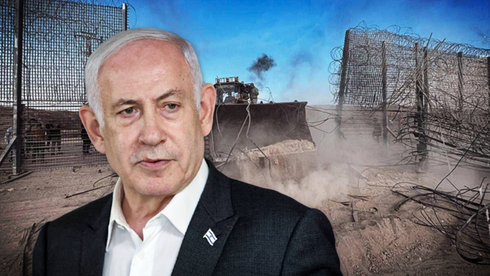
In recent days, a significant controversy has erupted regarding alleged foreign interference in Israeli elections. The Likud party has publicly accused Mohammed Dahlan, a Palestinian politician based in the UAE, of being behind a report from Haaretz news outlet, which they claim aims to disrupt the electoral process.
Allegations Against Mohammed Dahlan
Likud has not provided solid evidence to substantiate its claim that Dahlan was involved in either the Haaretz report or its dissemination. The party contends that Dahlan seeks to destabilize Prime Minister Netanyahu’s government as part of a broader strategy to reclaim control over the Gaza Strip. They suggest that Dahlan envisions a future Israeli administration that would facilitate this political maneuvering through a potential withdrawal from the territory.
Targeting the Journalists and Further Accusations
In addition to Dahlan, the Likud party has directed its ire towards journalist Shlomi Eldar, who co-authored the controversial report with Ruth Yuval. Likud accused Eldar of receiving compensation from a left-leaning nonprofit linked to Yair Golan’s Democrats party, implying that this financial relationship taints the integrity of their reporting. However, no convincing evidence has been presented to support these allegations of bias or misconduct associated with the Haaretz publication.
The party has also raised questions about recent visits by Golan and former Shin Bet chief Ronen Bar to the United Arab Emirates, inquiring if these trips were tied to the timing of the report. Yet again, no conclusive evidence has emerged to substantiate this speculation. The lack of solid proof has led analysts to question the motivations behind Likud’s fervent accusations.
Call for Investigations
Likud is demanding a criminal probe into Eldar, Yuval, Haaretz, and the Democrats party, asserting that their actions align with foreign influences aimed at undermining the electoral process. The party sees these developments as suspicious, given the timing and alleged ties to outside actors, yet the lack of verified information casts doubt on their claims.
This controversy intensified shortly after Netanyahu announced plans to take legal action against Haaretz and Eldar concerning the report. The Prime Minister categorically denied receiving any warning from UAE President Mohammed bin Zayed regarding a planned attack by Hamas in Gaza. Netanyahu emphasized that his inquiry into call logs and visitor records from the Prime Minister’s Office revealed no substantiation of such discussions, labeling the claims as “malicious fabrications” with evident political motives.
Haaretz’s Response and the Intelligence Perspective
In the wake of these accusations, Haaretz has reaffirmed its commitment to its reporting. Meanwhile, a senior intelligence official has indicated that the UAE did convey a warning, though specifics about how this information was communicated or whether it was relayed directly by President bin Zayed remain unclear. The UAE has opted to neither confirm nor deny the reported interaction, stating that relevant intelligence is shared as necessary.
As this political drama unfolds, the ramifications for Israeli politics could be profound, particularly as election timelines loom. The intertwining of foreign influences, domestic political ambitions, and media integrity will likely keep this story in the spotlight as key players navigate a landscape fraught with suspicion and controversy.