
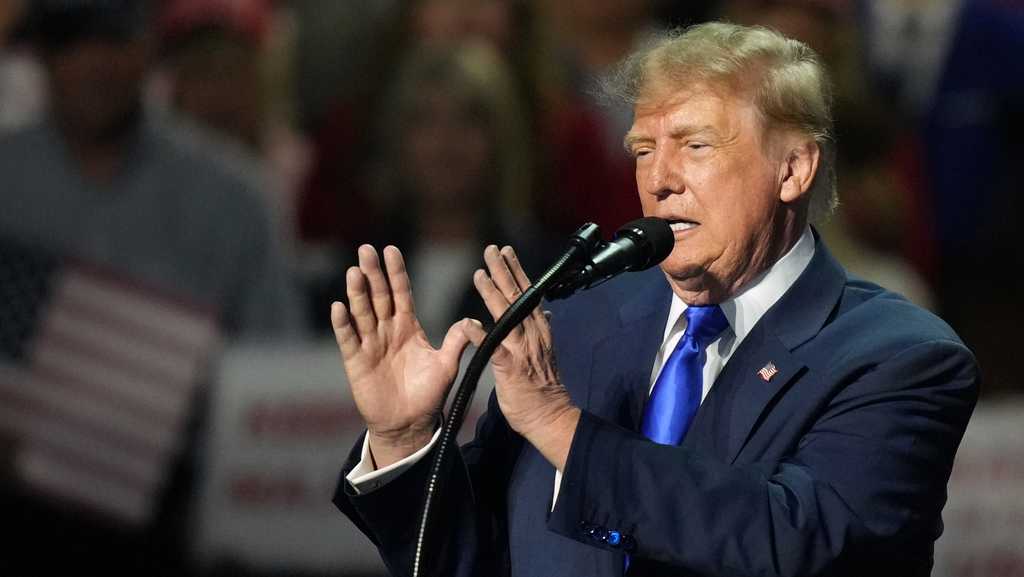
In recent statements, President Trump addressed the escalating oil prices attributed to the conflicts in Iran. He indicated that these prices are unlikely to stabilize before the upcoming U.S. midterm elections. This situation has implications not only for consumers but also for the broader economy and the political landscape.
The Impact of Rising Oil Prices
As oil prices surge, consumers feel the pinch at the gas pump, leading to increased expenses for everyday transportation. Higher fuel costs can lead to inflation, impacting the prices of goods and services across various sectors. Those in lower and middle-income households may be particularly affected, as a larger portion of their budgets goes toward fuel and energy expenditures. Analysts warn that sustained high oil prices could result in an economic slowdown, as consumers may tighten their spending in other areas to accommodate these higher energy costs.
Political Ramifications Leading to the Midterm Elections
The political implications surrounding rising oil prices cannot be overlooked, especially with the midterm elections on the horizon. Voters often express their dissatisfaction based on economic conditions, including fuel prices. President Trump’s comments suggest a concern for how these rising costs may shape voter sentiment and behavior. The party in power may face challenges if citizens perceive that leaders are unable to address rising costs effectively. Republican or Democratic strategies may need to adapt to public perceptions and reactions as these elections draw nearer.
Future Projections on Oil Prices and Supply Chain Issues
Looking ahead, many analysts speculate that oil prices could remain volatile due to ongoing geopolitical tensions. The supply chain has already experienced disruptions from various global events, contributing to a complex energy market. Analysts anticipate that any resolution regarding the situation in Iran could play a significant role in stabilizing oil prices. However, until such solutions are realized, consumers and businesses alike may continue to navigate a challenging financial landscape.
Conclusion: Impacts Beyond the Fuel Tank
In summary, the current surge in oil prices, largely driven by international conflicts, has far-reaching effects beyond just the cost of fuel. As the midterm elections approach, both political leaders and voters will need to consider how these changes can influence economic stability and public sentiment. The interconnectedness of global events and local economies remains a critical aspect of understanding the pressures that arise from rising oil prices, marking this as a significant point of analysis in the weeks ahead.