
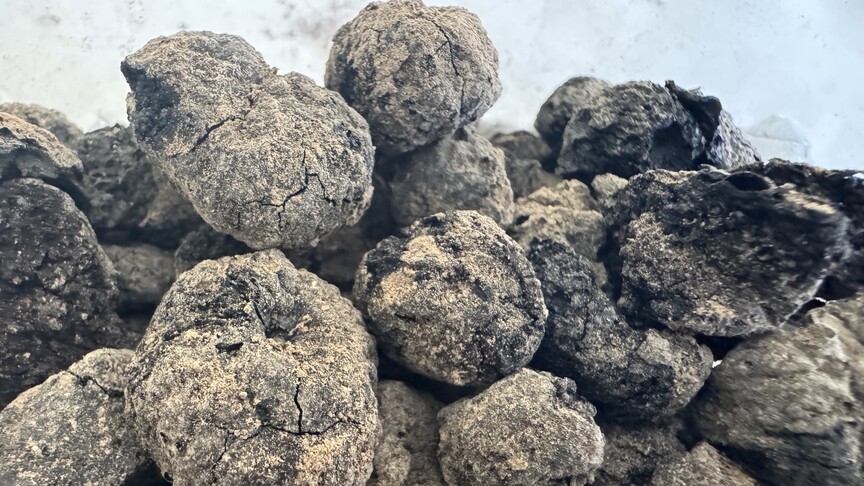
Archaeologists have recently made a remarkable discovery in the northern region of Türkiye, shedding light on the age-old history of the black fig, particularly in the Havran district. The finding reveals that this iconic fruit has been cultivated in the area for approximately 8,000 years, dating back to the Neolithic period.
Archaeological Uncovering at Andik Cave
The traces of ancient black figs were unearthed during excavations at Andik Cave, situated on Kocacal Hill, around 2 kilometers from Havran’s Inonu neighborhood. Carbon-14 dating at Türkiye’s Marmara Research Center determined that these carbonized figs date back to roughly 6300 BC. Leading the excavation efforts is Derya Yalcikli, an esteemed archaeology professor from Canakkale Onsekiz Mart University, who is conducting the work with the support of Türkiye’s Ministry of Culture and Tourism. The project is also backed by the Balikesir Kuvayi Milliye Museum Directorate as well as local municipalities.
Andik Cave itself has a rich history, having been discovered in 1949 by archaeologist Kilic Kokten. The cave descends to a depth of 59 meters and comprises several interconnected galleries. However, accessing this archaeological site poses daily challenges for the research team. Each day, they embark at dawn, traveling via off-road vehicle and later transferring essentials onto a donkey, navigating through rugged terrain to reach the cave.
Inside, the excavation team has unearthed a wealth of artifacts, including ceramic vessels and tools fashioned from stone and bone. One striking aspect of the cave is a painting that illustrates a mountain summit along with a leopard.
Long-Term Use of the Cave
Professor Yalcikli has indicated that the cave was utilized over an extensive timeframe, with its entrance serving not just for storage but also for ritual activities. Usage appears to have commenced in the Early Bronze Age and continued through to the mid-Late Bronze Age, extending up to around 3000 BC. Limited evidence of activity during the Byzantine era has also been discovered, with the earliest signs of human presence traced back to after 6700 BC.
This year’s excavations have revealed exceptionally well-preserved archaeological layers that surpassed initial expectations, unveiling habitation areas and floor surfaces. The findings offer a glimpse into the lives and daily practices of prehistoric communities in Balikesir, particularly those extending toward the Aegean region. Remarkably, the excavation team identified floor arrangements that bear similarities to those found in traditional houses, a notable discovery for both the area and Anatolian archaeology.
Significance of the Fig Remains
Additionally, the excavation has uncovered remnants of food consumed by the cave’s ancient inhabitants, including barley, wheat, and notably, figs. The charred fig remains were discovered in unexpectedly large quantities, underscoring their significance. Havran’s famous geographically indicated fig has been traced back to the Neolithic period, reinforcing its longstanding importance in the region.
These figs appear to have been gathered and stored together, indicating that they were an integral part of the ancient diet. While barley and wheat were also present, the preservation quality and quantity of the figs were particularly striking. The manner in which they were piled and stored reveals the fruit’s status among the food sources of that time.
Havran’s Mayor, Emin Ersoy, has expressed the municipality’s unwavering support for the ongoing excavations, emphasizing the importance of these findings for the local heritage and cultural identity. As this archaeological endeavor continues, it offers an enriching perspective on the longstanding relationship between the people of this region and the black fig that remains a staple today.