
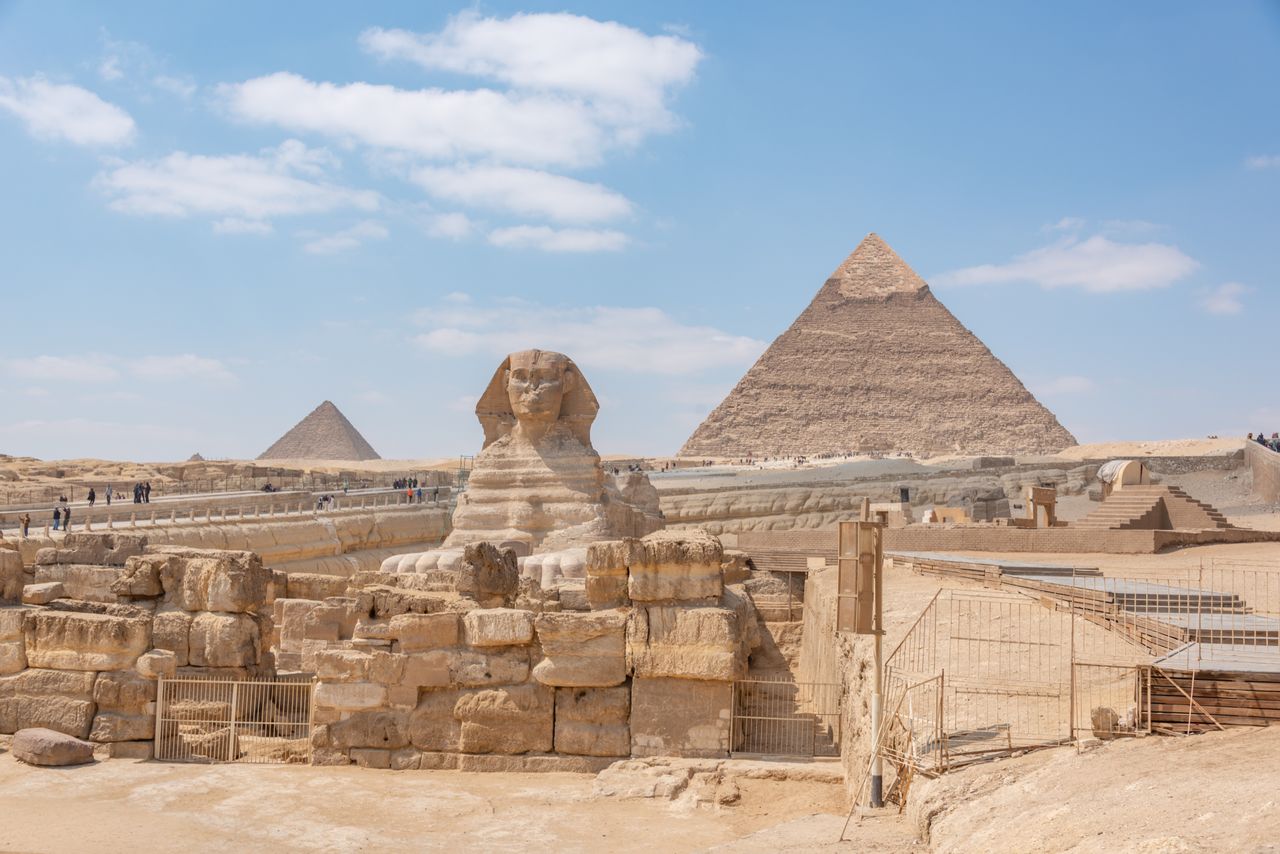
Egypt is stepping into a new era of tourism, where the allure of its ancient monuments goes beyond mere photographs. Today, adventurous travellers are seeking authentic cultural experiences, immersive journeys, and a genuine connection with the country’s living heritage. Although Egypt remains a top destination for history lovers, the way visitors engage with its historical sites and rich culture is evolving significantly.
Exploring Egypt Beyond the Norm
The renewed fascination with Egypt transcends its well-known landmarks. While the nation boasts a treasure trove of archaeological wonders, today’s travellers are yearning for experiences that delve deeper than the surface. Many prefer a meaningful connection to the past, wanting to grasp how ancient Egyptian societies operated, the religious influences on architecture, and the vital role of the Nile River in shaping settlements over millennia.
This growing curiosity has redefined Egypt as not just a place for sightseers, but also as a vibrant cultural destination. In cities like Cairo, a unique blend of historic and contemporary elements awaits; from ancient relics to bustling markets, and modern galleries. Visitors can easily transition from the grandeur of the pyramids to the lively rhythm of urban life, an experience hard to find elsewhere.
The same explorative spirit is evident across other iconic locations. For instance, Luxor serves as both a gateway to magnificent temples and royal tombs, while still being a thriving city. Similarly, Aswan combines its ancient sites with Nubian cultural experiences, and Alexandria offers rich narratives that echo the Greco-Roman era.
The Role of the Grand Egyptian Museum
The Grand Egyptian Museum has emerged as a pivotal cultural hub, greatly impacting the tourism narrative. Nestled near the Giza Plateau, this facility elevates visitors’ understanding of ancient Egyptian life while offering a broader context for each artifact. The museum isn’t merely another stop on an itinerary; it engages guests in a comprehensive exploration of Egypt’s history through art, architecture, customs, and royal legacy.
By intertwining museum offerings with archaeological sites, visitors gain invaluable insight into the historical significance of these treasures. For instance, the Great Pyramid transforms from a mere stone structure into an embodiment of ancient Egyptian engineering, political organization, and religious practice—all crucial aspects that contribute to our understanding of this enduring civilization.
The Centrality of the Nile in Cultural Exploration
The Nile River is an inseparable part of Egypt’s identity and its cultural tourism. Traveling along the Nile allows visitors to soak in a different pace of life compared to the hustle of road tours. The river serves as a connective thread that weaves together diverse experiences—villages, agricultural lands, temples, and communities—all showcasing the essence of Egyptian life.
Cruising the Nile offers an opportunity to reflect and appreciate landscapes that tell stories of ancient settlements entirely dependent on the river for survival, trade, and cultural development. This slower and more contemplative form of travel encourages deeper engagement with the environment and history rather than a superficial checklist of attractions.
A Shift Toward Meaningful Experiences
While the iconic pyramids remain a must-see, modern travellers are seeking layered experiences that go beyond mere admiration. They want to learn about the surrounding necropolis, ancient burial customs, and the technological advancements that made such architectural marvels possible. This trend opens the door to a more engaged exploration of history, transforming the pyramids into a starting point for understanding a complex narrative.
This shift toward in-depth cultural exploration is echoed throughout Egypt’s historical sites. Karnak and the Valley of the Kings are not just impressive locales; they provide rich insights into religious practices, royal history, and ancient beliefs, inviting visitors to fully appreciate the layers of this remarkable civilization.
The future of tourism in Egypt is likely to center on fostering deeper connections between its vast historical assets and the vibrant culture that exists today. By offering experiences that intertwine ancient sites, local traditions, and authentic cuisine, Egypt stands poised to meet the evolving desires of today’s travellers, making the journey not just a sightseeing endeavor but a deeper immersion into a living and breathing history.