
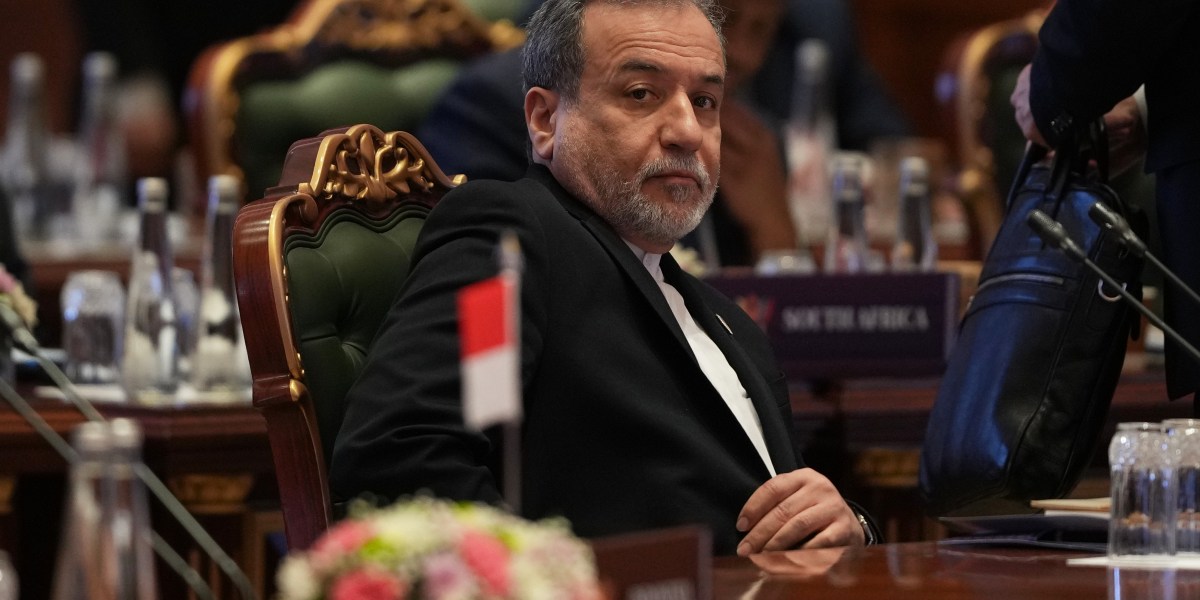
Iran’s foreign minister has emphasized that mistrust is the primary barrier hindering negotiations to resolve the conflict with the United States. His comments come amid escalating tensions and underline Tehran’s willingness to seek diplomatic assistance, especially from China, to help alleviate the situation.
Diplomatic Engagement and Concerns
In a recent press briefing, Iranian Foreign Minister Abbas Araghchi expressed skepticism regarding the United States’ intentions, citing mixed signals that have raised doubts about the sincerity of negotiations. He indicated that talks could progress if the U.S. opts for a “fair and balanced deal.” U.S. President Donald Trump recently dismissed Iran’s latest proposal, labeling it as “garbage.” While Iran mentioned potential concessions on its nuclear program, Trump’s insistence on eliminating enriched uranium from the country complicates the dialogue. Iran maintains that its nuclear ambitions are solely for peaceful purposes, further complicating an already tenuous relationship.
Israeli-Lebanese Ceasefire Discussions
While negotiations between the U.S. and Iran have stalled, a separate set of talks between Israel and Lebanon has yielded a temporary agreement extending their ceasefire through early June. This development highlights a different dynamic in the region, where U.S. officials are attempting to facilitate discussions aimed at a broader peace agreement. Nevertheless, Israel and Hezbollah have continued to exchange strikes despite the ceasefire, raising concerns about the stability of the hold. Recent incidents resulted in casualties, further escalating tensions within the area.
The Role of China in Diplomatic Efforts
Araghchi also indicated that Iran is open to the possibility of diplomatic support from other countries, particularly emphasizing China’s previous role in improving ties between Iran and Saudi Arabia. However, Beijing has exhibited limited public interest in increasing its involvement, despite Trump’s claims that Xi Jinping had offered assistance during their recent conversations. Meanwhile, Pakistan announced its continued diplomatic efforts to reduce regional tensions but refrained from disclosing specific discussions or U.S. responses.
Nuclear Negotiations and Regional Stability
The topic of Iran’s uranium enrichment remains a significant sticking point in negotiations with the U.S. Trump demands a substantial reduction in these activities, while Iran insists on its right to enhance uranium. Israeli Prime Minister Benjamin Netanyahu echoes this sentiment, calling for the removal of Iran’s enriched uranium. Despite previous offers from Russia to facilitate the disposal of the stockpile, Araghchi stated that this option is not currently in active discussions but could be reexamined if necessary.
Overall, as tensions persist in the Middle East, the geopolitical landscape remains fragile. The Iranian blockade of the Strait of Hormuz adds another layer of complexity, with the U.S. imposing restrictions on Iranian ports. The ongoing negotiations, albeit challenging, are crucial for both regional stability and the global energy market, which has already been adversely affected by the conflict. With various stakeholders involved and the clock ticking on diplomatic efforts, the resolution of these issues is critical for future peace in the region.