
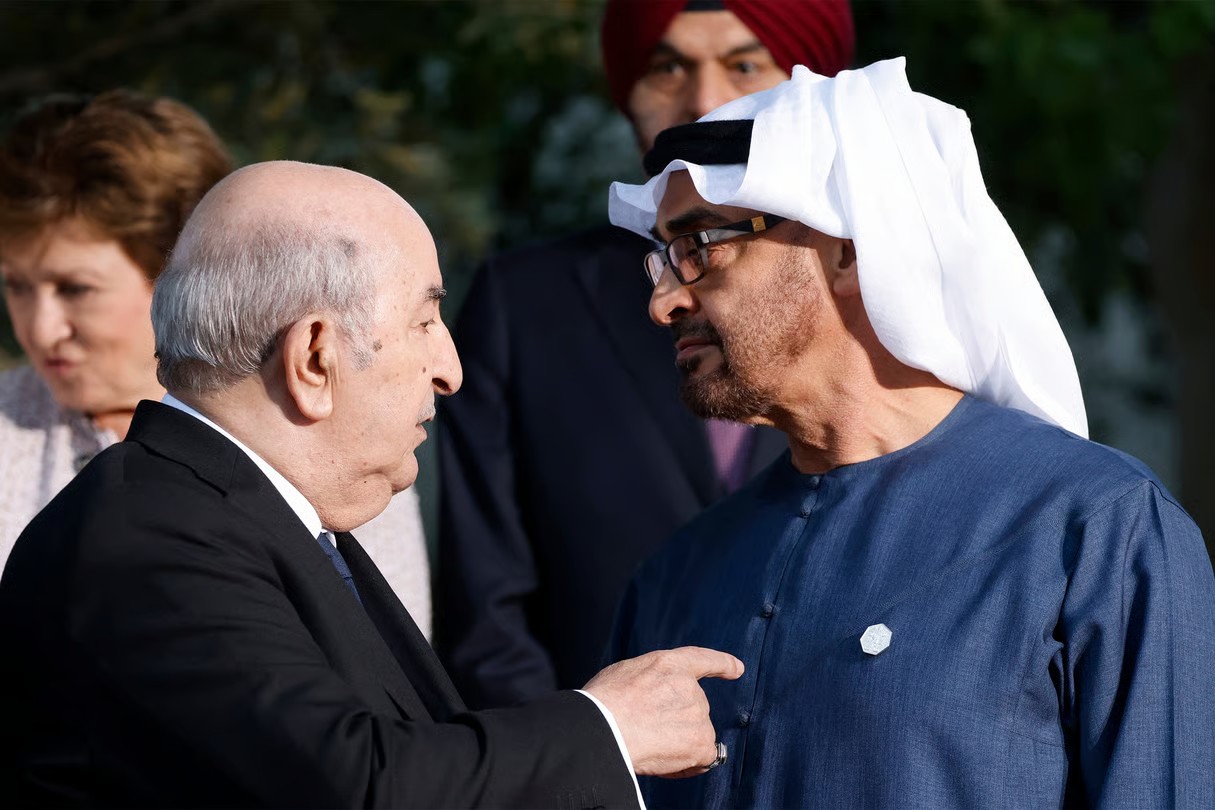
Algeria has officially severed its diplomatic ties with the United Arab Emirates (UAE), marking a significant turning point in a relationship that was once considered strong and mutually beneficial. The decision comes amidst growing tensions surrounding various geopolitical issues in North Africa and the Sahel region. The Algerian government has publicly accused the UAE of “interference,” “hostile acts,” and attempts at “destabilization,” leading to this unprecedented diplomatic break.
Escalating Tensions Between Algeria and the UAE
The deterioration of relations between Algeria and the UAE has been building for months, fueled by differing viewpoints on critical regional matters. Algeria’s concerns have escalated as it perceives the UAE’s actions as undermining its national interests. The catalyst for this diplomatic rift is attributed to the UAE’s perceived involvement in conflicts and political dynamics across North Africa, including its stance on Morocco and Libya. Algeria feels that these actions compromise its sovereignty and national stability, creating a climate of distrust between the two nations.
Historic Context of Algeria-UAE Relations
Historically, Algeria and the UAE enjoyed a cordial relationship characterized by mutual trade and cooperation. The two nations collaborated on various fronts, particularly in energy and economics. This alliance was viewed as a strategic partnership aimed at countering external influences in the region. However, recent political developments have revealed underlying tensions and diverging priorities, complicating the once harmonious relationship. Algeria’s commitment to regional stability and security contrasts sharply with the UAE’s more interventionist foreign policy, further widening the chasm between them.
Implications for Regional Geopolitics
The severance of diplomatic relations will likely have far-reaching effects on regional geopolitics. For Algeria, this move is a signal of its resolve to assert itself against perceived external pressures, particularly from Gulf states that have sought to expand their influence in North Africa. The rift could embolden Algeria to take a more active role in regional leadership, especially concerning issues in Libya and the Sahel. Conversely, the UAE may increase its diplomatic efforts to cultivate alliances with other nations in the region to compensate for this loss.
Future Prospects and Stability
Looking ahead, the break in relations presents a complex scenario for both nations and the broader region. Algeria must navigate this new landscape carefully, balancing its interests while remaining vigilant against external threats. The challenge will be to maintain national unity and stability in the face of a shifting diplomatic environment. As both countries assess their future trajectories, it will be interesting to see how their political strategies evolve in light of these tensions. The outcome of this diplomatic shift could redefine regional dynamics, influencing alliances and conflicts in North Africa and beyond.
In conclusion, Algeria’s decision to cut ties with the UAE represents a significant diplomatic shift that underscores the complexities of regional politics. As both nations reassess their positions, the implications for stability and governance in North Africa remain to be seen. Given the intricate web of alliances in the region, this rift could either prompt further conflicts or pave the way for new partnerships.