
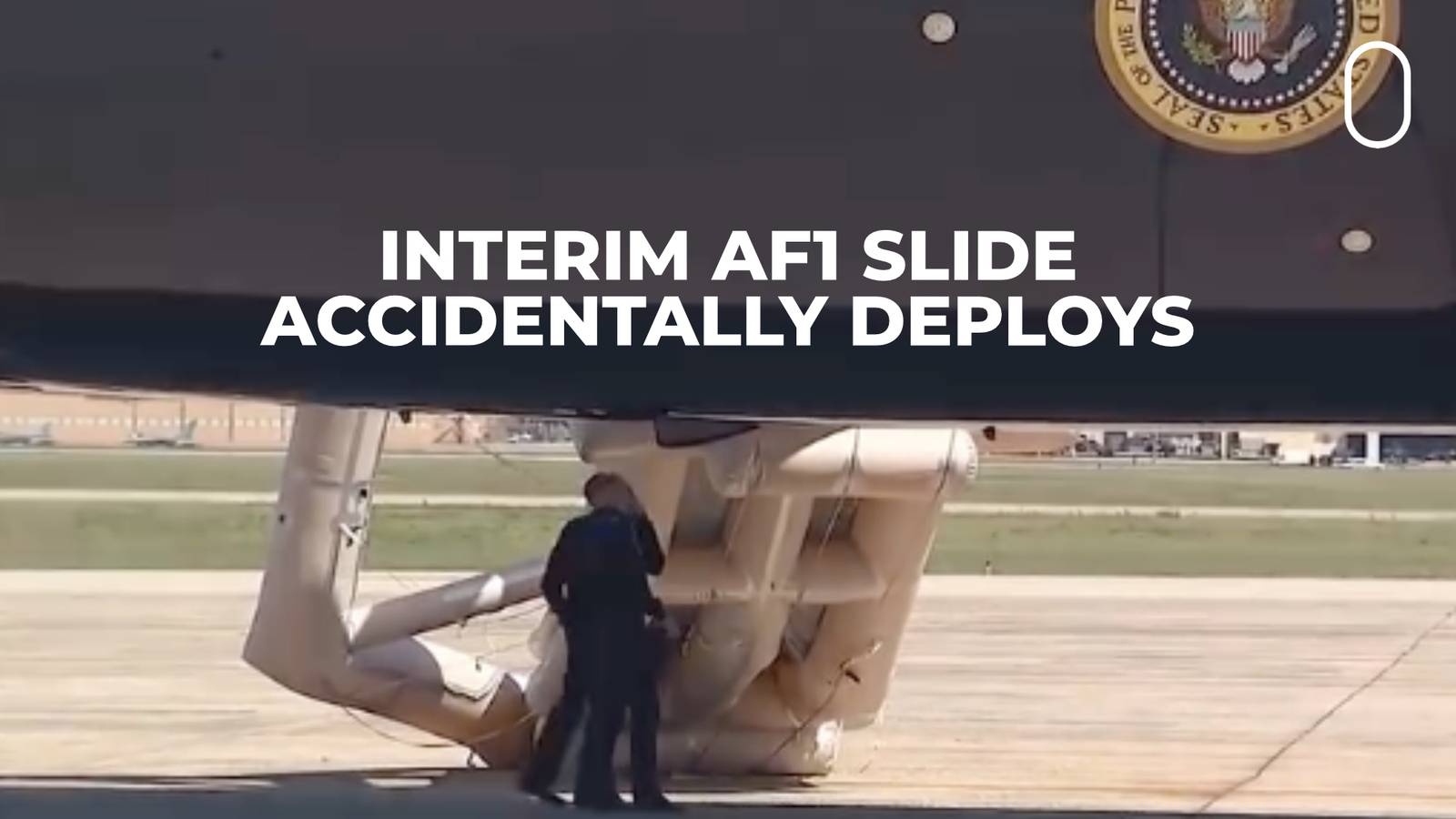
On September 9th, President Donald Trump experienced an unexpected delay at Joint Base Andrews as he prepared to board his Boeing 747-8. This incident occurred when an emergency evacuation slide deployed, momentarily disrupting his departure plans. Such occurrences underscore the importance of safety features in modern aviation, which are designed to ensure passenger safety in critical situations.
The Importance of Aviation Safety Features
Aviation safety is paramount, especially for high-profile individuals like the President of the United States. Emergency evacuation slides are crucial components of commercial aircraft, providing quick escape routes in emergencies. Their unintentional deployment can be alarming but is designed to function under specific conditions to safeguard all onboard. This incident serves as a reminder that while technology in aviation continues to evolve, its reliability remains a fundamental concern for both airlines and passengers.
Impact on Scheduled Departures
Events like the one at Joint Base Andrews can have wider implications on flight schedules. Although the deployment of an evacuation slide may seem minor, it necessitates checks and inspections to ensure the aircraft’s safety before takeoff. The added delay can reverberate throughout the day’s flight schedule, impacting not only the individual flight but possibly subsequent departures and arrivals. Efficient handling of such incidents is critical for maintaining operational integrity at busy airports.
Public Reaction to High-Profile Delays
When a public figure like Donald Trump is involved in an incident such as this, the media coverage often amplifies public interest and scrutiny. Delays in scheduled departures are usually met with questioning from the public and analysts alike, addressing concerns over safety, the efficiency of emergency protocols, and the potential for unexpected disruptions in governmental travel. Such events open discussions about the protocols followed during critical situations and provide insights into the challenges inherent in high-stakes travel.
Expert Insights on Emergency Protocols
Aviation experts emphasize the significance of having robust emergency protocols in place. The deployment of evacuation slides is just one part of a larger safety system designed to prepare crew and passengers for unforeseen situations. Regular training and simulations help ensure that all personnel are adept at managing such incidents effectively. The teamwork and swift decision-making that come into play during emergencies can make a difference in outcomes, whether for regular flights or those carrying public officials.
In conclusion, the brief delay experienced by President Donald Trump at Joint Base Andrews serves as a reminder of the complexities involved in aviation safety. With advanced technology and well-developed emergency protocols, unexpected situations like the deployment of an evacuation slide highlight the need for continual vigilance in ensuring safety. Moving forward, it is essential for both aviation professionals and the public to stay informed and proactive about the measures in place to protect passengers during air travel.