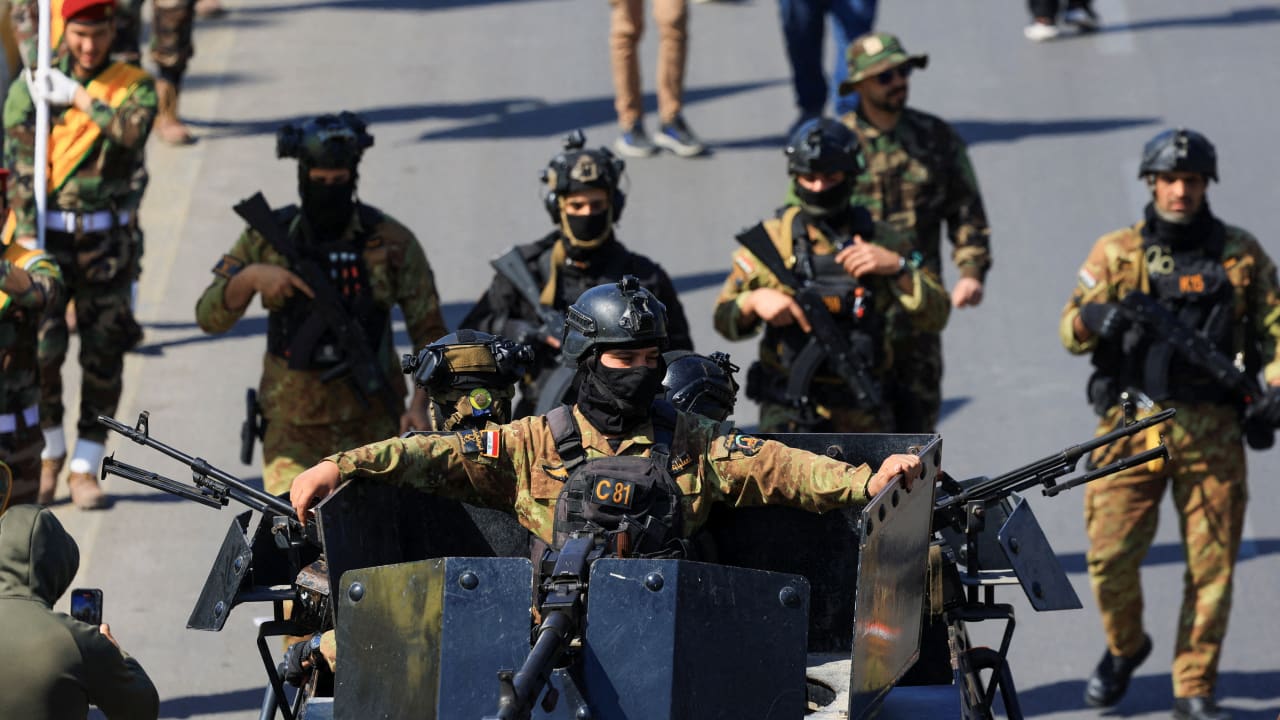
Iranian-backed militias in Iraq pose a significant threat, particularly illustrated by their recent attack on an oil pipeline in Saudi Arabia. The Iraqi government confirmed that this assault originated from Maysan province, leading to the dismissal of a local commander. By acknowledging the attack’s Iraqi origins, Iraq aims to prevent retaliatory actions from Saudi Arabia, highlighting the delicate geopolitical balance in the region.
### The Growing Threat of Militias
These militias, notably Kataib Hezbollah, have escalated their aggressive actions against several nations in the region, including past attacks on Saudi Arabia and the deaths of American service members in Jordan in 2024. Part of the larger Islamic Resistance in Iraq, these factions target various countries, threatening not only regional stability but also global energy security. Their operations extend beyond Iraq, impacting nations like Jordan, Syria, and Israel.
### Challenges in Iraqi Governance
The newly appointed Iraqi Prime Minister, Ali al-Zaidi, has promised to disarm these militias or bring their arms under state control. However, with U.S. forces expected to withdraw by September 30, the militias are likely to exploit this power vacuum, exacerbating threats both internally and externally. Reports indicate that U.S. air defenses are also leaving strategic locations, such as the Kurdistan region, further empowering these groups.
### U.S. and Saudi Responses
In response to increasing provocations, the U.S. and Saudi Arabia conducted precision strikes against militia sites in Iraq. U.S. Central Command reported that these strikes were a reaction to numerous drone attacks directed at U.S. forces and Saudi infrastructure. The operational involvement of the Islamic Revolutionary Guard Corps (IRGC) in these attacks underscores the broader implications of Iran’s regional influence.
### Ongoing Iranian Influence
Despite international pushback, the attacks continue. The militias are believed to collaborate closely with Iran’s IRGC and the Houthis, particularly evident in simultaneous operations that target strategic infrastructure in both Iraq and Yemen. For instance, while militias targeted Saudi Arabia’s oil pipeline, the Houthis seized strategic islands, thus threatening vital maritime routes.
### Iraq’s Delicate Position
Amid these tensions, Iraq has urged Saudi Arabia to refrain from retaliation. This situation presents Riyadh with a multi-faceted challenge, dealing not only with threats from Iraqi militias but also from the Houthis in Yemen. In a complex geopolitical landscape, Saudi Arabia is working with the U.S. and allies like Pakistan and Turkey, although military support remains uncertain.
### The Increasing Uncertainty
Saudi Arabia has temporarily shut down its East-West Pipeline following multiple drone attacks that resulted in injuries and significant operational disruption. The Saudi Ministry of Energy has deployed specialized teams to ensure the security of the pipeline, emphasizing the urgency in addressing the ongoing threats.
### Conclusion
The power and influence of Iranian-backed militias in Iraq are rapidly on the rise. These groups, which have evolved significantly since the fall of Saddam Hussein in 2003, are now integral components of Iraq’s political and security landscape. Their growing capabilities, particularly in using drones for targeted operations, present a notable risk not only to their neighboring states but also pose a looming concern for global energy stability. With internal Iraqi tensions and external pressures continuing to mount, the region’s future remains uncertain.