
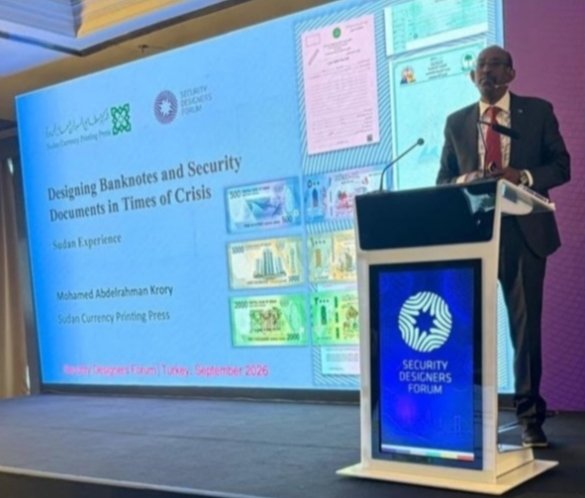
Sudan has recently disclosed significant revelations regarding the activities of the Rapid Support Forces (RSF) at an international forum dedicated to banknote production held in Istanbul. These allegations revolve around attempts by the RSF to illegally forge Sudanese currency, raising alarm in the financial and governmental sectors. This article explores these claims and their broader implications for Sudan’s economy and stability.
Context of the Allegations
The Rapid Support Forces, which have been designated as a militant group, have long been under scrutiny for their controversial operations in Sudan. Their latest endeavors to create counterfeit currency have attracted attention, as it poses a serious threat not only to the economy but also to national security. The forum in Istanbul served as a platform for Sudanese officials to highlight the risks associated with currency forgery, emphasizing the challenges that come with monitoring and regulating financial activities amid ongoing conflict.
The backdrop of these allegations is essential in understanding the instability that has gripped Sudan for years. Following the ousting of longtime president Omar al-Bashir in 2019, the country has continued to experience turmoil, mainly due to the power struggles among various military factions. The RSF’s actions exemplify how organized crime can flourish in such a chaotic environment, further complicating the effort to stabilize the nation’s economy.
Financial Implications
The threat of counterfeit currency is a significant concern for any nation, especially for one like Sudan that is grappling with economic difficulties. The production of fake banknotes can lead to rampant inflation and loss of public trust in the currency, causing even further destabilization. If the RSF were to succeed in their attempts to fabricate Sudanese currency, it could lead to a financial crisis that the nation may not be able to recover from easily.
Authorities warn that the surge in counterfeit currency could dissuade foreign investment and disrupt trade, vital for Sudan’s recovery. The international community is already wary about engaging economically with Sudan due to its recent history of conflict and instability. Thus, the RSF’s alleged activities not only pose internal threats but can also have ripple effects on Sudan’s international relations and economic viability.
Response from the International Community
In light of these allegations, the international community’s response is crucial. Experts believe that global cooperation will be necessary to effectively combat the issue of currency forgery. This includes collaboration in developing better security features for banknotes and more stringent monitoring of the financial transactions that may lead to such illicit activities.
Events like the Istanbul forum can be pivotal in fostering discussions around these challenges. By sharing best practices and technologies in currency production, countries can work towards making it more difficult for groups like the RSF to undermine the financial systems of nations. Moreover, public awareness campaigns about the dangers of counterfeit currency can empower citizens to recognize and report suspicious activities.
Concluding Thoughts
The allegations against the RSF represent a critical moment for Sudan as it grapples with the implications of organized crime on its financial stability and future. If the nation is to regain its footing, a multi-faceted approach that includes domestic reforms and international collaboration is essential. The current situation is a reminder of how intertwined economic stability is with national security, and the ongoing attempts at counterfeiting underscore the urgency for effective action against such threats.