
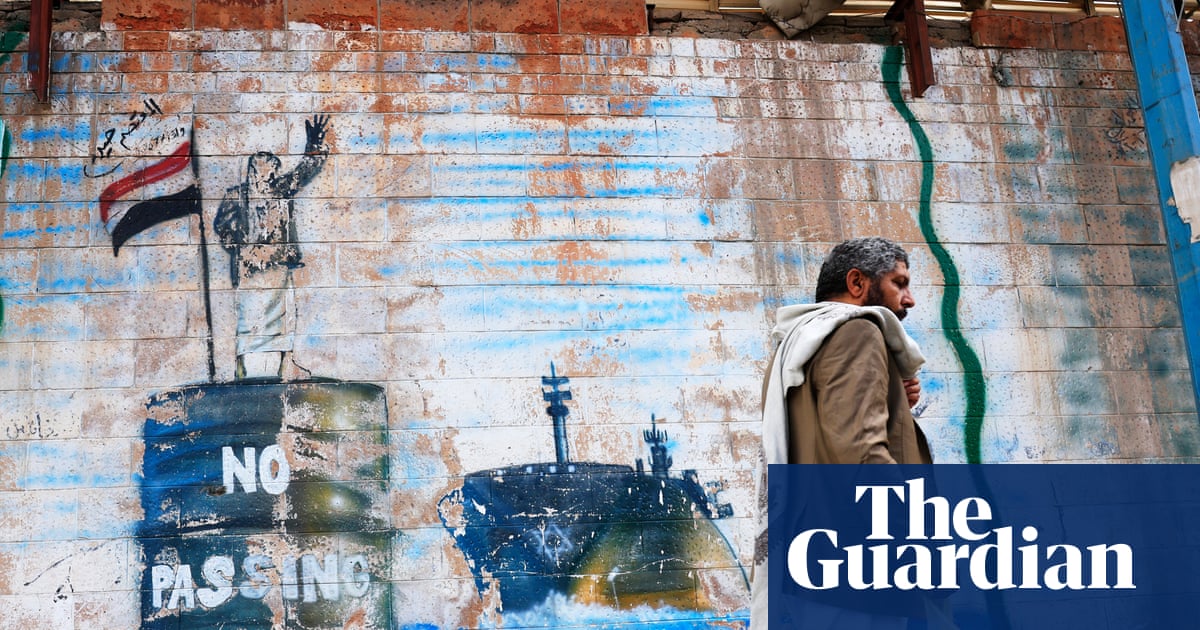
Escalating Conflict Between Houthi Fighters and Saudi Forces
Tensions in the Middle East are reaching new heights as recent military actions highlight the ongoing conflict between Houthi fighters and Saudi Arabian forces. The Houthis have ramped up their offensive strategies, employing drones and missiles to target military installations in southern Saudi Arabia. This escalation is causing significant distress among civilians, many of whom are fleeing their homes to escape the fighting.
Houthi Attacks Target Saudi Military Installations
On Sunday, Houthi militants announced an attack on a military base located in Sharurah, Saudi Arabia. According to Houthi military spokesperson Yahya Saree, the operation aimed at destroying “weapons depots and command and control centers that are managing the aggression against our nation and people.” The exact timing of the operation remains undisclosed, but it follows a week filled with clashes between the Iran-aligned Houthis and Yemeni government forces backed by Saudi Arabia.
Fighting intensified as Yemeni government forces reported successful strikes against Houthi positions in Red Sea locations like Mocha, along with attacks in the southwestern region. The Yemeni military claimed to have conducted airstrikes on Houthi targets in Taiz, further amplifying tensions in the region.
Intensifying Regional Dynamics and International Implications
The implications of these recent military actions extend beyond Yemen and Saudi Arabia. Reports indicate that Saudi Crown Prince Mohammed bin Salman made multiple appeals to former U.S. President Donald Trump for military assistance against the Houthis, which ultimately went unanswered. These dynamics are part of a broader context where the Houthis have recently solidified their control over Yemen’s Red Sea coastline and key islands, significantly impacting the Bab al-Mandab Strait, a crucial shipping lane for global oil exports.
With Iran limiting ship movements through the Strait of Hormuz, the Red Sea region’s stability is imperative for Saudi Arabia and its allies. The escalating conflict poses significant risks to maritime safety in these critical waters. Recent reports also highlighted an attack on a vessel in the Strait of Hormuz, underscoring mounting concerns over Iran’s influence and threats to energy supplies.
Humanitarian Crisis and Civilian Displacement
As a result of the intensified military conflict, a humanitarian crisis is unfolding. Over 76,000 individuals have already been displaced since July, marking a dramatic increase in civilian casualties and migrations. The fall of strategic locations like Mocha has forced many residents to seek refuge in safer areas, including Aden, the stronghold of Yemen’s internationally recognized government.
The U.N. migration agency has indicated that about 1,400 people have fled to Djibouti, further demonstrating the crisis’s regional ramifications. In addition, the ongoing violence has claimed over 500 lives, further complicating an already dire situation. Civilians are bearing the brunt of these renewed hostilities, showcasing the grave humanitarian toll the conflict imposes.
Conclusion: A Path Forward
The situation in Yemen continues to demand urgent international attention. The conflict, which reignited following a ceasefire in 2022, underscores the complex interactions between local forces, regional powers, and global interests. With rising civilian casualties and escalating military actions, it remains critical for international stakeholders to seek a resolution that addresses the humanitarian needs and political complexities inherent in this multifaceted conflict.