
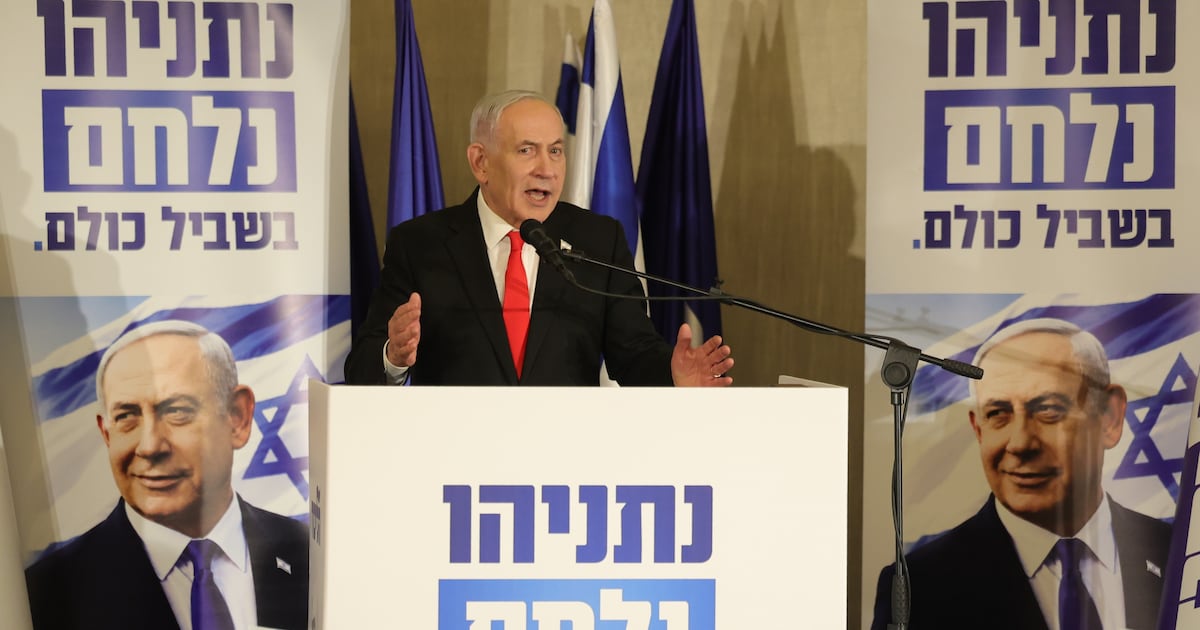
As Rosh Hashanah comes to a close, many in Israel are hoping for tranquility and peace following a prolonged period of conflict. This year, fears loom large over potential Iranian aggression as reports indicate Iran is actively refurbishing its nuclear and missile facilities. Meanwhile, Israel contends with heightened international isolation, evidenced by the United Kingdom’s actions alongside eleven other nations to impose sanctions on illegal settlements in the occupied West Bank.
### Mounting Internal Strife in Israel
In addition to external threats, the internal political landscape is fraught with tension. With elections approaching in October, parties recently submitted their candidate lists, setting the stage for a competitive race. Prime Minister Benjamin Netanyahu is grappling with growing dissatisfaction from the public, particularly concerning his alleged negligence regarding warnings about impending Hamas attacks on October 7, 2023. This precarious situation is further complicated by internal disputes among party leaders, reflecting deeper divisions.
### Concerns Over Election Integrity
With so much at stake, many Israelis express concern about the integrity of the upcoming elections. A survey conducted by the Israel Democracy Institute revealed that 59% of Jewish Israelis believe there’s a significant chance of internal disruptions during the electoral process. The fear that losing parties might refuse to accept electoral results is palpable, with 72% of respondents indicating risks to the overall integrity of the elections.
Polls indicate a stalemate within both the Netanyahu and opposition blocs, prompting analysts to ponder how this deadlock will affect future governance. Dahlia Scheindlin, an Israeli pollster, noted, “The dominant polling trends reveal a surprising stability in both blocs. Nothing appears to shift them significantly.”
### The Possibility of a Caretaker Government
If Netanyahu fails to secure a late surge in support or if no surprising coalitions form, Israel could find itself under a caretaker government until new elections, which might lead to a frustrating cycle of repeated elections. While Netanyahu’s future remains uncertain, he cannot be easily dismissed. Known as the longest-serving prime minister in Israel, he has a history of maintaining his grip on power, even in tumultuous times.
As speculation grows regarding Netanyahu’s motivations, some commentators suggest he could use escalating tensions, either regionally or in the occupied territories, as a political strategy. However, another survey indicates that such actions may not translate into favorable polling; voters may perceive them as calculated moves rather than genuine efforts to ensure national security.
### Implications of Political Change
The elections serve as a potential crossroads for the region and the Palestinian cause. Dr. Ali Al Awar of Hebrew University expressed that if Netanyahu were to lose, it could present an opportunity for Palestinians in Gaza and perhaps prompt international pressure for Israel to modify its stance regarding territories. This could lead to a broader re-examination of Israel’s policies, particularly concerning settlements.
Experts, such as Michael Hanna from the International Crisis Group, cast doubt on the extent of U.S. support for Netanyahu’s re-election. While past involvement from the Trump administration has been noted, recent observations suggest a shift in dynamics. The relationship between Israel and the U.S. has become deeply ingrained, leading to the realization that a change in leadership might not drastically alter American foreign policy stances.
In conclusion, as Israel navigates a complex landscape both internally and externally, all eyes are on the elections ahead. The potential for transformative leadership hangs in the balance, affecting not just Israeli citizens, but the wider geopolitical situation in the Middle East.