
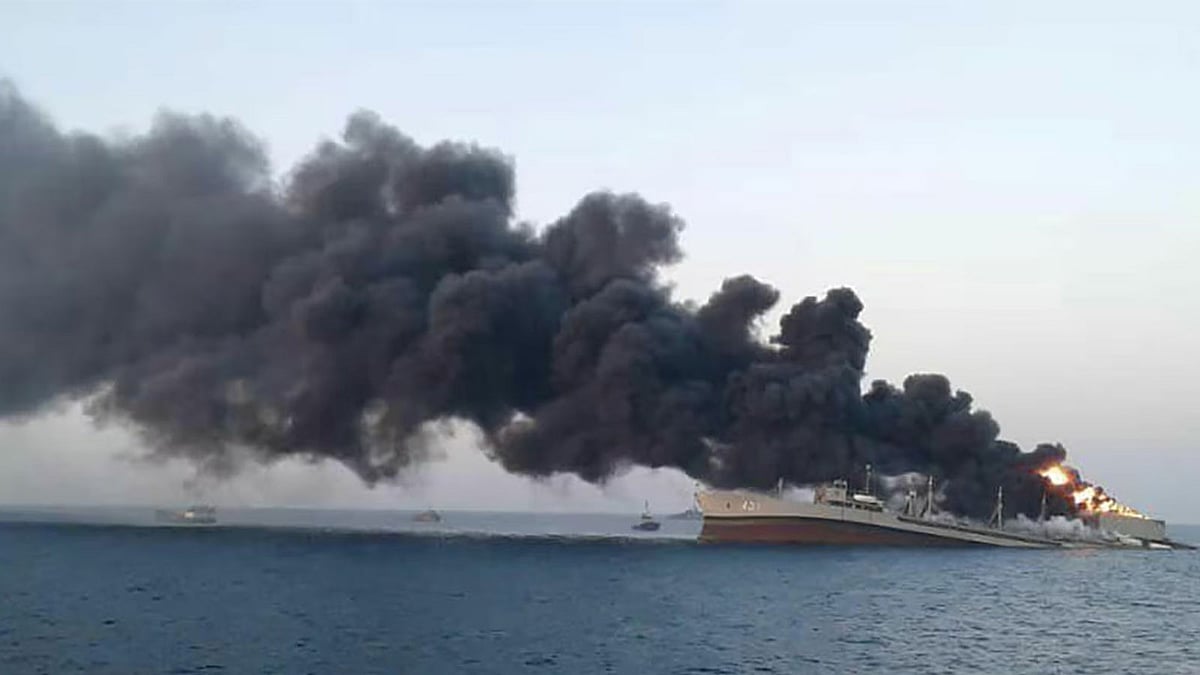
An oil producer faces the challenge of not only building a pipeline but also ensuring the safety of the transport route. One significant pathway is Saudi Arabia’s East-West pipeline, which transports crude oil across the kingdom to the Red Sea, allowing it to bypass the Strait of Hormuz. However, tankers navigating south from the Red Sea toward Asian markets must still traverse another critical chokepoint: the Bab el-Mandeb Strait situated near Yemen.
Implications of Houthi Advances
The recent territorial gains by the Houthis in Yemen have far-reaching implications, particularly concerning maritime security. The organization’s capture of Mokha, a pivotal port located approximately 80 kilometers from Bab el-Mandeb, has been confirmed by officials from both sides of the ongoing conflict. This advance positions a group already capable of targeting shipping closer to a crucial passage that connects the Indian Ocean with the Red Sea, amplifying concerns for international shipping routes.
In tandem, Saudi Arabia has shut down its East-West pipeline due to drone assaults, resulting in increased vulnerabilities—both to the infrastructure transporting oil over land and to the vessels carrying it. The Houthis’ expanding influence highlights a growing risk that extends beyond the areas they control, effectively threatening the broader shipping landscape.
Understanding the Houthis
The Houthis, formally known as Ansar Allah or “Supporters of God,” emerged from a religious revival among the Zaydi Shia community in northern Yemen during the 1990s. This movement arose from various local grievances, including marginalization and political disenfranchisement. Hussein Badreddin al-Houthi became a key figure, and following confrontations with the Yemeni government, armed conflict erupted in 2004, resulting in his death that same year. However, the movement not only survived but grew through a series of confrontations with Yemen’s state apparatus, solidifying its authority in northwestern Yemen.
A military and political entity, the Houthis are currently led by Abdul Malik al-Houthi. Their influence has grown to directly impact regional politics, yet understanding their local roots and motivations offers critical context that’s often overlooked when assessing their relationship with Iran, which has provided military support but does not control the group’s operations.
The Strategic Importance of Bab el-Mandeb
Bab el-Mandeb is an indispensable maritime corridor linking the Gulf of Aden with the Red Sea, crucial for vessels traveling between the Indian Ocean and the Mediterranean. Historical data shows that roughly 9.3 million barrels of crude oil daily passed through this passage in 2023, underscoring its significance in global energy logistics. However, rising insecurities can dramatically alter shipping routes; the threat of attacks can drive up insurance costs and make a route commercially unviable, leading vessels to divert around Africa’s Cape of Good Hope.
While Saudi Arabia’s pipeline closure poses challenges, it doesn’t automatically render all oil exports trapped. Crude directed toward Red Sea terminals can still reach markets in both the Mediterranean and Asia, though threats at Bab el-Mandeb compromise one southern option, necessitating reliable solutions for oil transport.
Wider Implications and Humanitarian Concerns
India and other nations face exposure to fluctuating energy prices, disrupted shipping schedules, and higher transport costs due to the newly heightened tensions in the region. Companies relying on oil imports may find themselves dealing with increased expenses and sourcing complications, illustrating the interconnected risks that accompany maritime insecurity. Furthermore, the humanitarian crisis in Yemen remains acute, with tens of millions requiring assistance amidst ongoing conflict and food insecurity—issues that often get overshadowed by discussions of oil flows and shipping routes.
Looking ahead, monitoring the trajectory of commercial shipping and the Houthis’ expanding territorial presence will be crucial. The reopening of the East-West pipeline will serve as an important indicator of regional stability, and the ability of shipping companies to operate safely through affected areas will dictate the future of trade along these critical routes. The journey is only as secure as the conditions that follow it, making attention to this evolving situation imperative.