
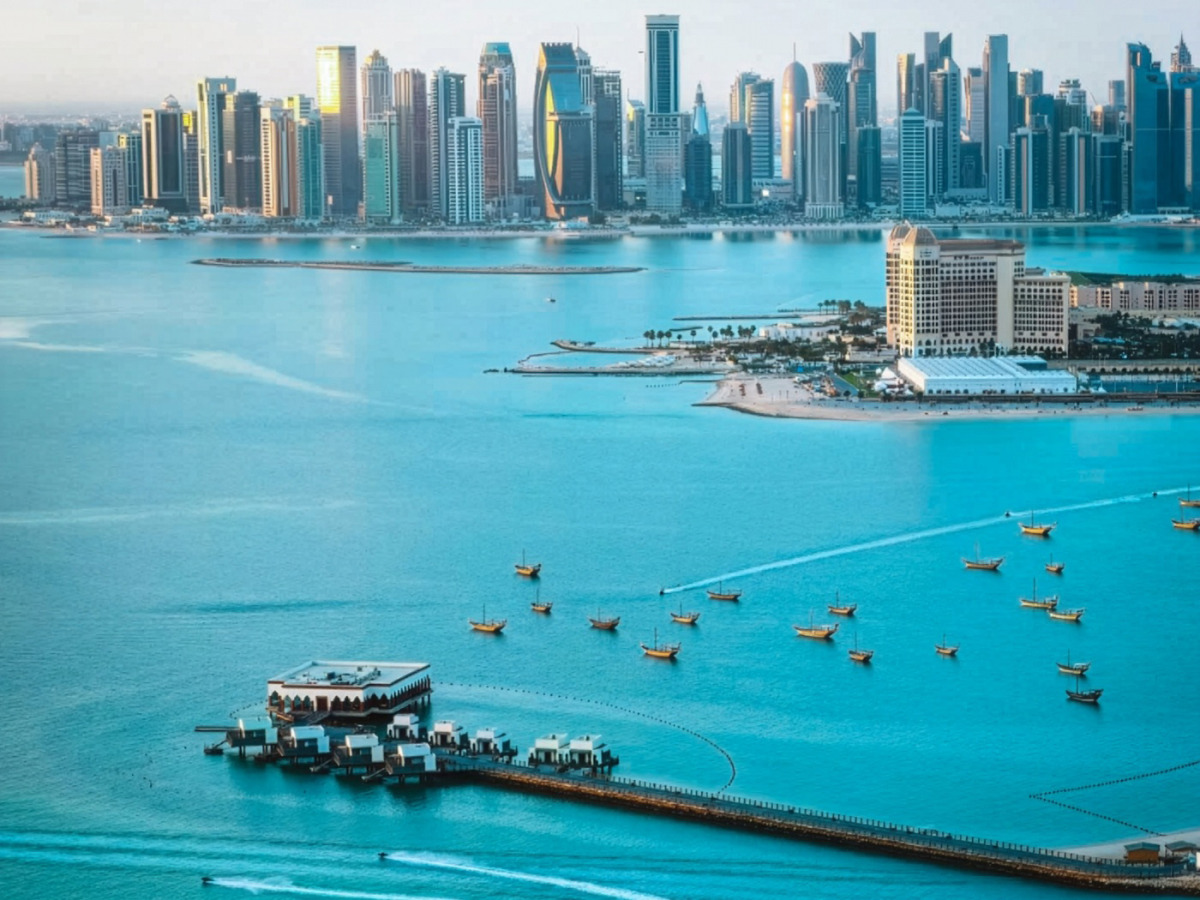
The Ministry of Municipality in Doha, Qatar, is making significant strides in enhancing urban life through innovative strategies aimed at expanding recreational spaces and improving green infrastructure. With 94% of the National Strategy for Open and Recreational Areas completed, the initiative emphasizes the importance of developing recreational hubs that foster community well-being and environmental sustainability.
Advancing Urban Planning Initiatives
The National Strategy for Open and Recreational Areas is a cornerstone of the Ministry’s Annual Achievement Report for 2025. This initiative embodies the Ministry’s commitment to creating a well-rounded and sustainable urban planning framework that aligns with Qatar’s growth trajectory. The strategic framework focuses on developing open spaces and recreational facilities, incorporating new destinations and amenities while establishing a cohesive national network of green corridors. This comprehensive approach aims to enhance overall urban life by fostering interconnected and sustainable environments.
Furthermore, this initiative is part of broader efforts by the Urban Planning Affairs Sector to elevate the functionality and quality of public spaces. Ensuring that green and recreational areas are integral components of urban development underscores the Ministry’s dedication to building a healthier and more vibrant populace.
Innovative Projects and Sustainability Efforts
Another key accomplishment is the Smart Rainwater Monitoring Project, which is nearing completion at 99.8%. This project aims to create a unified network for monitoring rainwater levels, providing accurate data for future planning. By developing a standardized shared database among relevant entities, the initiative enhances the management and planning of rainwater resources, underscoring the Ministry’s commitment to sustainable water management.
Additionally, the GCC Design Standards Manual has achieved 100% completion, facilitating the establishment of uniform design standards across GCC nations. Other noteworthy projects include the Hydrogeological Assessment Project, which is 96% complete, focusing on understanding groundwater systems and their geological impacts to ensure the long-term sustainability of resources.
Regulatory Developments and Urban Integration
The Urban Planning Department has also made substantial progress in creating planning requirements for small plots within urban centers, achieving a 96% completion rate. This initiative aims to develop effective planning frameworks that seamlessly integrate smaller plots into existing urban landscapes. Moreover, the Green Belt Development Strategy has reached 92% completion, promoting robust green infrastructure that intertwines environmental considerations with urban planning efforts.
The Ministry has successfully finalized the Green Roof Planning Standards Manual, emphasizing sustainable development and enhancing the environmental quality of the built environment. Additional achievements include refining various regulatory guidelines, such as the Commercial Activities Classification Guide and the GCC Urban Design Guide, which further enrich urban planning practices.
These accomplishments collectively underscore the Ministry’s vision of fostering a connected, sustainable, and livable urban environment in alignment with Qatar National Vision 2030. Through integrating infrastructure development with environmental stewardship and recreational amenities, the Ministry continues to lay the groundwork for a more resilient and thriving urban landscape in Qatar.