
Iraq’s Involvement in Regional Security Incidents
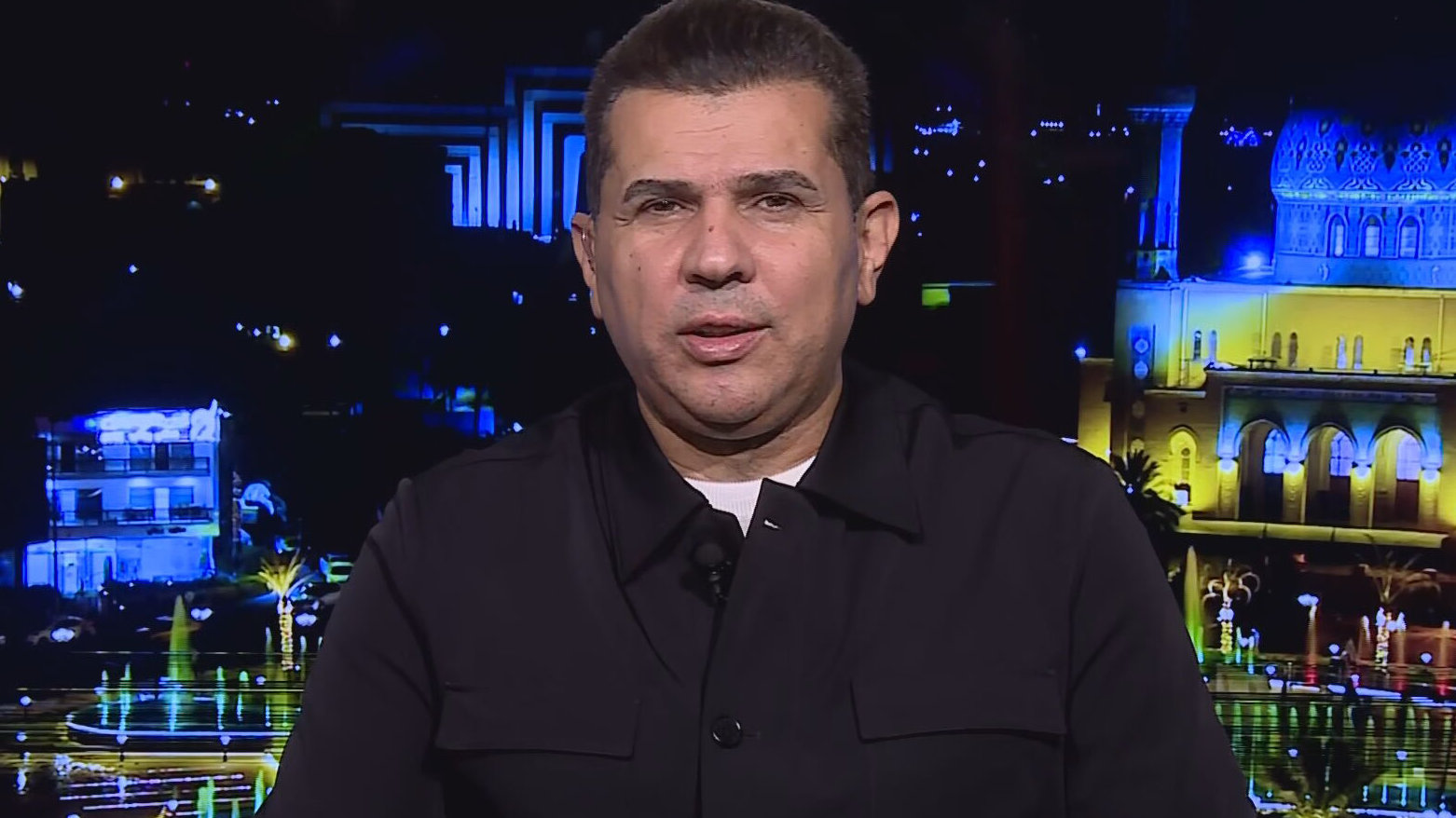
Recent security incidents involving attacks against Saudi Arabia have generated significant attention in the region. Iraq’s Security Media Cell head, Lieutenant General Saad Maan, has clarified Iraq’s position, stating that while Iraqi territory was utilized for these attacks, Iraq itself was not the perpetrator. This pronouncement is part of a broader effort by Iraqi officials to manage the narrative surrounding security in the region and respond to concerns from neighboring states.
Investigation Into the Recent Attacks
Speaking with Kurdistan24, Maan emphasized that the identities of those responsible for the assaults remain undetermined. He noted that a high-level committee has been established to thoroughly investigate these incidents. “The attacks carried out against Saudi Arabia were not conducted by Iraq; rather, Iraqi territory served as a launchpad,” he stated. Despite the lack of clarity regarding the attackers’ identities, Maan assured that all necessary steps are being taken by the investigating committee, which is committed to uncovering the truth.
Furthermore, Maan revealed that the Iraqi Prime Minister had initiated changes within the military leadership in Maysan province, tying this decision to the recent security breaches. The Iraqi government’s stance is to communicate its opposition to any form of aggression directed towards Saudi Arabia, a message that has been communicated clearly to the Saudi authorities. “We maintain communication with Saudi Arabia to keep them updated on any developments, and they have expressed understanding of the current situation,” Maan noted.
Coalition Forces Withdrawal and National Security
On a broader scale, Maan discussed the impending withdrawal of international coalition forces from Iraq, asserting that the nation is transitioning into a new phase where it relies on its own military capabilities. “Iraq has all the necessary resources and confidence in its forces. No foreign troops should linger in Iraq, even in advisory roles,” he affirmed. He contrasted the current state of Iraq with that of 2014, highlighting significant changes in military and security leadership.
Maan also addressed concerns regarding a perceived security vacuum in areas not governed by the Kurdistan Regional Government (KRG). He strongly dismissed these worries, emphasizing effective collaboration between Iraqi federal forces and Peshmerga units in maintaining security. “There is no security vacuum whatsoever,” he asserted, indicating excellent coordination in operations, intelligence sharing, and countermeasures against drug trafficking threats.
Focus on Modernizing Iraq’s Defense Capabilities
In another vital development, Maan revealed the Iraqi Prime Minister’s commitment to enhancing the country’s air defense systems. This initiative includes a comprehensive three-year plan aimed at strengthening military capabilities in this area. The Prime Minister’s prioritization of air defense underscores Iraq’s evolving security needs, especially given recent regional tensions.
Maan also reported the successful conclusion of investigations into earlier attacks aimed at the Kurdistan Region. The findings from these inquiries are now available, but details were not disclosed, underscoring the confidentiality often surrounding security-related investigations.
In summary, as Iraq navigates these complex security landscapes, both regional and domestic stability remain paramount. The government’s proactive stance, focusing on national capabilities and effective security collaboration, reflects a conscious effort to foster a resilient security environment that can adapt to emerging threats.