
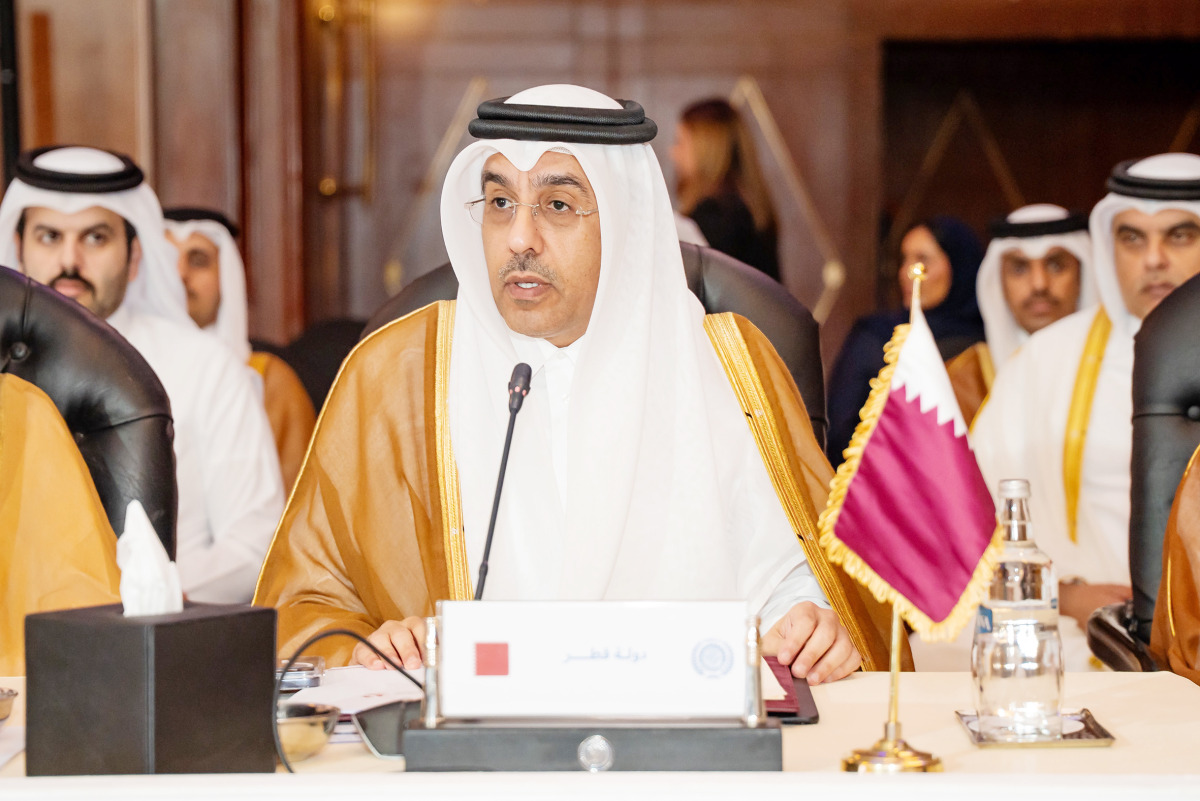
Minister of Labour Dr. Ali bin Smaikh Al Marri recently highlighted the imperative for advanced skills development in Qatar’s evolving job market. His remarks came during the 52nd Arab Labour Conference in Cairo, where he addressed the need for adaptation amid rapid changes influenced by technology and environmental considerations.
Shifting Dynamics in the Labour Market
In his speech, Dr. Al Marri emphasized that emerging trends, especially those driven by artificial intelligence (AI), digital transformation, and the burgeoning green economy, magnify the urgency for investment in workforce skills and reskilling initiatives. As the global job landscape shifts, it is vital for educational and training programs to align more closely with the necessities of the labour market. This alignment will facilitate a more robust preparation for the future of work, ensuring that both employees and employers can better navigate these changes.
Qatar’s Legislative and Institutional Advances
Over recent years, Qatar has seen significant reforms within its labour market, aimed at establishing a more adaptable and efficient system. The Minister noted that these reforms not only contribute to a sustainable labour landscape but also enhance the overall governance structure of the labour market. The reforms include the introduction of a non-discriminatory minimum wage and improvements to the Wage Protection System, which work collectively to safeguard workers’ rights and welfare.
Focus on Resilience and Development
The discussions at the Arab Labour Conference also shed light on the broader challenges faced by Arab nations, particularly those stemming from conflicts and social instability. In light of these issues, Dr. Al Marri noted the increasing necessity for development models that are resilient and capable of evolving in response to shifting socio-economic climates. He pointed to the importance of building frameworks that prioritize not just economic growth, but also social stability and human capacity.
Qatar National Vision 2030: A Human-Centric Approach
Dr. Al Marri reaffirmed Qatar’s commitment to placing people at the heart of its developmental strategies, as outlined in the Qatar National Vision 2030. This vision seeks a balanced approach to human, social, economic, and environmental development, all while fostering a diversified and competitive knowledge-based economy. The focus on human capital investment is seen as a cornerstone in driving forward this ambitious national agenda.
To achieve these goals, there remains a critical need for continuous reforms within the labour sector. The introduction of new regulatory frameworks related to labour mobility, alongside enhanced health and safety measures, are just a few of the initiatives that have been implemented to create a comprehensive labour market system. These efforts are supported by mechanisms for resolving labour disputes, ensuring greater access to justice for workers.
In conclusion, Dr. Al Marri’s insights underline a transformative era for Qatar’s workforce, emphasizing the need for strategic investment in skills and aligning education with market demands. By embracing technological advancements and preparing for future challenges, Qatar aims to equip its workforce to thrive in an increasingly complex global economy, while also protecting the most vulnerable groups from the adverse impacts of these rapid changes.