
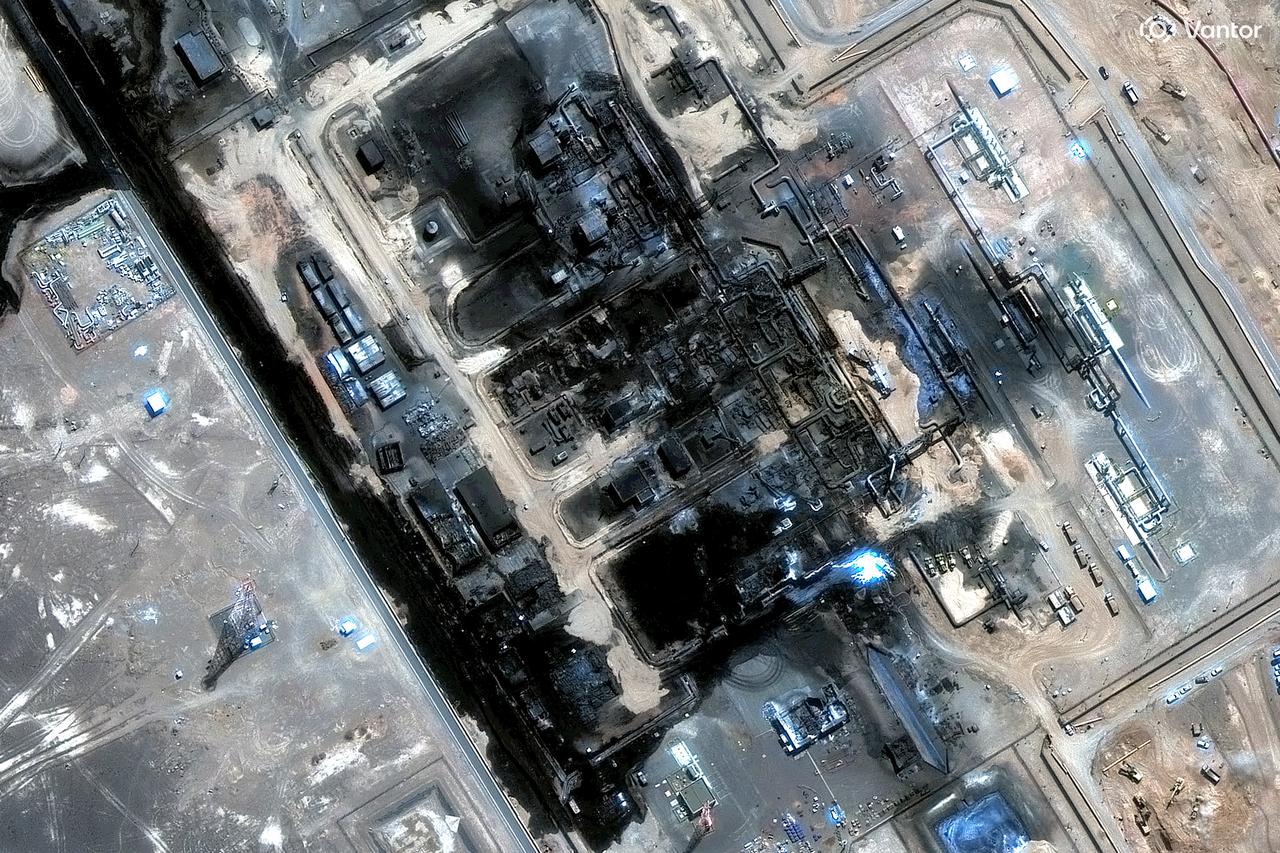
The recent attacks on Saudi Arabia’s East-West oil pipeline have heightened tensions in the Gulf region. In response, the United Arab Emirates (UAE) has taken diplomatic steps to encourage restraint amid rising fears of conflict. UAE Foreign Minister Abdullah bin Zayed Al Nahyan engaged in discussions with both Saudi Arabia and Iraq to urge calm and prevent further escalation.
UAE Calls for Diplomatic Solutions
During a recent conversation with Saudi Foreign Minister Faisal bin Farhan Al Saud, Al Nahyan emphasized the necessity for both nations to coordinate their approaches. The discussions highlighted the importance of joint Gulf efforts to ensure stability and enhance security within the region. In light of the attacks, the Saudi Foreign Ministry noted that the two officials agreed on the critical need for close consultation and collaboration to protect national interests across Gulf states.
Furthermore, Al Nahyan also reached out to Iraqi Foreign Minister Fuad Hussein, not only to discuss bilateral ties but also to address broader regional security concerns and the ongoing situation in Yemen. Both ministers reiterated their commitment to maintaining and strengthening Iraqi-Gulf relations to bolster regional stability. They stressed the importance of resolving disputes through dialogue rather than escalating tensions.
Analyzing the Pipeline Attacks
The drone assaults on the East-West pipeline, which occurred on September 11, have raised serious security alerts for Saudi Arabia. Initial reports suggest these drones originated from Iraqi territory, prompting an investigation by the Iraqi government. This development led to heightened scrutiny of border security, particularly in areas close to the Iranian border. The Iraqi Prime Minister, Ali al-Zaidi, has begun measures to address these findings, including an inquiry into the events surrounding the attack.
Saudi Arabia’s Foreign Ministry announced its decision to refrain from immediate military retaliation as it anticipates Iraq’s actions to secure its territory and prevent further assaults. However, Riyadh has asserted its right to take necessary measures to safeguard its sovereignty and protect its citizens. The situation remains precarious, especially with the crucial East-West pipeline serving as a significant oil transit route that bypasses the strategic Strait of Hormuz.
Implications for Regional Stability
As events unfold, the potential for broader conflict in the Gulf rises, particularly given the pipeline’s strategic importance for Saudi Arabia’s oil exports. The failure to address these security threats adequately could encourage further aggressions, destabilizing not just Saudi Arabia, but the entire Gulf region.
The situation illustrates the delicate balance of diplomacy and military readiness that regional states must maintain. Countries like the UAE are play a crucial role in mediating tensions and fostering dialogue aimed at preventing conflict. By fostering communication between Saudi Arabia and Iraq, the UAE is helping to establish a foundation for peace and cooperation, which is essential for security in the Gulf.
In light of these developments, ongoing diplomatic efforts will be crucial to ensuring a collaborative approach in addressing regional security challenges. The risk of escalation remains high, and any miscalculation could have significant ramifications for the entire region. The collective commitment of Gulf nations to dialogue and restraint will be vital in navigating these turbulent waters.