
Iran’s recent diplomatic engagements faced a setback with the cancellation of a significant meeting in Oman, which was to include foreign ministers from Gulf nations and Tehran. This disruption underscores ongoing tensions in the region and the complexities of international relations.
Saudi Arabia’s Influence in Regional Diplomacy
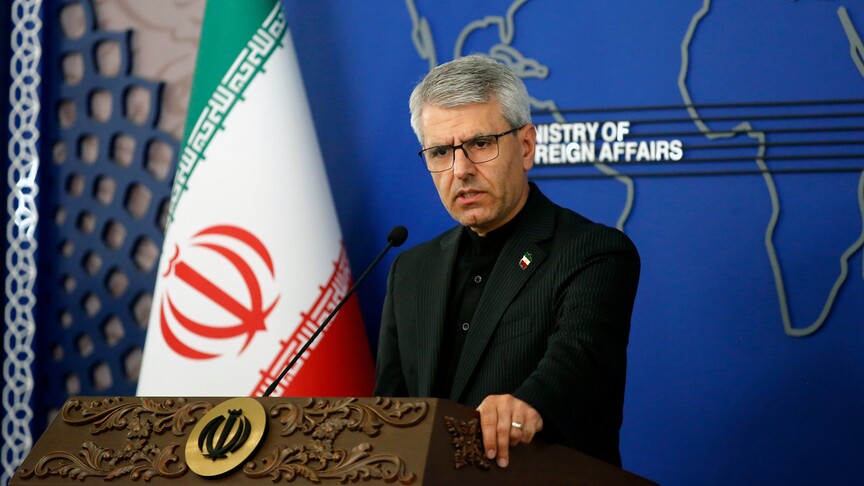
On September 14, Iran’s Foreign Ministry confirmed that Saudi Arabia requested the postponement of the meeting, which was intended to solidify understandings on maritime security in the strategically vital Strait of Hormuz. Foreign Ministry spokesman Esmail Baqaei stated that Riyadh’s wishes were aligned with the current geopolitical situation and that relevant discussions would not proceed for the time being. While the exact reasons for this request remain ambiguous, Baqaei emphasized that the relationship between Iran and Yemen should not be conflated with the ongoing diplomatic efforts among these Gulf nations.
Baqaei also refuted US allegations linking Iran to an attack on a Saudi oil pipeline originating from Iraq. He argued that such claims only serve to exacerbate divisions within the region, illustrating how external influences can complicate local interactions. Despite these setbacks, Iran and Oman continue to explore a framework for navigating maritime routes, demonstrating a commitment to dialogue even amid rising tensions.
Implications for Regional Security
The planned meeting was expected to foster discussions on creating a secure maritime environment, free from external interventions. Baqaei lamented the missed opportunity, stating that Iran had hoped regional countries would capitalize on this moment to address security concerns collaboratively. Iran and Oman have previously engaged in talks regarding maritime arrangements, especially after a June memorandum of understanding aimed at restoring security in the waterway fell through.
Baqaei expressed that security in the Strait of Hormuz is a shared concern for both Iran and Oman, pointing fingers at US and Israeli actions as major contributors to instability in the area. He highlighted a recent incident where an Iranian vessel was attacked, resulting in casualties, further illustrating the precarious security situation that persists in these waters.
Future Prospects for Diplomacy
Though the meeting in Oman is canceled, Baqaei mentioned that the understanding reached between Iran and Oman will still be honored. Discussions on how to announce or implement this agreement will proceed, showcasing Tehran’s willingness to foster dialogue despite the hurdles it faces. Moreover, Oman’s Foreign Minister Badr Albusaidi has reiterated the nation’s commitment to facilitating regional stability, indicating that efforts to promote diplomacy will continue.
On the broader geopolitical stage, Baqaei criticized US foreign policy, particularly its “illegal and interventionist” actions, including economic sanctions and military blockades. He warned that Iran’s responses would be calibrated according to the nature of US engagement. In this context, the ongoing dialogue with regional partners, including Turkey and China, appears crucial for Iran as it seeks to navigate its complex relationships in a challenging geopolitical landscape.
As the situation evolves, the potential for renewed discussions remains. The delicate balance of interests among Gulf nations, coupled with the pressures exerted by external actors, will continue to shape the prospects for peace and cooperation in the region.