
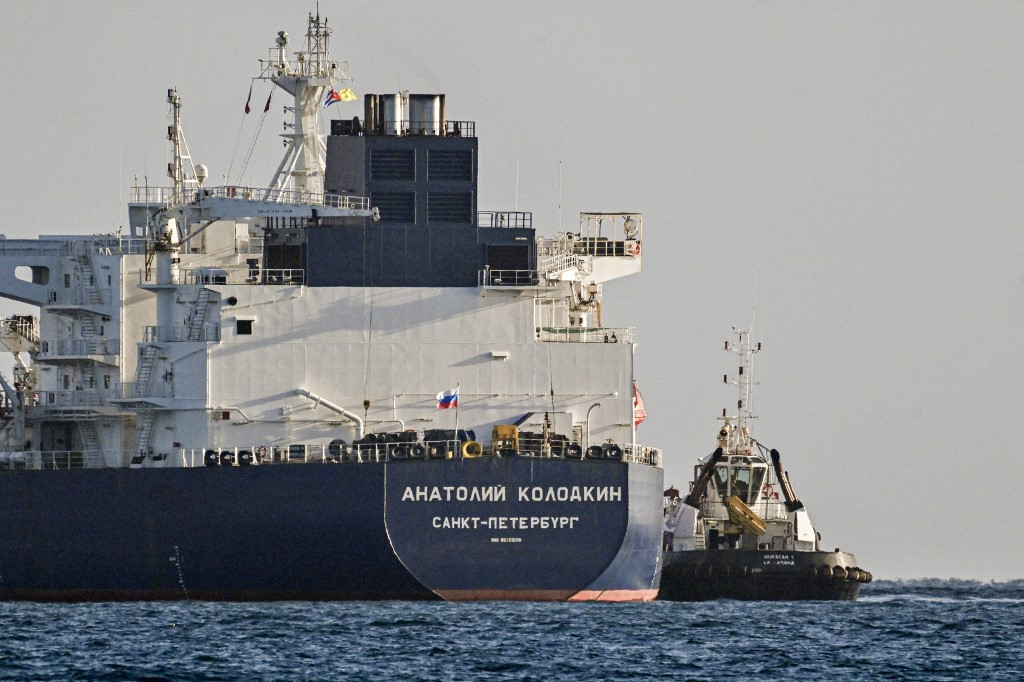
Ukrainian drone assaults in August significantly impacted Russian oil exports, but they haven’t completely drained Moscow’s financial resources. The effects of the ongoing conflict reveal a decline in Russia’s fossil fuel revenues and volumes, highlighting a notable shift in the economic balance brought about by the war.
Declining Revenue from Fossil Fuels
In August, Russia witnessed a drop in its fossil fuel export revenues, which fell to approximately €604 million ($697 million) daily. This figure represents an 8% decrease from July, as reported by the Center for Research on Energy and Clean Air (CREA). Despite this decline, Russia imported a record volume of seaborne oil products, indicating an attempt to sustain its oil industry amidst escalating drone strikes from Ukraine.
China emerged as the leading buyer of Russian fossil fuels, generating roughly €8.4 billion ($9.7 billion) in revenue for Moscow during August. India followed as the second-largest importer, contributing about €4.8 billion ($5.5 billion). Turkey, a NATO member, ranked third with imports reaching €1.5 billion ($1.7 billion), while the European Union came in fourth with approximately €1.2 billion ($1.4 billion) in imports. Although EU imports of liquefied natural gas (LNG) dipped to their lowest levels since Russia’s invasion of Ukraine began, certain countries, including France and Hungary, continued to import significant volumes.
EU’s Position and Sanctions Impact
The EU enforced an import ban on oil products derived from Russian crude, yet in August, there were 20 shipments arriving at EU ports from refineries in Turkey, India, and Georgia that process Russian crude oil. This is an increase of two shipments compared to July, with Italy and Cyprus each receiving five cargoes. This situation underscores the complexity of the EU’s energy dependence and its ongoing struggle to reduce reliance on Russian fossil fuels while navigating sanctions.
Impact of Drone Strikes on Russian Refineries
According to the CREA, Russia’s crude revenue dropped by 13% from the previous month, attributed largely to Ukrainian drone strikes targeting key facilities. Notably, the drone assaults around the Black Sea city of Novorossiysk halted cargo loading operations for nine days, leading to a staggering 58% decrease in loadings at the port compared to July. Additionally, the Tuapse port ceased exporting oil products following attacks from Ukrainian drones back in May.
August saw several targeted strikes on various oil refineries in Russia, including TANЕCO, Perm, and Novokuibyshevsk. These strikes disrupted operations significantly, with the Orsknefteorgsintez refinery in Orsk now fully closed due to the attacks, facing extensive repairs projected to take up to six months. As the conflict continues, further assaults on critical infrastructure, including a recent attack on the Saratov oil refinery, signify a sustained effort by Ukraine to undermine Russia’s oil-producing capabilities.
Overall, the situation remains fluid as both sides adapt to ongoing military strategies and economic pressures. With Ukraine increasing its drone operations and Russia attempting to maintain its oil exports through established alliances, the conflict is far from over, and its repercussions will undoubtedly shape the geopolitics of energy in the coming months.