
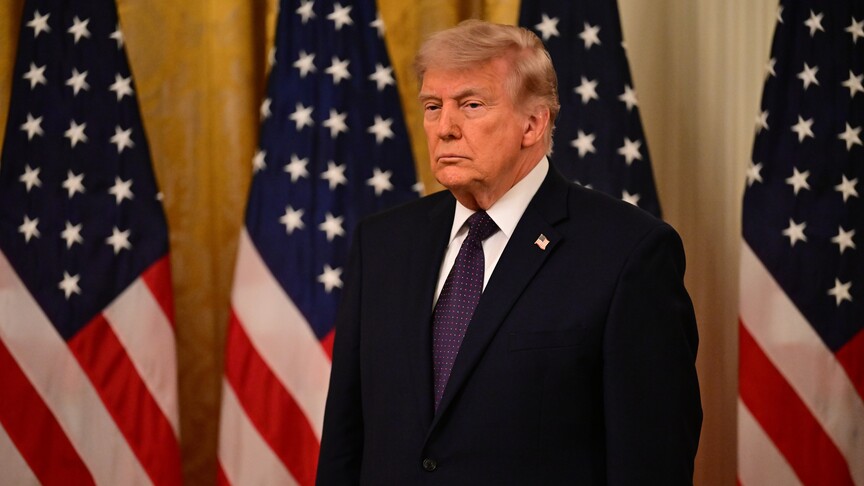
US President Donald Trump recently stated that Iran is eager to reach a deal with the United States, expressing that the desire for an agreement is strong and urgent. His comments highlight the ongoing complexities in US-Iran relations and set the stage for potential future engagements.
Iran’s Urgent Desire for Agreement
In a bold statement on his social media platform, Truth Social, Trump remarked, “The failing Nation of Iran wants to make a deal, quickly and badly.” This assertion not only underscores Iran’s pressing need for negotiations but also reflects the tumultuous state of affairs between the two nations. Trump emphasized that he would ultimately decide whether the United States would engage with Tehran, indicating a cautious yet open stance toward potential discussions.
Escalating Tensions and Military Strikes
Tensions between the US and Iran have recently escalated. In February, the United States and Israel conducted military operations targeting Iranian interests. In response, Tehran retaliated against both Israeli and US military positions throughout the region. This cycle of aggression has contributed to an increasingly volatile situation, raising concerns about the implications for broader regional stability.
Prior to Trump’s latest remarks, a significant diplomatic effort took place. In June, Washington and Tehran reached an understanding, facilitated by mediation efforts from Pakistan and Qatar. However, the implementation of this agreement has been fraught with challenges, particularly regarding the critical maritime area of the Strait of Hormuz. Disputes over navigational rights and security concerns in this vital waterway have hindered progress.
The Resumption of Hostilities
After a brief lull in hostilities following the Islamabad understanding, the US resumed military strikes against Iranian targets in August. This renewed aggression has led to Tehran conducting retaliatory missions against US military installations in various allied Arab states. Such retaliations underscore the dangerous trajectory of US-Iran relations and the potential for further conflict.
The complex nature of these interactions reveals the fragility of diplomatic efforts in the region. The challenges faced by both sides in establishing a constructive dialogue demonstrate the need for careful negotiation and a commitment to resolving underlying grievances. As Trump weighs the possibility of engaging in talks, the onus lies on both nations to prioritize dialogue over military confrontation.
In conclusion, the current state of US-Iran relations remains precarious. With Trump’s assertion that Iran is eager to negotiate, there may be a window of opportunity for renewed discussions. However, the backdrop of military actions and regional tensions complicates any path forward. A balanced approach emphasizing diplomatic engagement could be crucial in mitigating further conflict and fostering peace in the region.