
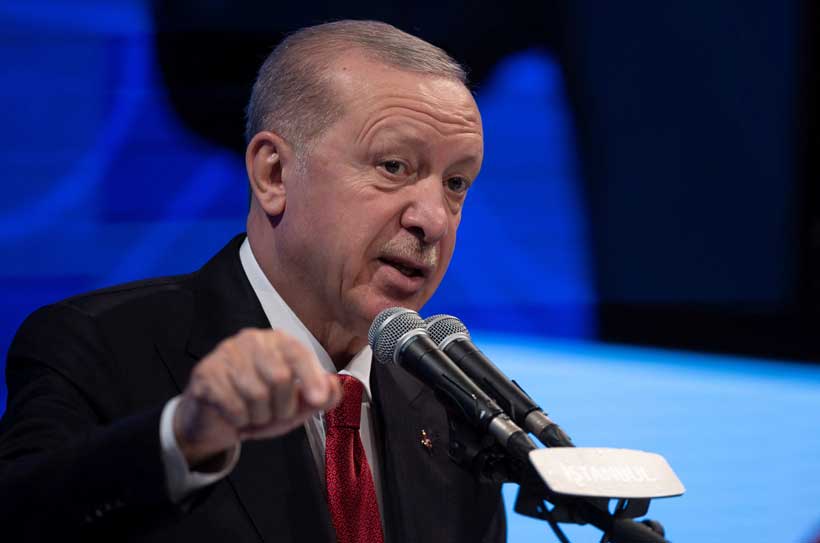
In September 2026, Turkey heightened its confrontational stance towards Greece, characterized by a resurgence of aggressive rhetoric and disputes over regional partnerships in the Eastern Mediterranean. This escalation reflects a broader trend of territorial and political tensions that continue to shape the dynamics between these two neighboring nations.
Tensions in the Eastern Mediterranean
The Eastern Mediterranean has long been a hotspot for geopolitical conflicts, with Turkey and Greece frequently at odds over issues such as maritime boundaries, energy exploration, and territorial claims. Turkey’s recent shift towards a more hardline approach signals its intent to assert dominance in the region. The resumption of belligerent language from Ankara serves to reinforce its commitment to protect its interests, particularly in areas rich in energy resources. This clash pivots not only on historical grievances but also on the strategic importance of the region, which is crucial for energy supplies and maritime routes.
Impact of Regional Alliances
Turkey’s growing tensions with Greece are further complicated by the influence of international alliances. The bilateral relationships between Greece and other countries, particularly its ties with the United States and the European Union, have fortified its position against Turkey. Meanwhile, Turkey seeks to strengthen its partnerships within the Arab world and its connections with Russia and China. These competing alliances create a tense environment, as both nations maneuver to leverage support and counteract the other’s influence. The potential for international involvement adds a layer of complexity, as outside powers may react to a conflict that spills over into a larger regional crisis.
Internal Dynamics and Nationalism
Internally, both Turkey and Greece face significant pressures that fuel nationalist sentiments. In Turkey, President Recep Tayyip Erdoğan has historically used foreign policy challenges to rally domestic support amid economic difficulties. This reality amplifies the rhetoric against Greece, as it resonates with patriotic narratives and distracts from other pressing issues. Conversely, Greece’s response to perceived threats from Turkey stirs national pride and unity, often leading to increased military readiness. The interplay between domestic politics and external aggression has a profound impact on how each country approaches their rivalry.
Prospects for Resolution
As tensions escalate, the question remains: Is there a viable path toward de-escalation? Diplomatic efforts are essential, but they are complicated by the prevailing hostilities. Previous rounds of dialogue have often faltered due to mistrust and frequent provocations. For any potential resolution to take place, both nations must be willing to compromise on key issues while recognizing the geopolitical realities that shape their interactions. The role of international mediators could be pivotal in fostering a more collaborative atmosphere, emphasizing peaceful negotiation over confrontation.
The deteriorating relations between Turkey and Greece in September 2026 underscore the fragility of peace in the Eastern Mediterranean. With both countries maneuvering within a complex web of regional and international alliances, the potential for conflict remains high. However, a focus on diplomatic engagement and understanding the underlying factors driving this rivalry can pave the way toward a more stable future for both nations.