
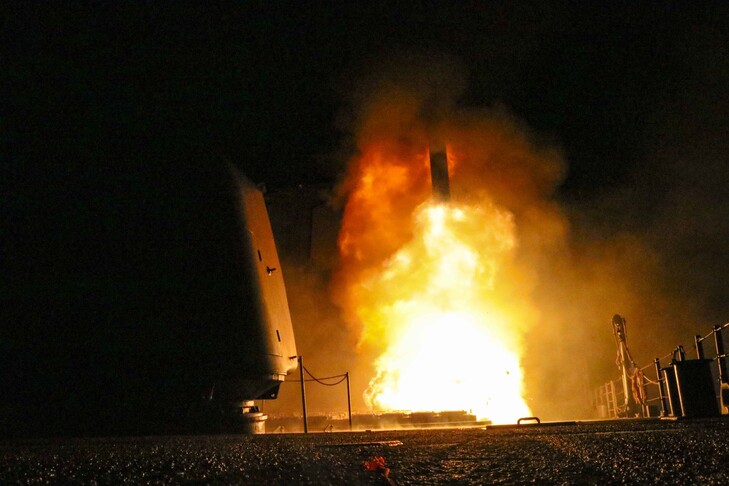
In the first report by the Pentagon’s Inspector General regarding the ramifications of the U.S. military engagement in Iran, serious concerns have emerged about the depletion of munitions and the strain on the defense industrial base. This report is essential for understanding the broader implications of the ongoing conflict and how it impacts U.S. military readiness.
Impact on Munitions Stocks
The report, which details the period from April 1 to June 30, indicates that the munitions used during the four-month operational campaign have led to “strategic inventory shortfalls.” The investigation has highlighted significant bottlenecks within the U.S. defense industry’s capability to replenish weapons supplies efficiently. The Office of the Under Secretary of War for Acquisition and Sustainment specifically noted that limited munitions inventory exposes vulnerabilities in the U.S. military’s operational capacities.
To address these shortcomings, the Pentagon is reportedly taking steps to streamline its procurement processes and reduce production lead times. Additionally, there is an initiative underway to stockpile essential materials and critical munitions to ensure that the military can respond swiftly in emergencies. However, the report indicates that achieving increased production capabilities involves considerable time and effort.
Bottlenecks and Resource Allocation
The defense industry faces persistent bottlenecks, particularly in the manufacturing of solid rocket motors, the availability of high-grade explosives, and the recruitment of skilled labor for production tasks. The report emphasizes that substantial lead times are necessary for the industrial base to ramp up production and meet the military’s demands.
Despite these challenges, some government officials maintain that the U.S. has ample ammunition reserves. President Donald Trump and Defense Secretary Pete Hegseth have publicly denied claims regarding depleted stockpiles, asserting that defense manufacturing is at an all-time high. Trump recently stated that the nation is producing the largest number of military facilities in its history, aiming to boost production capacity.
Financial Implications of the Conflict
As of June 29, the financial ramifications of the military operations in Iran have reached approximately $33.4 billion. This figure includes $22.3 billion related to munitions expended and an additional $3.7 billion linked to equipment losses based on replacement costs. It is crucial to note that this estimate does not account for infrastructure repair expenses, which could significantly increase the overall costs of the war.
On July 21, Hegseth emphasized the need for supplemental funding, warning that without it, the Pentagon could encounter severe resource shortfalls, jeopardizing the ability to support active service members and replenish essential equipment and munitions. In response to these concerns, the White House submitted an emergency funding request of $87.6 billion to Congress, with $67.1 billion allocated specifically for the Pentagon, including $21 billion designated for munitions replenishment.
The report also highlights the human cost of the engagements, with seven U.S. service members reported killed in action and seven fatalities occurring due to non-combat incidents between February 28 and June 30. Adding to this toll, four additional service members lost their lives in July, underscoring the sacrifice involved in these military operations and the critical need for sustainable military readiness.