
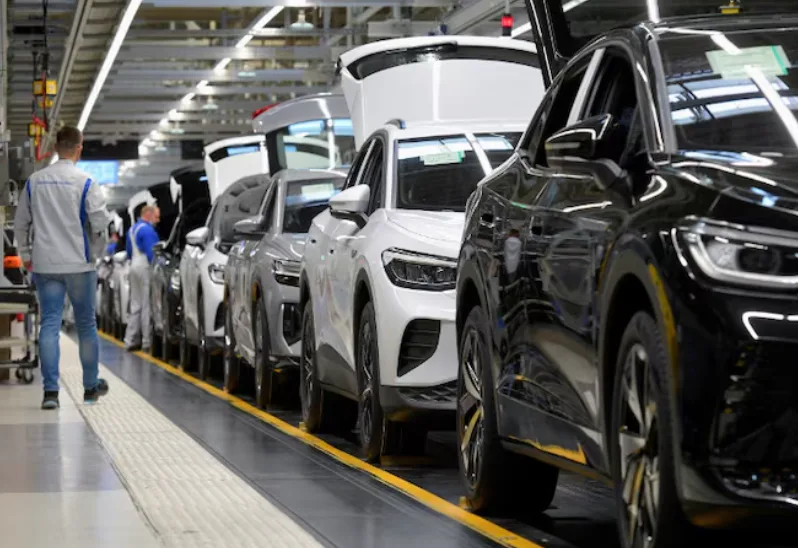
The automotive industries of the United Kingdom, Japan, and Turkey are actively seeking to leverage the new “Made in Europe” regulations from the European Union. As the EU shifts its industrial policy, concerns grow regarding the potential impact on jobs and production within these countries. Reports indicate that alterations in these rules could deeply affect global automotive markets.
The Implications of the New EU Policy
The EU is proposing a significant transition in its approach to public contracts and subsidies related to electric vehicles and clean energy technologies. This move is aimed at promoting European manufacturing, diverging from traditional free trade principles to counter China’s growing influence in various industries. By prioritizing EU-based production, the bloc is raising alarms among non-EU car manufacturers who fear being sidelined in this competitive landscape.
As noted by industry experts, while nations with existing trade agreements with the EU will benefit in part from the “Made in Europe” initiative, stringent conditions are being put in place. These include requirements that vehicles must be assembled within the EU to qualify for subsidies, effectively isolating non-EU carmakers. The implications for manufacturers outside the EU could be severe, potentially hindering their access to significant financial support and restricting their operational growth.
Seeking Inclusion in Industrial Initiatives
In response to these developments, automotive sectors in the UK, Japan, and Turkey are campaigning for inclusion in the EU’s new Industrial Accelerator Act, which outlines these rules. Japanese representatives have indicated a desire for a bilateral agreement with Brussels that adequately incorporates Japan’s automotive industry into the EU framework. Such collaborations are essential for fostering fair competition while protecting domestic jobs.
UK Prime Minister Andy Burnham recently articulated concerns to French President Emmanuel Macron regarding the negative implications for the UK automotive industry. He emphasized that British manufacturers should not be disproportionately affected by policies aimed at limiting Chinese market dominance. The UK views these discussions as crucial, especially with an upcoming reset of relations with the EU planned for November.
Turkey’s position in the automotive sector is also critical, as it maintains a customs union with the EU. Turkish officials are lobbying for the inclusion of their automotive industry within the “Made in Europe” regulations. The economic ties between the EU and Turkey in automotive trade are substantial, with a valuation of approximately €54 billion annually, including the components involved. Omer Bolat, Turkey’s trade minister, has made it clear that excluding Turkey could undermine the EU’s industrial strength.
Volkswagen’s Response and Industry Trends
In the backdrop of these geopolitical shifts, companies like Volkswagen are recalibrating their strategies significantly. The automaker has projected the expense of a major restructuring initiative at around $16 billion, a substantial portion of which will be channeled toward workforce reductions affecting tens of thousands of employees. This situation underscores the broader anxieties surrounding the destabilizing effects of new trade regulations, pushing companies to adapt or risk falling behind in a progressively competitive market.
As the European Union continues to reshape its industrial policies, stakeholders in the automotive sectors of the UK, Japan, and Turkey will need to advocate vigorously for their interests. The evolving landscape poses both challenges and opportunities, and collaborative efforts will be crucial for navigating the complexities of this new regulatory environment.