
In recent statements, Qatar has underscored the severe implications that would arise from a potential closure of the Bab al-Mandab waterway. With the ongoing blockade of the Strait of Hormuz and significant advances made by Houthi forces along the Red Sea coast, this warning comes at a critical moment for global maritime security.
Importance of the Bab al-Mandab Waterway
The Bab al-Mandab Strait serves as a crucial maritime route for international trade and energy supplies, linking the Red Sea to the Gulf of Aden and the Arabian Sea. A blockade here could severely disrupt shipping lanes, affecting economies across the globe. In light of recent geopolitical tensions, Qatar’s alarm over the possible closure of this vital passageway highlights its significance in maintaining global commerce and energy flow.
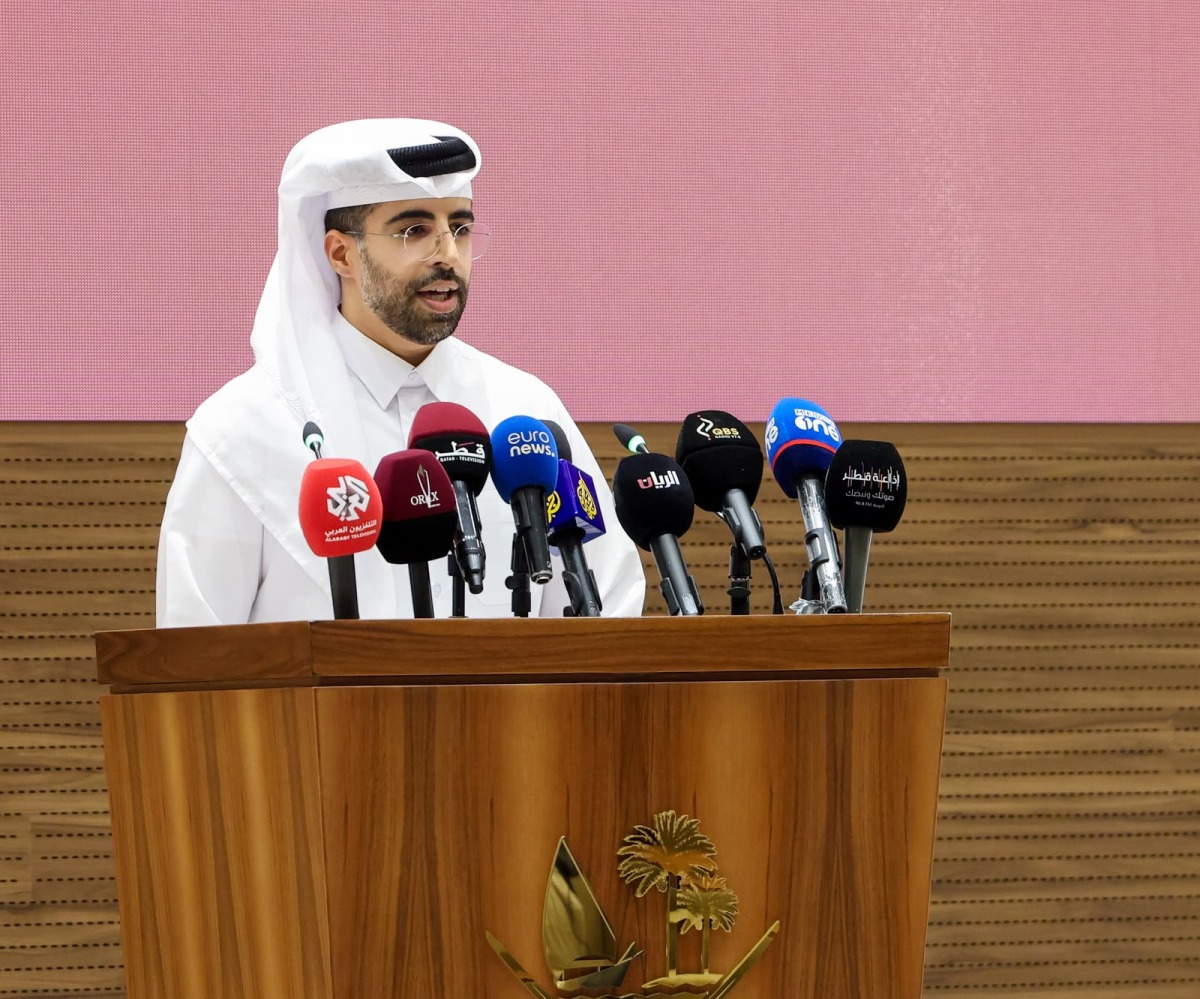
During a recent media briefing, Ibrahim bin Sultan Al Hashmi, Director of Media and Communications at the Ministry of Foreign Affairs, articulated the potential fallout from such a scenario. He emphasized, “The world is suffering enough with the closure of the Strait of Hormuz, so we cannot also afford to add the Bab al-Mandab into that equation.” His remarks underline the interconnectedness of these strategic waterways and the cascading effects of their interruption.
Global Implications of a Closure
Should the Bab al-Mandab Strait become impassable, the consequences would ripple throughout the international community. Al Hashmi stated that a closure would be “catastrophic for the entire world.” The ramifications could manifest in various forms, from accelerated shipping costs to delays in energy supply, which would consequently lead to increased prices for consumers worldwide.
Given the current geopolitical landscape, Qatar’s call for diplomatic engagement and dialogue is critical. The nation is advocating for peaceful negotiations to prevent further escalation. The official noted that “we are already seeing the consequences,” indicating that the effects of ongoing regional tensions are already being felt on a global scale.
Qatar’s proactive stance on diplomacy aims to mitigate these risks by fostering a collaborative approach to conflict resolution in the region. The nation’s focus on open communication channels could potentially avert the escalation of these crises and preserve the stability needed for international maritime routes.
The Path Forward: Diplomacy and Dialogue
As tensions continue to mount, the importance of diplomatic initiatives cannot be overstated. Qatar’s strategy underscores the need for dialogue as a means to enhance regional security and stability. By encouraging conversations between conflicting parties, Qatar aims not only to prevent closures of critical waterways but also to foster a more peaceful maritime environment that benefits all nations reliant on these routes.
In conclusion, the potential closure of the Bab al-Mandab waterway poses significant threats to the global economy. Qatar’s warnings and calls for diplomacy highlight the urgent need for collaborative efforts to ensure that international trade and maritime security are not compromised. Navigating these geopolitical challenges will require commitment and cooperation from all stakeholders involved, emphasizing the pivotal role of dialogue in securing the future of critical waterways.