
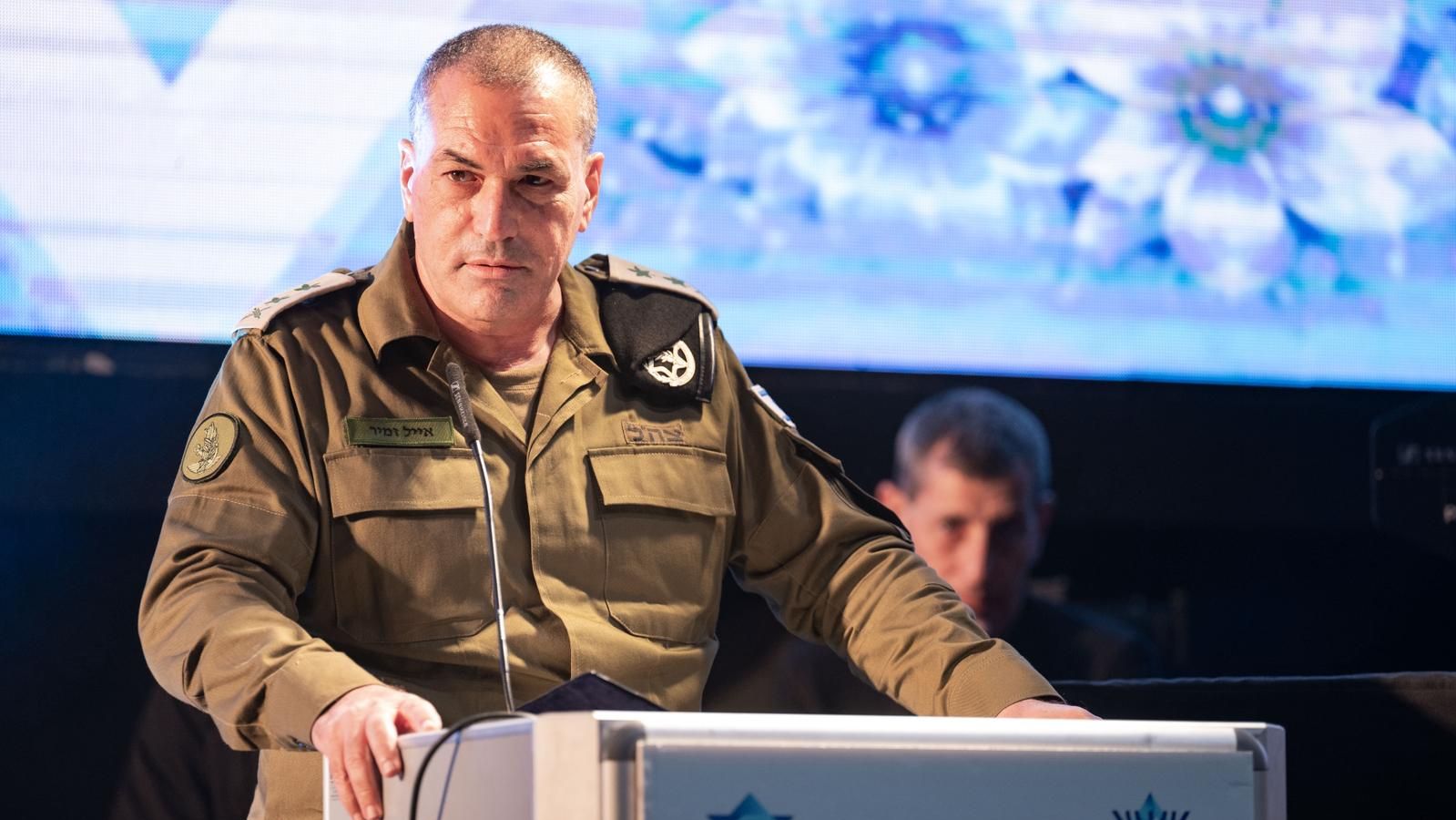
In a significant display of military solidarity, key leaders from the United States, Israel, and several Middle Eastern nations convened in Germany to discuss the ongoing conflict in Iran. This strategic gathering underscores the growing collaboration among these countries amid shifting geopolitical dynamics.
Joint Military Discussion on the Iran Conflict
Last week, senior military officials from the US, Israel, Saudi Arabia, the UAE, Bahrain, Kuwait, Qatar, Jordan, and Egypt came together in Germany for a high-level meeting focused on the war in Iran. Notable attendees included Israel Defense Forces (IDF) Chief of Staff Lt.-Gen. Eyal Zamir, who provided an informative briefing on IDF operations across various fronts over the preceding six months. This collaboration represents an important effort to align strategies and share intelligence in a tumultuous region.
Historical Context of Military Cooperation
While this was the first meeting since the conflict in Iran escalated, similar gatherings have occurred in the past. These discussions emphasize the continued military cooperation among Israel and its Arab neighbors, even in the face of public disagreements. The shared interest in regional stability and security appears to foster an environment where military leaders can address common challenges.
Regional Implications and Strategic Partnerships
The ongoing war in Iran has substantial implications for US foreign policy and regional security. The alliance between Israel and Arab countries is increasingly vital for addressing threats posed by Iranian actions. By collaborating in military operations and intelligence sharing, these nations aim to create a cohesive front capable of responding more effectively to the evolving security landscape.
Challenges Ahead and the Path Forward
Despite the progress made through such meetings, the path forward remains fraught with challenges. Disparities in political perspectives and public sentiment among the involved countries may complicate future collaborations. Nevertheless, the commitment to military dialogue demonstrates a strategic approach to navigating these complexities, as these nations recognize the importance of unity in the face of common threats.
In conclusion, the recent meeting in Germany signals a pivotal moment for military cooperation among the US, Israel, and several Arab nations. As regional tensions continue to rise, these strategic partnerships will be crucial in addressing not only the immediate challenges presented by the war in Iran but also in fostering long-term stability within the region. The collaboration demonstrated by military officials indicates a readiness to confront these pressing issues together.