
The ongoing war with Iran is proving to be a costly endeavor, with the Congressional Budget Office (CBO) estimating monthly expenses could reach between $2 billion and $3 billion for the foreseeable future. This alarming update comes from a recent report highlighting that such expenditures could escalate significantly in response to any retaliatory actions involving Iran.
Financial Burden of Ongoing Conflict
The CBO reported that as of August 1, 2023, the U.S. has directly incurred expenses surpassing $38 billion due to the conflict. This figure excludes the costs associated with repairing damaged military bases in the region. A substantial portion of these expenses is attributed to replacing munitions, particularly interceptor missiles that serve as a defense against incoming threats, leading to a substantial decline in the inventory available for future military engagements.
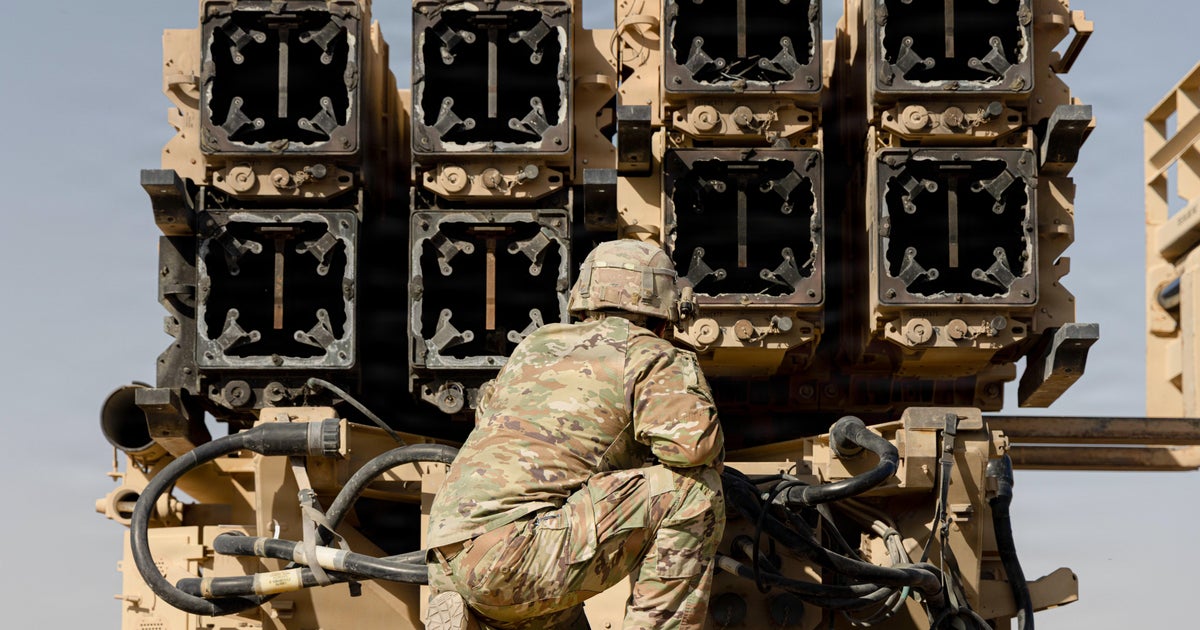
In its assessment, the CBO identified that the depletion of interceptor missiles, essential for countering aerial threats, presents a troubling shortfall. This limitation could pose significant challenges should the U.S. face an adversary equipped with a large stockpile of ballistic and cruise missiles, such as China—a scenario that could emerge in the event of rising tensions over Taiwan.
Estimated Costs of Munitions and Equipment Replacement
The projected costs to replenish munitions utilized in the conflict are estimated at $21.7 billion, broken down into categories: $7.3 billion for land-attack cruise missiles, $13.1 billion for missile-defense interceptors, and $1.2 billion for various other munitions. Additionally, when it comes to equipment, replacing lost items will cost around $1.9 billion, which includes essential systems like the THAAD air defense radar valued at approximately $500 million. If the Pentagon opts for newer aircraft models to replace those lost, the total expenditure could escalate to between $3.3 billion.
The situation remains precarious, as ongoing operations could see monthly financial burdens increase to between $2 billion and $3 billion; any escalation in conflict could significantly bump these figures, similar to the costs incurred during heightened exchanges in July, which saw expenses reach around $3 billion.
Political Responses and Ongoing Concerns
In light of escalating costs and potential inventory shortages, the White House and Pentagon have attempted to mitigate concerns. President Trump reassured the public through social media, declaring the U.S. possesses an ample supply of ammunition that far exceeds operational requirements. Similarly, Admiral Brad Cooper, who oversees military operations in the Middle East, expressed confidence in the readiness of U.S. forces during a recent interview.
However, the consequences of the conflict are raising alarms among lawmakers. The recent report by the Pentagon’s inspector general echoed these concerns, noting that munitions use has revealed significant inventory shortfalls and supply chain issues that could hinder future military operations. Republican lawmakers are currently striving to secure up to $73 billion in new funding for the war, yet plans remain stalled within the Senate.
Democratic Representative Brendan Boyle has spotlighted the human toll of the war, underscoring that it has taken lives while also imposing an enormous financial burden on American taxpayers. The CBO’s findings further emphasize the dire financial implications, establishing the war as a pressing issue requiring robust dialogue and strategic planning among policymakers.
As the situation evolves, monitoring the financial and military ramifications of this conflict will be essential to understand the broader impacts it may have on national security and defense capabilities moving forward.