
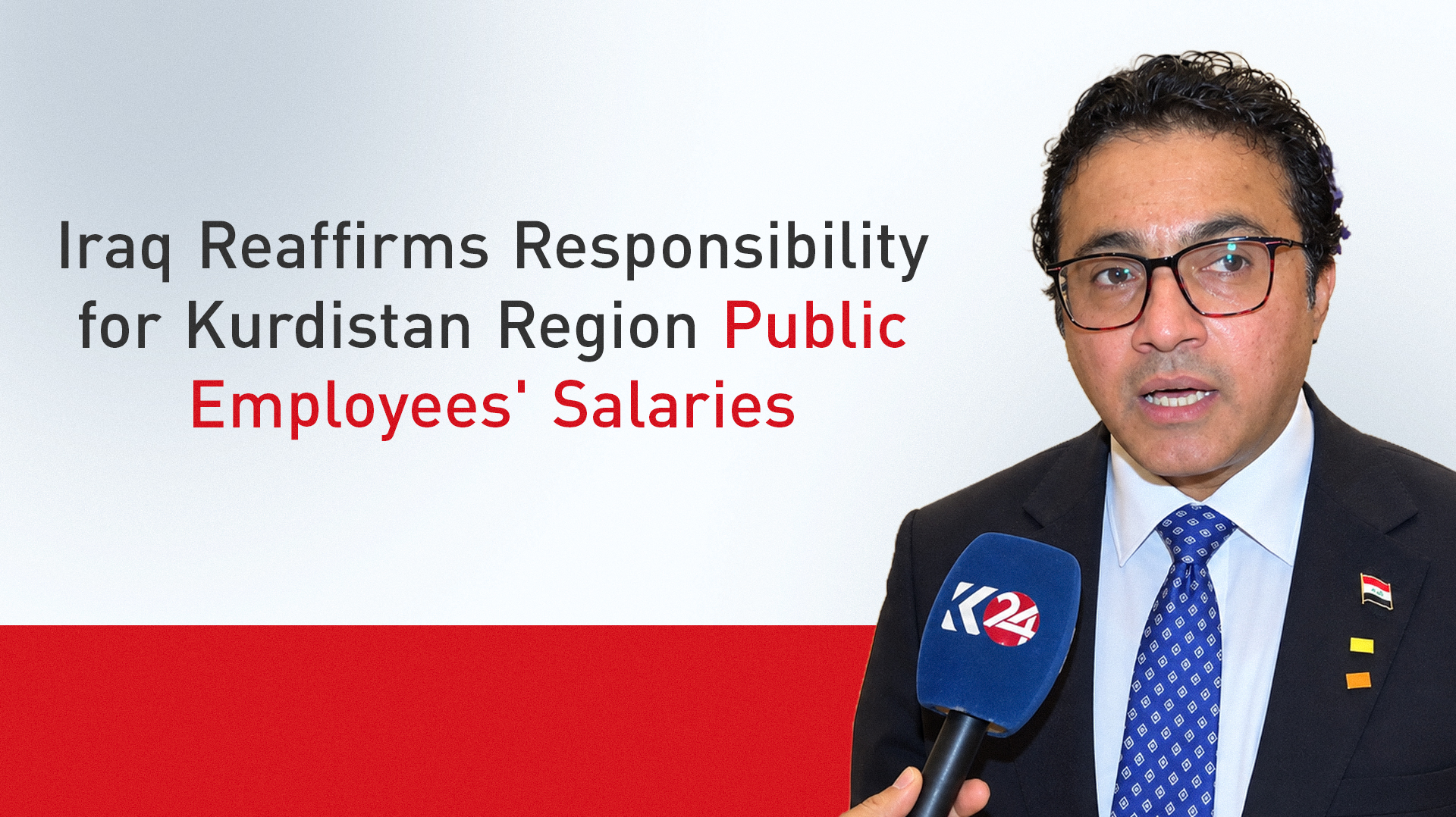
The Iraqi government is reaffirming its commitment to the residents of the Kurdistan Region by ensuring the disbursement of salaries for public employees. This assurance comes amidst ongoing regional conflicts that have significantly impacted Iraq’s economy, especially in terms of oil exports.
Iraqi Government’s Commitment to Kurdistan
According to Haider al-Aboudi, the spokesperson for the Iraqi government, the federal authorities regard themselves as accountable for every segment of the Iraqi populace. He emphasized that they are dedicated to fulfilling the needs and expectations of those living in the Kurdistan Region. Quoting the Iraqi Constitution of 2005, which was brought into effect following a public vote, al-Aboudi outlined the federal government’s obligation to ensure that public employees in the Kurdistan Region receive their salaries. His statements reflect a clear intention to maintain stability and support for a region that is a vital part of Iraq.
Further strengthening this message, al-Aboudi referred to remarks made by Iraqi Prime Minister Ali al-Zaidi during a recent press conference held in Berlin. The Prime Minister underscored the Kurdistan Region’s integral role within the broader Iraqi state, highlighting the region’s significance on both a political and economic level.
Engagement with Kurdish Officials
Al-Aboudi also mentioned the active participation of high-ranking Kurdish officials, such as Iraqi Foreign Minister Fuad Hussein and President of the Diwan (Office) of the Kurdistan Region Presidency, Fawzi Hariri, during al-Zaidi’s engagements in Europe. These officials are viewed as representatives of the Iraqi state, playing crucial roles in advocating for national interests and safeguarding the rights of all communities within Iraq.
This collaboration reflects a unified approach to addressing the array of challenges facing the country, particularly in relation to economic development and regional cooperation. The involvement of Kurdish leadership in international discussions signifies a commitment to fostering constructive relationships that benefit all Iraqi citizens.
The Economic Ramifications of Regional Conflicts
Discussing the economic challenges faced by Iraq, al-Aboudi pointed out that the country has suffered significant financial setbacks, particularly due to interruptions in oil exports linked to ongoing regional disputes. Although Iraq is not directly involved in these conflicts, the repercussions on its economy have been profound. The spokesperson articulated that these disruptions have strained Iraq’s ability to engage with global markets, highlighting the urgent need for stability to attract investment.
During a recent diplomatic mission to France and Germany, al-Aboudi indicated that the Iraqi delegation aimed to convey a strong message about the nation’s economic potential. Prime Minister al-Zaidi’s formal invitation to major companies from both countries underscores the Iraqi government’s determination to create opportunities for foreign investment. Focusing on sectors like energy, security, civil aviation, and infrastructure, Iraq is keen on engaging international partners to stimulate economic growth and resilience.
The Iraqi government’s renewed focus on ensuring that salaries are disbursed to public employees in the Kurdistan Region, coupled with efforts to attract foreign investments, underscores a holistic strategy aimed at enhancing stability and prosperity for all Iraqi citizens, including those in Kurdistan.