
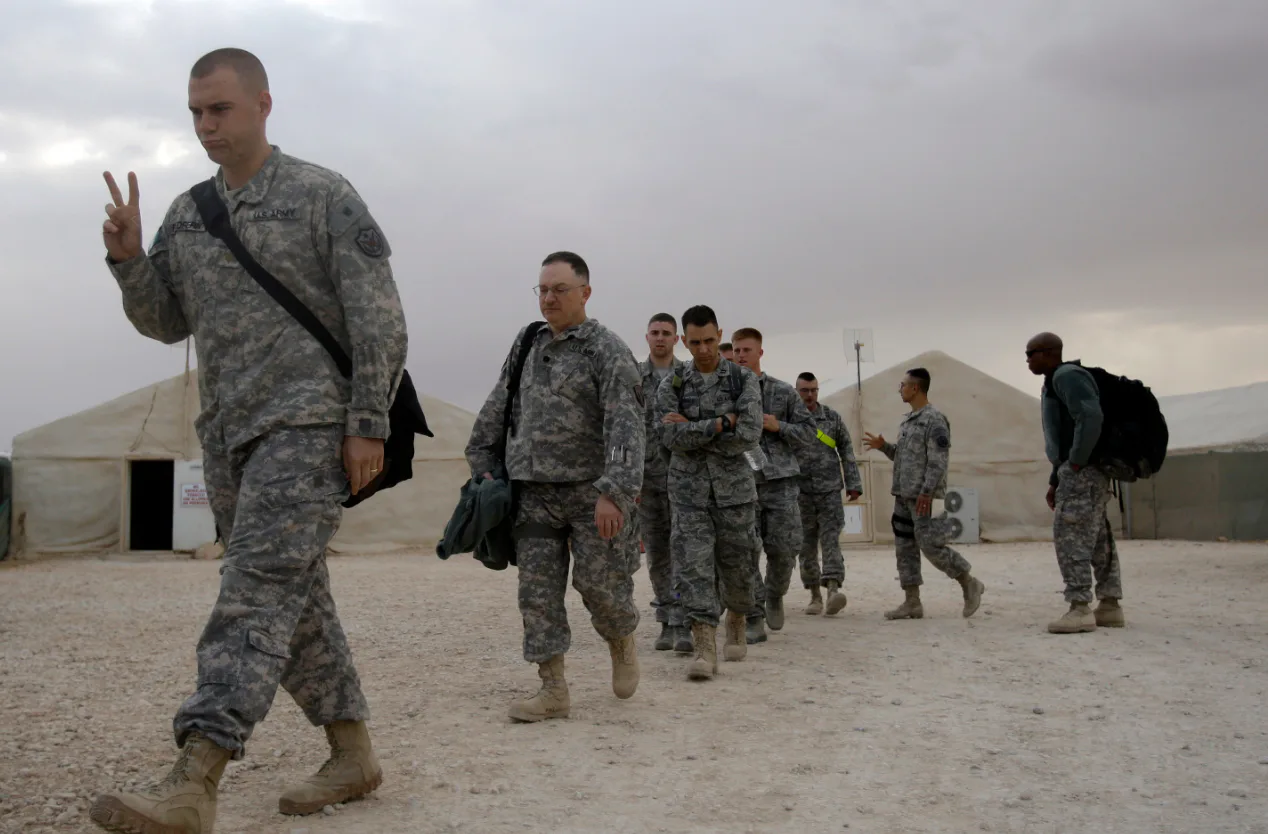
The United States is on track to finish withdrawing its troops from Iraq by September 30. While hundreds of American soldiers are still stationed there, concerns linger over the disarmament of Iran-backed paramilitary groups that resist the Iraqi government’s directives.
Current Troop Deployment and Future Plans
As it stands, U.S. military personnel are primarily located in Iraq’s semi-autonomous Kurdistan region. A U.S. official has indicated that the troops will largely be redeployed to Jordan and other nearby nations. Alongside the withdrawal, essential military equipment, including air defense systems, will also be removed from the region. This departure aims to pave the way for a new chapter in U.S.-Iraq relations, potentially transitioning into a “normal bilateral security cooperation” agreement, although the exact format of this relationship remains undecided.
Challenges with Armed Groups
The Iraqi leadership has tied the conclusion of the U.S. military presence to the disarmament of non-state armed groups. However, many of these factions have made it clear that they have no intention of relinquishing their arms. Such resistance poses a significant obstacle to establishing a stable security environment in the country.
Following the start of the U.S.-Israel conflict with Iran on February 28, pro-Iran Iraqi militias have targeted facilities linked to U.S. interests both in Iraq and abroad. These groups have displayed an alarming tendency to coordinate attacks with allied factions, such as Yemen’s Houthis, particularly during assaults on Saudi territories. This collaboration underscores a complex threat landscape stretching beyond Iraq’s borders.
Security Implications Post-Withdrawal
As the U.S. prepares for a full troop withdrawal, military officials are increasingly concerned about the potential for these Iranian-aligned groups to continue their operations. The capability to attack targets in neighboring nations—including Saudi Arabia, Jordan, and Israel—remains intact, raising serious security implications for the region. Despite these concerns, Washington is steadfast in its plan to complete the troop withdrawal by the end of September.
The ongoing tensions and lack of compliance from paramilitary groups last seen as subservient to government authority highlight the fragility of Iraq’s security situation. The challenge will be to navigate this tumultuous environment without a substantial U.S. military presence, something that will require careful diplomacy and strategic thinking.
In conclusion, the upcoming U.S. troop withdrawal from Iraq represents not just a logistical shift but also a potential pivot point in the Middle East’s complex geopolitical landscape. The actions of Iran-backed armed groups will be critical to watch, as they could significantly influence regional stability in the months to come.