
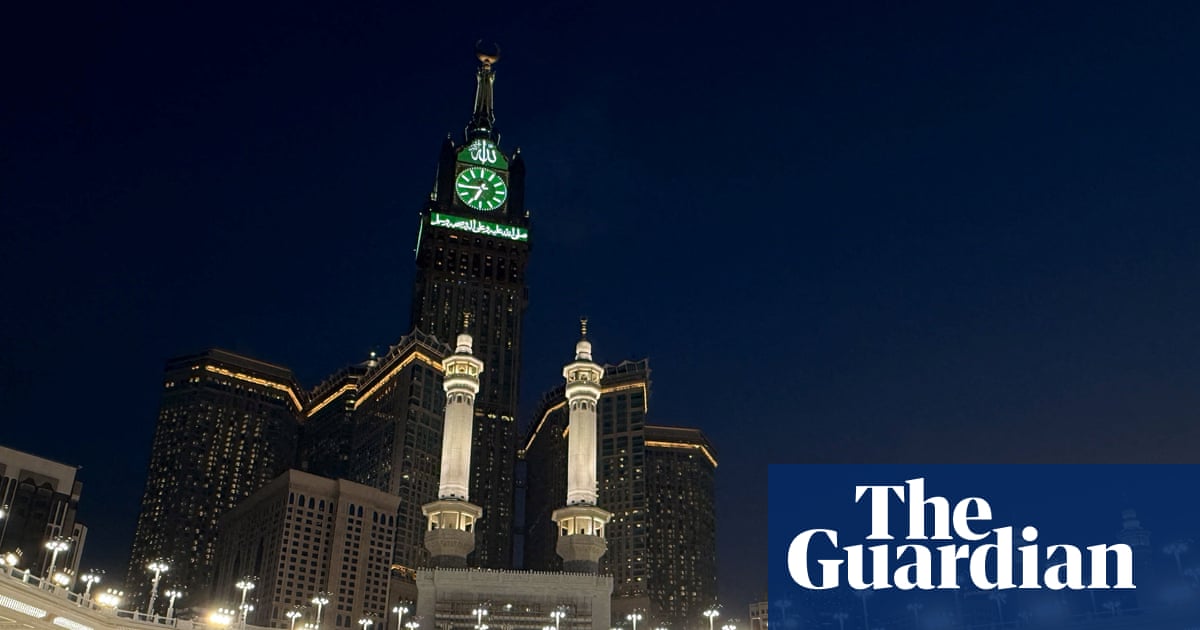
On Tuesday, Saudi Arabia successfully intercepted and destroyed a Houthi drone headed towards the vicinity of Mecca, averting potential threats to the city’s airspace. This operation highlights the ongoing tensions between Saudi Arabia and the Iran-backed Houthi movement, which has been engaged in a conflict within Yemen for several years. A spokesperson for the Saudi-led military coalition confirmed the incident, emphasizing the coalition’s commitment to protecting one of Islam’s holiest sites.
Threats to Pilgrimage Sites
The security of Mecca, which is not only the location of the Kaaba but also the focal point for millions of pilgrims during the annual Hajj, is a paramount concern for coalition forces. Coalition spokesperson Turki al-Malki articulated that any threat to the sanctity of Mecca is considered a “red line,” underlining the gravity of the situation. The protection of this revered city remains a top priority amid the ongoing military efforts against the Houthis.
Houthi Rejection of Claims
In response to the claims of a drone attack, a Houthi official dismissed the allegations, labeling them as fabrications intended to mislead public opinion. Hazem al-Assad, the Houthi spokesman, expressed disdain for what he called a “worn-out lie,” suggesting that such claims no longer resonate with the public. This back-and-forth highlights the deep-seated conflict and mutual distrust between the factions involved.
International Condemnation
The Organisation of Islamic Cooperation (OIC), a coalition of Muslim-majority countries, condemned the attempted assault on Mecca. Describing it as a “heinous” attack, the OIC attributed the act to the Houthis and criticized what they termed ongoing aggression against Saudi Arabia. Such statements reflect a collective stance among Muslim nations to safeguard the sanctity of religious sites from conflict-related threats.
Increased Security Measures
In light of the recent provocations, Saudi Arabia has heightened security alerts across the nation, particularly in Mecca and surrounding cities. This escalation follows a series of attacks by Iranian-aligned groups that further intensify the conflict in the Middle East. The protection of vital areas has become increasingly crucial, as the Houthis have made significant military advances, controlling crucial sections of Yemen’s Red Sea coast and jeopardizing key shipping routes.
The unrest showcases the complex dynamics at play, with implications that stretch far beyond the immediate region. Saudi Arabia’s responses are not just about protecting its borders but also ensuring the safety of religious activities that hold immense value for Muslims around the world. The conflicts surrounding these sacred sites represent a broader battle for geopolitical influence and security in the Middle East.
In conclusion, the recent interception of the Houthi drone serves as a reminder of the persistent volatility in the region. As tensions escalate, it is vital for the international community to pay attention to these developments, not only for regional stability but also for the protection of religious sanctuaries that represent peace and unity for millions globally.