
A recent statement from a military coalition led by Saudi Arabia alleges that the Iran-backed Houthi rebels have targeted the sacred city of Mecca. This claim has ignited widespread outrage across the Muslim community amid the escalating tensions in the Middle East. The coalition, engaged in an ongoing struggle against the Houthis in Yemen, underscores the gravity of the situation by emphasizing that any attack on the Two Holy Mosques is unacceptable.
Coalition’s Response to the Allegations
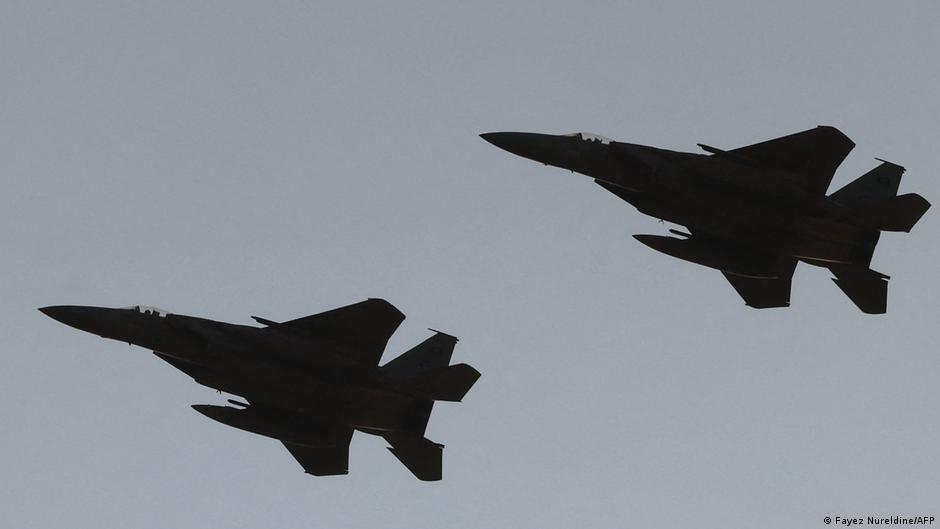
In response to the alleged drone attack, the Joint Forces Command of the coalition asserted that it views the security of Mecca as a “red line.” They stated that necessary actions would be taken against the Houthi militia if such provocations continue. The Royal Saudi Air Defense Forces reportedly intercepted and destroyed a drone before it could enter Mecca’s airspace, showcasing the kingdom’s commitment to protecting its sacred sites from threats. Prior alerts were also issued to citizens regarding potential attacks on Mecca and surrounding areas.
Houthi Denial of Allegations
The Houthis swiftly countered these claims, branding them as fabrications. Hazem al-Assad, a prominent member of the Houthi movement, dismissed the accusations as a “worn-out lie,” aimed at discrediting their struggle. The Organization of Islamic Cooperation (OIC), representing 57 Muslim nations, condemned any infringement on the sanctity of holy sites, calling it a transgression that requires immediate action against the perpetrators. Their statements further illustrate the significance of these sites to billions of Muslims worldwide.
Underlying Conflict Between Saudi Arabia and Houthis
The ongoing conflict in Yemen has profound implications for Saudi Arabia, particularly as Houthi strikes have extended into Saudi territory. Recent attacks resulted in injuries for several individuals, adding to the escalating crisis since hostilities intensified this past July. This includes significant confrontations in strategic regions such as the Bab el-Mandeb Strait, where the Houthis have blocked Saudi oil shipments—an action that complicates the kingdom’s economic interests further.
On top of this, Saudi Arabia is under rising pressure. In the face of increased Houthi aggression, Crown Prince Mohammed bin Salman has sought alliances, notably reaching out to Egypt to strengthen defenses against the militia. The situation is fueling concerns over maritime security in vital channels like Hormuz and Bab al-Mandab, which are critical for global trade and energy transport.
Implications for Global Stability
The escalating violence and retaliatory measures are opening new fronts in the already volatile Middle East landscape. Amid these tensions, the U.S. Embassy in Saudi Arabia has issued travel advisories for American citizens, highlighting the risks of armed conflict and potential Iranian targeting of U.S. interests. This advisory serves as a stark reminder of the broader geopolitical stakes involved in the ongoing Saudi-Houthi conflict, with repercussions that could extend beyond the region itself.
This situation underscores the intricate complexities of Middle Eastern geopolitics, where religious sentiments, territorial disputes, and external interventions intertwine to create a volatile and unpredictable environment. As the conflict evolves, it will continue to demand close attention from global observers and policymakers alike.