
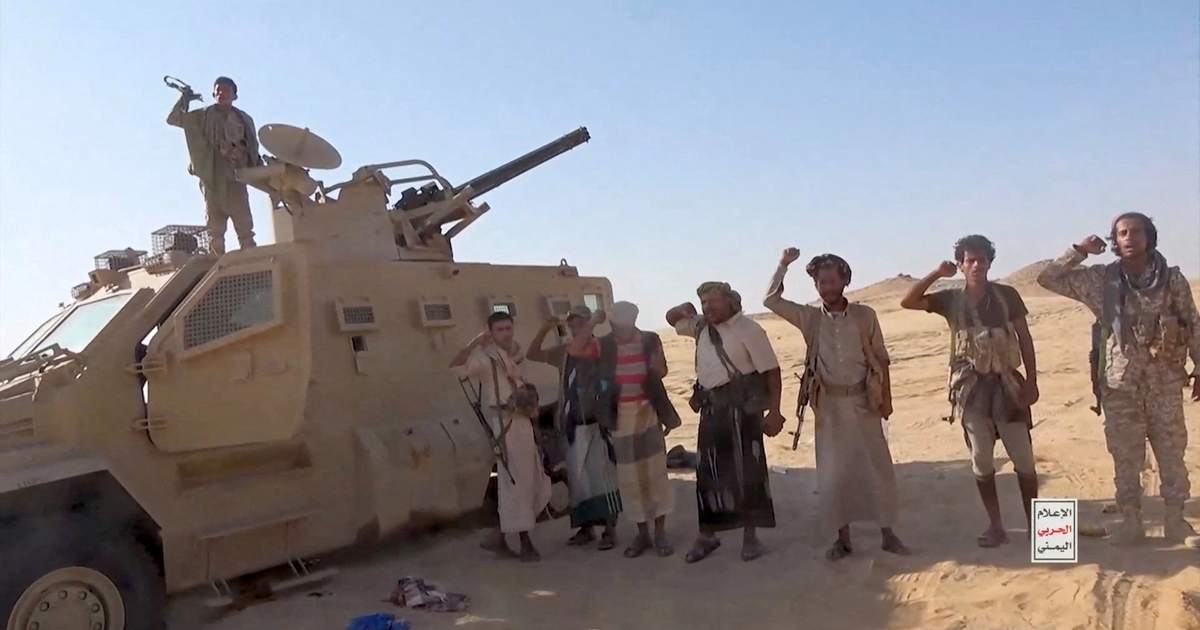
Saudi Arabia is adopting a firmer military stance as efforts to ease tensions with Iran falter. In pursuit of de-escalation, Riyadh is increasingly wary that a broader conflict could undermine the regional stability essential for its ambitious economic goals.
Postponed Discussions and Growing Frustration
A scheduled meeting this week between Iran and Gulf states regarding safety measures in the Strait of Hormuz has been delayed at Saudi Arabia’s request. This postponement echoes Riyadh’s frustration with persistent attacks from Iran-aligned groups. Now, the kingdom finds itself weighing various options, none of which are particularly appealing. Although Saudi Arabia wishes to avoid an outright war, the Houthis are seemingly testing the kingdom’s resolve and patience.
The former information minister of Kuwait, Saad bin Tefla Al Ajmi, noted that while Saudi Arabia has shown restraint, its military options are still on the table. This restraint underscores what is at stake for the kingdom; years of striving to stay out of direct conflict with the Houthis hinge on maintaining regional stability, which is vital for its economic transformation. Al Ajmi reiterated that without stability, both development and prosperity remain elusive.
Escalating Houthi Threats and Challenges for Saudi Arabia
Houthi incursions into Saudi territory, along with advancements along Yemen’s Red Sea coast, are forcing Riyadh into a precarious position. Recently, missile and drone attacks attributed to the Houthis injured civilians in cities like Khamis Mushait and Abha. Al Ajmi posits that if Saudi Arabia chooses to deploy its air superiority effectively, it may be able to recuperate some lost territory, given that Houthi forces in coastal areas are particularly vulnerable.
Since 2015, Saudi Arabia has led a military intervention against the Houthis, but a UN-brokered ceasefire has significantly curbed hostilities since 2022. Yet, the kingdom’s desire to stay out of a full-scale war in Yemen could be jeopardized if the Houthis continue to test its limits.
Possible Overreach by the Houthis
The dynamic landscape in Yemen raises questions about the Houthis’ territorial gains. They have taken control of significant areas, while Saudi-backed forces regroup to reclaim these lost territories. Alberto Fernandez, a former senior US diplomat, believes the Houthis might be overextending themselves, perhaps setting the stage for a potential loss of their recently acquired territories.
Fernandez warns that the Houthis’ arrogance and ideological motivations could lead to mistakes. Their miscalculations could push Saudi Arabia towards military options the kingdom has long sought to avoid. However, the Houthis are also banking on both Saudi Arabia and the United States hesitating to deepen their involvement in the conflict.
Seeking Alternatives and Global Implications
As the U.S. weighs its options, Saudi Arabia is exploring other avenues for support. British Prime Minister Andy Burnham is reportedly considering Saudi requests for military and diplomatic backing against the Houthis, amid worries about the broader implications of an escalating conflict. The ongoing strife is affecting not just Yemen, but also critical maritime routes around the Red Sea and Bab el-Mandeb, making the stakes even higher.
As Houthi attacks disrupt Saudi energy infrastructure, oil markets face upward pressure. Brent crude prices have already surged above $108 a barrel due to these tensions, thereby further complicating the situation. The U.S. and its allies may find it increasingly necessary to intervene if the conflict escalates, creating an unexpected alignment of interests against Iran.
The geopolitical landscape remains fluid, and the complexities of managing military and diplomatic responses challenge Saudi Arabia as it navigates this precarious situation. As Iran’s influence often seems to grow, the South Asian kingdom must balance its options to mitigate risks that could potentially escalate the conflict further.