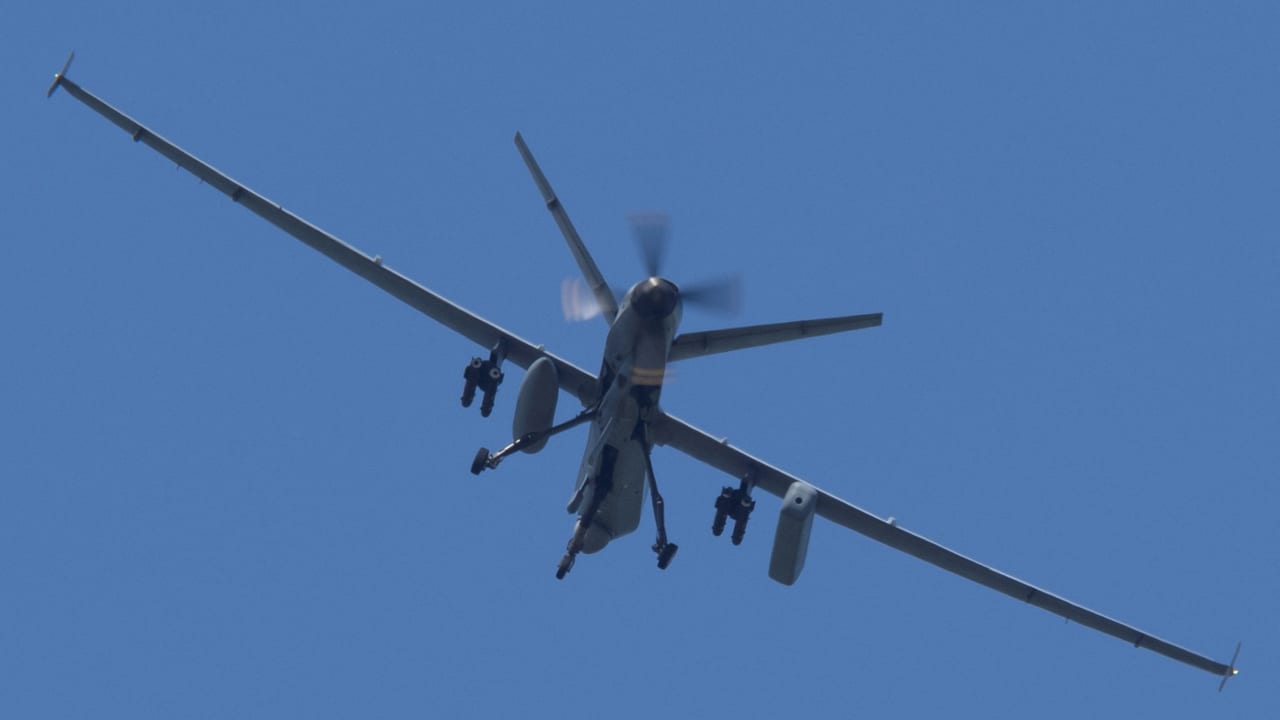
The United States has faced significant losses in unmanned aerial vehicles (UAVs) amidst ongoing conflicts in Iran, according to a recent report submitted to Congress. The MQ-9 Reaper drones, often regarded as critical assets in modern warfare, have suffered a notable decrease in operational integrity due to increased engagements. This situation raises questions about the longevity and efficacy of these drones in contemporary combat scenarios.
The Rise and Fall of the Reaper Drone
The MQ-9 Reaper and its predecessor, the MQ-1 Predator, have historically played pivotal roles in transforming U.S. military operations from simple reconnaissance to active strike missions. Originally deployed for intelligence and surveillance, these drones have evolved into robust combat systems, showcasing America’s technological prowess. However, the increasing rate of losses, particularly in conflicts such as those in Yemen and Iran, indicates a worrying trend: these once-fabled platforms are becoming more vulnerable and may be nearing obsolescence.
Despite their previous roles as symbols of U.S. air dominance, the Reaper’s increasing vulnerability poses a radical shift in perceptions of American military capabilities. Designed during a time of perceived global superiority, the drones now reflect the complexities of modern battlefields where air defenses are more prevalent and sophisticated. This deterioration in their status emphasizes a potential paradigm shift in warfare, suggesting that the U.S. may need to reassess its reliance on these larger UAVs.
Historical Significance and Technological Evolution
The initial phase of drone warfare began with the introduction of the Predator, which marked a significant innovation in air combat. Arming the Predator with Hellfire missiles represented a transformative moment in military history, allowing the U.S. to engage targets without putting pilots at risk. This shift not only minimized operational risks but also allowed for prolonged engagement in hostile territories without direct human involvement. The operational success of armed drones led to their prominent role in the War on Terror, further cementing their place in modern military strategy.
Despite the technological advancements exemplified by the MQ-9 Reaper, the military encounters in regions such as Iran have underscored the need for more adaptable and lower-cost alternatives. Reports suggest that the current drone models are not being replaced at a suitable rate to maintain operational effectiveness. The Air Force is exploring new platforms developed for mass production that can serve multiple missions at a reduced cost, aiming to avert the prohibitive losses witnessed with existing models.
Future of Drone Warfare: Innovations on the Horizon
In light of these challenges, the development of newer drones presents a potential pathway forward for the U.S. military. Companies like Swarm Aero have introduced lightweight drones designed for swarm tactics, allowing for engagement in higher numbers while minimizing costs associated with loss. With capabilities similar to the Reaper, these innovations aim to address the shortcomings of previous models without the hefty price tag.
Moreover, the evolving landscape of modern warfare requires a shift in munitions strategy as well. The demand for affordable missiles designed for mass production signifies a transition toward a more sustainable model of warfare, one adaptable to the lessons learned from conflicts in the Middle East and Ukraine. As the imperative for cheaper and more effective combat systems grows, the traditional reliance on platforms like the Reaper and Predator may inevitably decrease.
To conclude, as the operational environment continues to shift, the U.S. military is at a crossroads. The need for new technologies and strategies is more pressing than ever. By embracing innovation and adapting to the realities of modern conflict, the U.S. can redefine its approach to drone warfare, ensuring that it remains a formidable force in an ever-changing global landscape.