
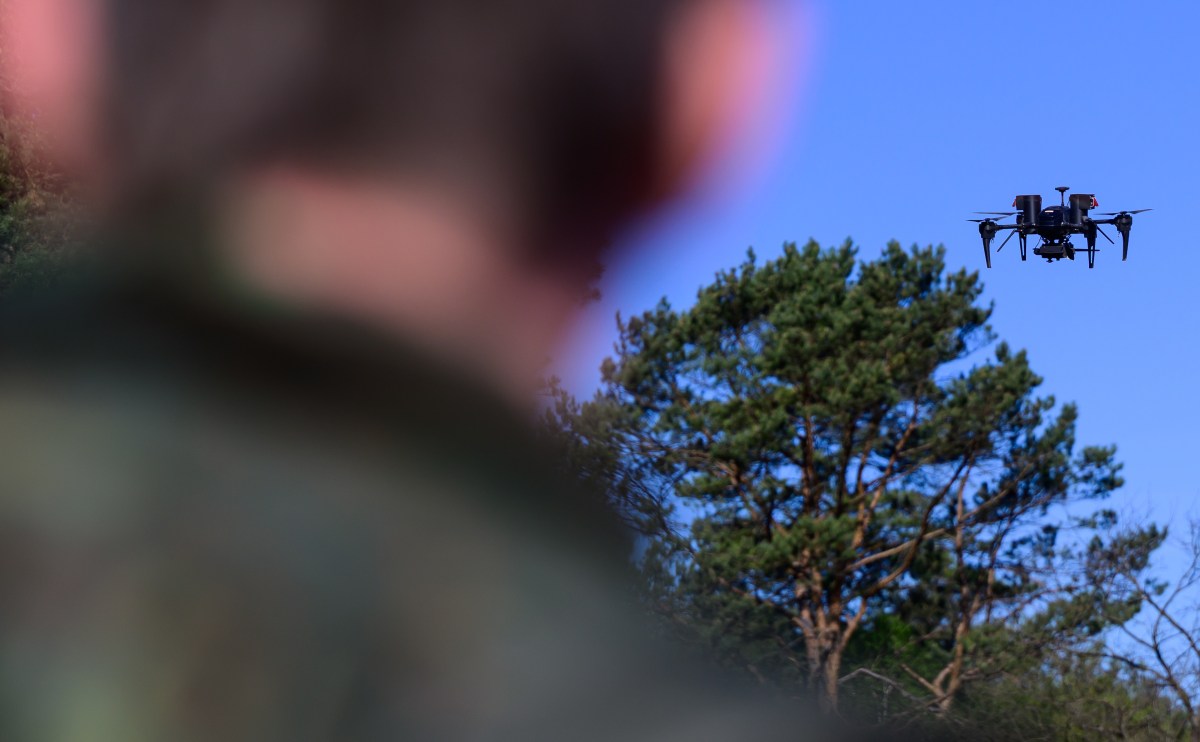
A recently revealed U.S. intelligence report indicates that Cuba has procured hundreds of military-grade drones, reportedly sourced from Russia and Iran. This alarming assertion has ignited a swift response from progressive leaders, who have drawn parallels between the current claims and the discredited intelligence preceding the Iraq War in 2003.
Current Intelligence on Cuba’s Military Capacities
According to a report by Axios, Cuba is believed to have acquired over 300 drones, which suggests an escalation in its military capabilities. Despite this, U.S. officials have stated they do not consider Cuba an immediate threat. Nonetheless, discussions among Cuban officials about potential strikes against U.S. installations, such as Guantanamo Bay and military vessels near Key West, reveal a willingness to consider aggressive military options under certain conditions. Experts emphasize that such discussions likely serve as deterrence measures rather than a declaration of intent to launch attacks.
In response to the report, the Cuban Embassy in the UK publicly condemned these assertions as fabrications. They argued that characterizing the situation as a drone threat is part of a broader attempt to justify U.S. hostility towards Cuba. Moreover, they asserted Cuba’s right to self-defense, echoing international law principles, and criticized the framing of their military preparations as aggressive.
Regional Tensions and U.S. Remarks
This report emerges amid heightened regional tensions, particularly prompted by comments from former President Donald Trump. He suggested that U.S. military intervention in Cuba could occur almost immediately, contingent upon the winding down of operations in Iran. This rhetoric, coupled with new sanctions measures aimed at Cuba, represents a significant shift in U.S. policy toward the island nation and reflects ongoing antagonism that spans decades.
While U.S. intelligence warns of potential actions from Cuba, officials also acknowledge that the island’s operational capabilities remain largely untested. Though 5,000 Cuban individuals are believed to have participated as mercenaries in the Ukraine conflict alongside Russian forces, U.S. sources noted that Cuban drone capabilities do not pose a substantial threat, indicating that the country lacks modern fighter jets.
Concerns Over Potential Conflict and Historical Precedents
The release of this intelligence has drawn swift criticism from various commentators. Many leftist voices have pointed to the 2003 Iraq War as a cautionary tale against manufacturing consent for conflict. They argue that prior claims regarding Iraq’s weapons of mass destruction were based on selective intelligence that misled the public. This historical parallel raises concerns about how the current narrative might be employed to justify further military actions against Cuba.
Progressives have expressed mistrust regarding the claims being made about Cuba, perceiving them as political maneuvers rather than genuine national security concerns. Former officials have echoed these sentiments, warning against the potential consequences of jumping to military interventions based on misleading intelligence.
The Road Ahead: Congressional Scrutiny and Policy Implications
In the aftermath of the report, U.S. officials have not yet outlined specific military or policy reactions. However, there is anticipation that Congress will demand thorough interrogations of the intelligence claims, especially given the sensitive nature of the topic and the potential for public skepticism akin to the lead-up to the Iraq War. Lawmakers from both sides of the aisle may seek additional briefings and information to verify the credibility of the data.
As the U.S. evaluates Cuba’s capabilities, it will likely also consult with regional allies to assess the implications of these drone acquisitions. The unfolding situation remains delicate, raising questions about how history may repeat itself and what steps the administration may take in response to perceived threats.