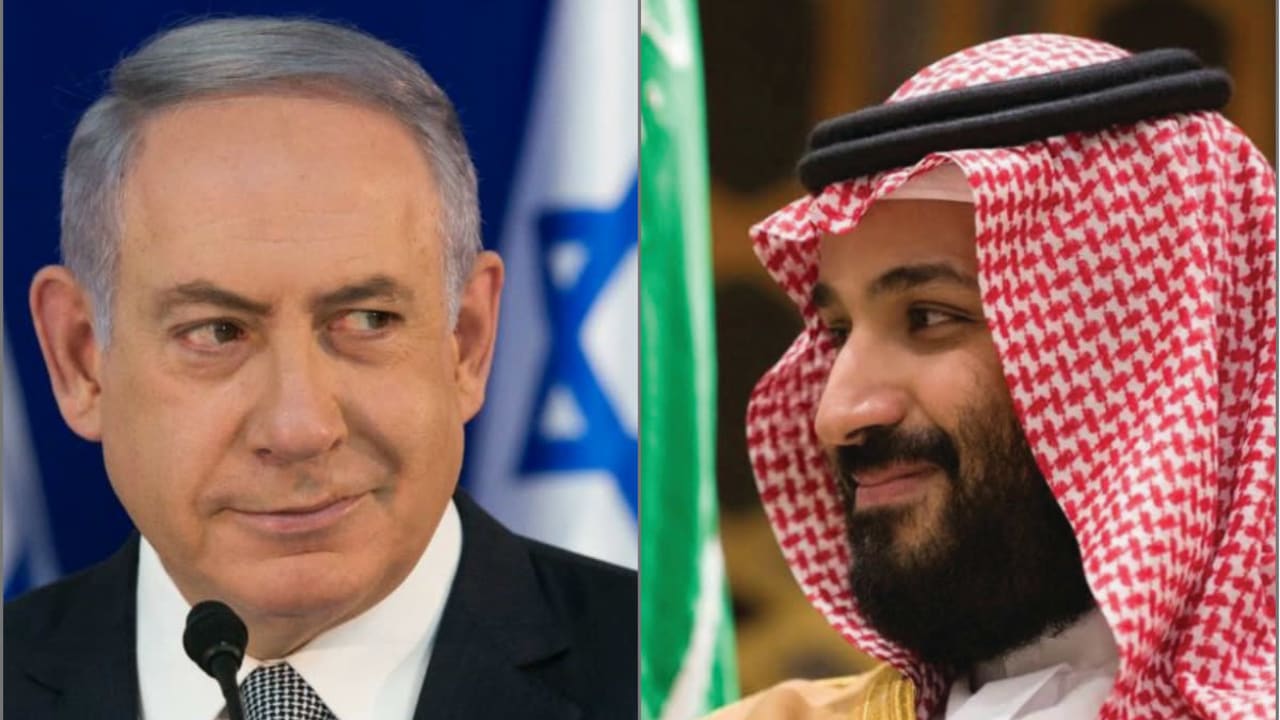
Hamas’s attack on October 7 was not aimed at undermining the emerging diplomatic relations between Israel and Saudi Arabia; it was conceived long before discussions of such normalization intensified. However, the consequences of this attack did indeed strain those ties, which Hamas likely views as a beneficial outcome.
### Impact on Saudi-Israeli Relations
Prior to the attack, the question surrounding the normalization of relations between Israel and Saudi Arabia seemed less about “if” and more about “when.” After October 7, Saudi Arabia adopted a tougher stance, making it clear that any agreement with Israel would hinge on substantial progress toward establishing a Palestinian state. This shift highlights the complex interplay of regional dynamics and the Palestinian issue, which remains a pivotal factor in any normalization efforts.
### Shared Strategic Interests
Despite recent setbacks, the strategic rationale for collaboration between Israel and Saudi Arabia remains intact. Both nations confront common adversaries and threats, including Iranian influence in the region. Their shared reliance on the United States for a cohesive security framework underscores the potential for cooperation. Ironically, regional hostilities ignited by the October 7 attack, such as the Houthis’ assaults on Saudi territory, may inadvertently reignite discussions of partnership between Jerusalem and Riyadh.
### Military Alignment and Intelligence Sharing
A recent meeting of military leaders from Israel, Saudi Arabia, and other Arab nations in Germany, organized by U.S. Central Command, suggests that military cooperation is evolving in discreet channels even if public acknowledgment is absent. These discussions factored in heightened concerns about Houthi aggression, particularly aimed at sensitive sites within Saudi Arabia, including Mecca. The need for mutual support may lead to a tightening of security collaboration.
### Necessity for Real Defense Capabilities
Even though Saudi Arabia has recently signed defense alliances with Pakistan and Turkey, these partnerships have failed to deliver the immediate military assistance needed to counter Iranian proxies effectively. Mere defense agreements lack the real-time intelligence and capabilities essential for neutralizing threats. Israel’s advanced technology and intelligence assistance are incredibly beneficial, as exemplified by its prior military support to the UAE during conflicts with Iran.
### Evolving Norms of Cooperation
Saudi officials have recognized that their immediate security needs can reshape the existing geopolitical landscape, making practical cooperation with Israel more viable, albeit discreetly. Reports suggest a positive relationship between Israeli and Saudi intelligence efforts, fostering an environment of trust, which could lay the groundwork for future normalization.
In conclusion, the interdependence arising from shared dangers, especially in light of Houthi activities, may compel Saudi Arabia to navigate its diplomatic constraints differently and possibly reconsider its stance toward normalization with Israel. This evolving narrative suggests that while overt discussions may be stalled due to political sensitivities, crucial security cooperation is likely underway, quietly altering the trajectory of Middle Eastern relations.