
France and other European nations must take decisive action to defend Ukraine’s airspace, as emphasized by MEP Raphaël Glucksmann. He urges for immediate involvement in intercepting threats from Russian drones and missiles that jeopardize Ukrainian cities.
A Call to Action for European Defense
During a recent plenary debate in Strasbourg, Glucksmann highlighted the inconsistency in Europe’s military responses. He pointed out that France had successfully intercepted Iranian drones aimed at the United Arab Emirates, questioning why the same dedication is not being applied to defend Ukraine. “How many more statements will it take before we act? We cannot simply stand by as Ukrainian infrastructure faces relentless bombardment,” he stated, advocating for an urgent change in policy to protect the skies over Kyiv and Lviv similarly.
Glucksmann’s critique extends beyond mere rhetoric; he challenges the legitimacy of Europe’s hesitance. He insists that Ukraine’s geopolitical importance is on par with that of the UAE. “Are we implying that the security of Abu Dhabi is more critical to Europe than that of Ukraine? It’s time to end this double standard. If we genuinely aspire to help Ukraine, we must defend its airspace,” he asserted. His comments resonate in the current climate where military inaction could lead to dire consequences for Ukraine.
European Military Readiness
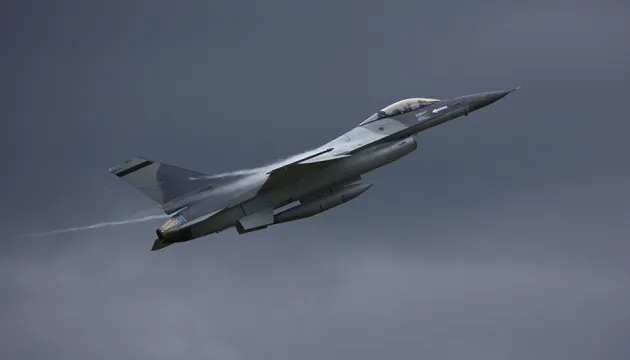
France’s recent military engagements serve as a strong precedent. In March, French Rafale jets completed a defensive operation against Iranian drones targeting the UAE, reinforcing the idea that Europe is capable of militarily confronting threats outside its borders. Glucksmann rightly asks why similar military support has not been extended to Ukraine given the escalating threat from Russia. International media reports confirm these interceptions, reiterating that Paris has supported its partners without formally entering the conflict against Iran. This raises questions about Europe’s collective stance on external threats and the willingness to intervene in the face of aggression.
Moreover, as a high-profile candidate in the upcoming French presidential elections, Glucksmann’s pledges to prioritize Ukraine’s defense could influence the broader European strategy. His calls aim not only to rally support but also to awaken the European Union’s conscience regarding its role in global humanitarian crises, especially where democratic nations are under siege.
Global Implications and Regional Security
The hesitance exhibited by European nations can have far-reaching consequences. If Europe fails to act decisively, it risks undermining its own security. Historical events remind us that allowing aggression can embolden adversaries, challenging the stability of democratic nations. Lithuania’s recent experiences, including the interception of drones and the closure of airports due to security threats, should emphasize the ongoing risks Europe faces from an aggressive Russia.
As tensions escalate, Europe’s commitment to defending Ukraine becomes crucial not just for Ukrainian sovereignty but also for the continent’s collective security framework. The need for a unified military response is paramount, underscoring the necessity for transnational collaboration. Taking these necessary steps is not only a moral obligation but also a strategic imperative for safeguarding European interests.
In conclusion, Glucksmann’s passionate plea highlights the urgent necessity for Europe to adopt a proactive military stance in defense of Ukraine. The time for passive observation has passed; the moment to act is now. With the right approach, Europe can effectively stabilize regional security and contribute to broader international peace efforts.