
This week brought troubling updates regarding crude oil shipments from Saudi Arabia to Europe, revealing significant cancellations and delays. These developments underscore the ongoing uncertainties in the global oil market and the geopolitical tensions affecting supply chains.
Saudi Arabia’s Shipping Adjustments
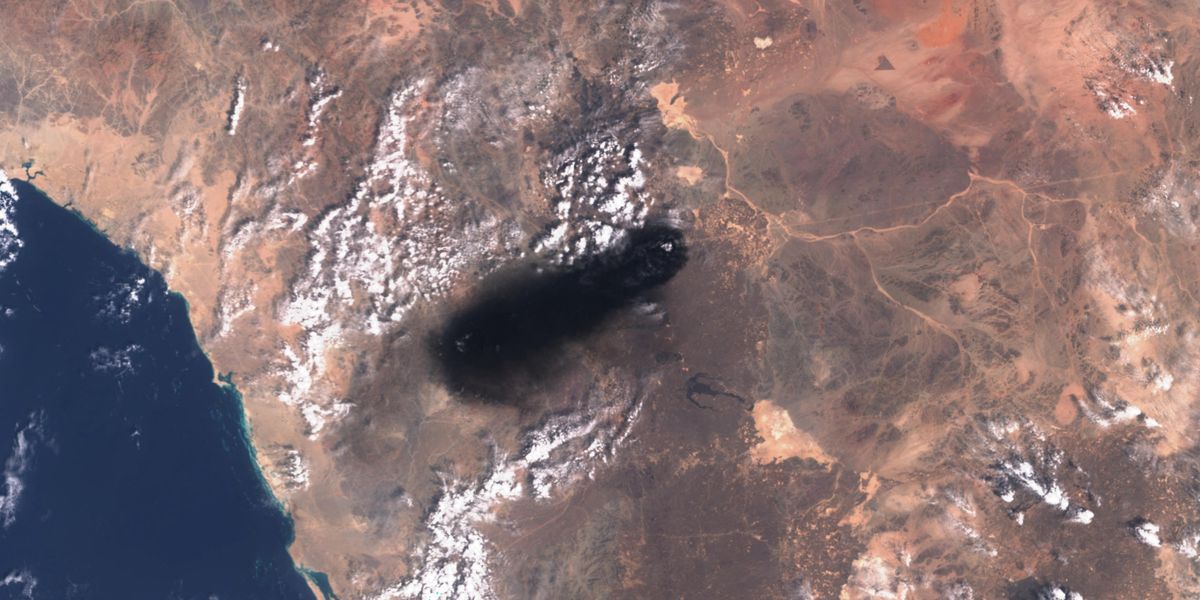
Reports indicate that Saudi Arabia is halting or postponing several crude oil shipments to European refiners for September, pushing deliveries to October or even November. This move comes on the heels of an attack on Saudi Arabia’s East-West pipeline, which authorities attributed to drone strikes from Iraq. Although preliminary assessments suggest that the Saudis aim to restore about half of the pipeline’s capacity within days, complete recovery could take up to six weeks, leaving the market vulnerable in the interim.
The geopolitical landscape further complicates transit routes, particularly with Houthi rebels gaining ground in Yemen. Their recent control over key territories near the Bab al-Mandeb strait poses additional threats to shipping in the Red Sea. The damaged pipeline was significant, transporting roughly 4 to 5 million barrels daily, thereby amplifying fears in an already strained oil market. Following previous signs of recovery through the Strait of Hormuz, the new disruptions have placed further pressure on crude prices, which have soared above $105 per barrel, climbing from $80 just weeks prior.
Strain on Oil Supply and Prices
As the oil market struggles to absorb these new shocks, it finds itself less fortified than in the early stages of the current crisis. The reserves on seaborne tankers have dwindled, and the U.S. Strategic Petroleum Reserve has released about 130 million barrels. During this time, China, the largest global oil importer, has increased its imports to 7.2 million barrels per day, up from 6 million in June, but still below pre-war numbers of nearly 12 million barrels.
The rising crude prices have had immediate implications for the cost of refined petroleum products. In the United States, diesel prices have surged to unprecedented highs, exceeding $6 per gallon. This increase stems not only from Middle Eastern turmoil but also ongoing conflicts in Europe, where the war between Russia and Ukraine disrupts energy supplies. Experts estimate that refined product exports from Russia and the Middle East have halved since February, creating a domino effect on global supply chains.
Global Impact on Diesel and Agriculture
The spike in diesel prices has severe repercussions for countries in the Global South, where diesel is a staple for transportation and agricultural machinery. Nations like India rely heavily on diesel due to the lower prevalence of personal vehicles compared to developed countries. Reports indicate that India sources more than half of its oil through the Red Sea, while the Philippines and Pakistan also depend significantly on supplies from Saudi Arabia.
In addition to immediate fuel costs, the renewed conflict in the Persian Gulf is affecting global fertilizer prices, which are crucial for food security. Experts suggest that while some increases in urea production have been managed in other regions, prices for phosphate fertilizers are under pressure due to supply chain disruptions. The potential for food shortages is worrisome, particularly as extreme weather patterns associated with El Niño could exacerbate agricultural challenges in 2027.
In summary, the economic and human costs of the renewed conflict in the Middle East are becoming increasingly evident. As pressures mount on oil supply and prices, the consequences of this geopolitical turmoil will likely reverberate across the globe, affecting both developed and developing nations.