
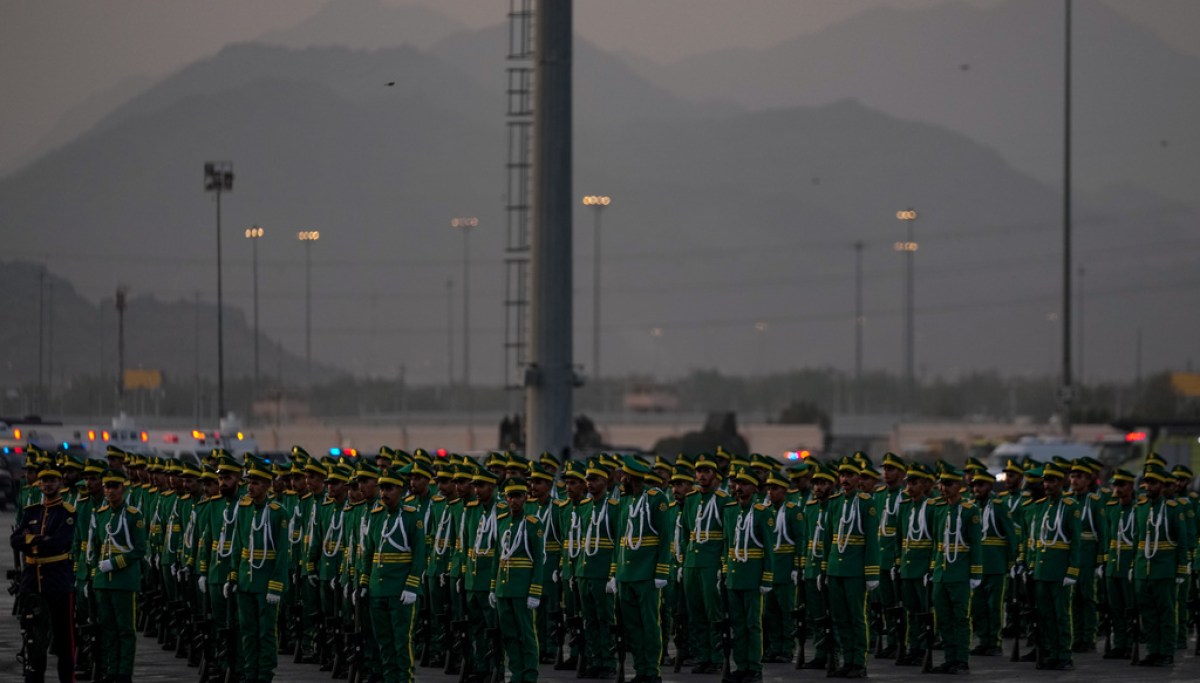
Saudi Arabia’s recent interception of a Houthi drone near Mecca raises urgent questions about the effectiveness of its security partnerships. This incident highlights the frailty of the “Mecca Pact,” which relies heavily on coalition with Turkey, Pakistan, and Qatar for regional stability. The threat posed by Houthi forces is a pressing reminder of the risks faced by the Saudi Kingdom, challenging the belief that external alliances can adequately safeguard its sovereignty.
Historical Missteps: Lessons from the Past
Islamic history provides valuable insights into the dangers of over-reliance on alliances. Take the Ottoman Empire’s experience in the 16th century; Sultan Suleiman the Magnificent pledged to safeguard the sacred sites of Sunni Islam. However, Ottoman forces often prioritized conquests in Europe over defending the Hejaz, leaving the region open to external threats. Today, Riyadh appears to be repeating this mistake by entrusting its security to allies who may not have the will or capability to confront Iran’s aggressive proxies effectively.
The Fragility of the Mecca Pact
A closer examination reveals the precariousness of the Mecca Pact. Pakistan is grappling with a staggering external debt of $130 billion and an alarming rise in domestic terrorism. On the other hand, Turkey walks a fine line, engaging in military trade with Riyadh while simultaneously deepening economic ties with Iran. Qatar’s military expenditure, although nominally supportive of regional integration, focuses more on funding Islamist movements rather than bolstering air defense systems. This blend of inadequacies illustrates that these partnerships may do little to ensure Saudi Arabia’s security.
A New Security Paradigm: The Abrahamic Security Alliance
Contrastingly, the Abrahamic Security Alliance, which includes Israel, the UAE, Morocco, and Bahrain, has shown a high level of effectiveness in countering Houthi aggression. This alliance successfully neutralized 97% of drone and missile attacks aimed at the region during recent conflicts. The success lies in the combination of Israeli technological capabilities and the geographical advantages offered by Gulf nations. For instance, the UAE’s deployment of Israeli radar systems demonstrates a proactive approach to monitoring and countering threats.
Time for Strategic Change
In light of these challenges, Saudi Arabia must adopt immediate and radical changes to its defense strategy. One essential shift involves the establishment of a “Deep Theater Command” within the U.S. Central Command. Such integration would facilitate real-time intelligence sharing between Saudi and Israeli forces, enabling them to act swiftly in high-stakes situations.
Furthermore, Riyadh is urged to invest in advanced defense technologies like Israel’s Iron Beam laser defense system, which can efficiently intercept Houthi drones at a fraction of the cost of traditional missiles. Collaborating on manufacturing in Morocco could ensure the Kingdom remains shielded while maintaining a semblance of regional neutrality.
Lastly, implementing a “Tihama Maritime Prosperity Initiative” to disrupt Houthi smuggling routes is crucial. By empowering local tribes along Yemen’s Red Sea coast, Saudi Arabia can create effective deterrents against armed infiltration. Such measures would mitigate the chances of drones making their way to Mecca.
In conclusion, the pressing nature of these threats compels Saudi Arabia to rethink its security strategy. Reliance on unreliable allies may lead to catastrophic outcomes. A combination of innovative military strategies and strategic partnerships with proven allies could help secure the Kingdom’s future against the specter of aggression and instability. The clock is ticking, and decisive action is essential to prevent devastating consequences in the region.