
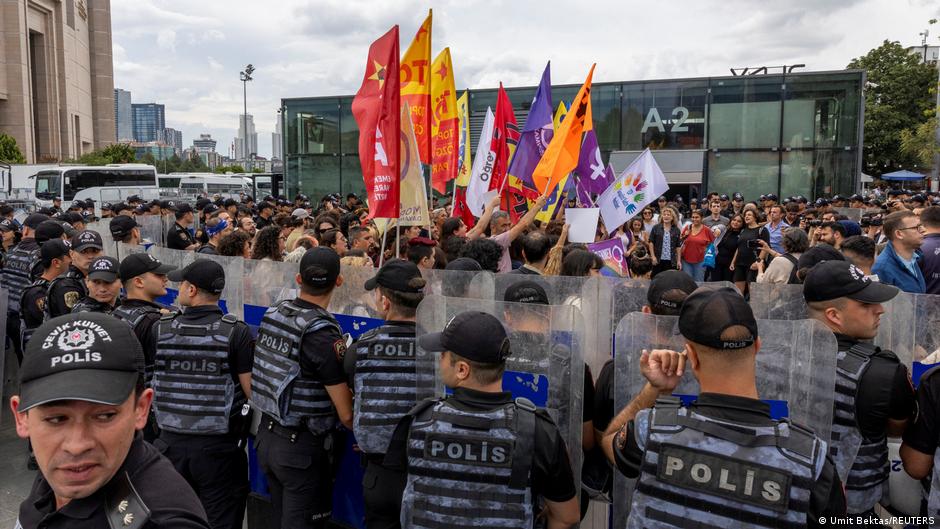
In recent weeks, Turkish authorities have intensified their crackdown on LGBTQ+ communities, culminating in the disruption of a pro-LGBTQ+ protest in Istanbul. This aggressive stance by the police has raised significant alarm among activists and human rights organizations, who argue that these actions are contributing to a broader pattern of silencing dissent and suppressing minority voices in the country.
Police Actions Against LGBTQ+ Rights
The recent police raids and detentions targeting LGBTQ+ activists signal a deeply concerning trend towards increased repression. Eyewitness accounts reveal that law enforcement moved swiftly to break up peaceful gatherings, which were intended to advocate for LGBTQ+ rights and visibility in society. The government justifies these measures by claiming they are necessary to uphold public order, yet the growing number of disrupted events suggests an underlying intent to stifle free expression.
Activists argue that these actions are not isolated incidents but part of a comprehensive strategy to undermine LGBTQ+ visibility and rights. The atmosphere has become increasingly hostile, which discourages individuals from openly expressing their identities or participating in community events. This not only impacts the LGBTQ+ community but also raises questions about the overall health of civil society in Turkey.
International Response and Concerns
The international community has voiced strong condemnation of Turkey’s approach to LGBTQ+ rights. Human rights organizations have called for greater scrutiny of the government’s actions and urged Turkey to respect its obligations under international human rights treaties. These calls for action underline the belief that the suppression of LGBTQ+ voices is a violation of fundamental human rights and constitutes a dangerous precedent for other marginalized groups.
Critics of the Turkish government argue that the recent raiding of protests is not merely a local issue but a symptom of a larger, systemic issue regarding freedom of speech. The government’s crackdown has implications that extend beyond the LGBTQ+ community, threatening the rights of all citizens to assemble and voice their opinions without fear of repression.
The Broader Implications for Civil Society
The increasing limitations on freedom of assembly and expression pose significant risks to the fabric of Turkish civil society. As authorities continue to restrict the activities of various groups, including LGBTQ+ advocates, the environment for civil discourse is greatly diminished. This trend may even contribute to a culture of silence where individuals refrain from raising their voices due to fear of reprisal.
Moreover, the crackdown on LGBTQ+ protests exemplifies a worrisome broader tendency to assert control over civil society, leading to feelings of alienation among various community groups. As individuals grapple with the implications of these policies, it is essential for both local and international advocates for human rights to remain vigilant and push back against the erosion of freedoms.
In conclusion, the situation for LGBTQ+ rights in Turkey is increasingly precarious, with government actions fueling concerns about civil liberties in general. The ongoing international attention highlights the importance of solidarity and advocacy for marginalized voices in every nation. As the global community monitors these developments, the fight for rights and freedoms continues to be crucial for the future of all individuals in Turkey.