
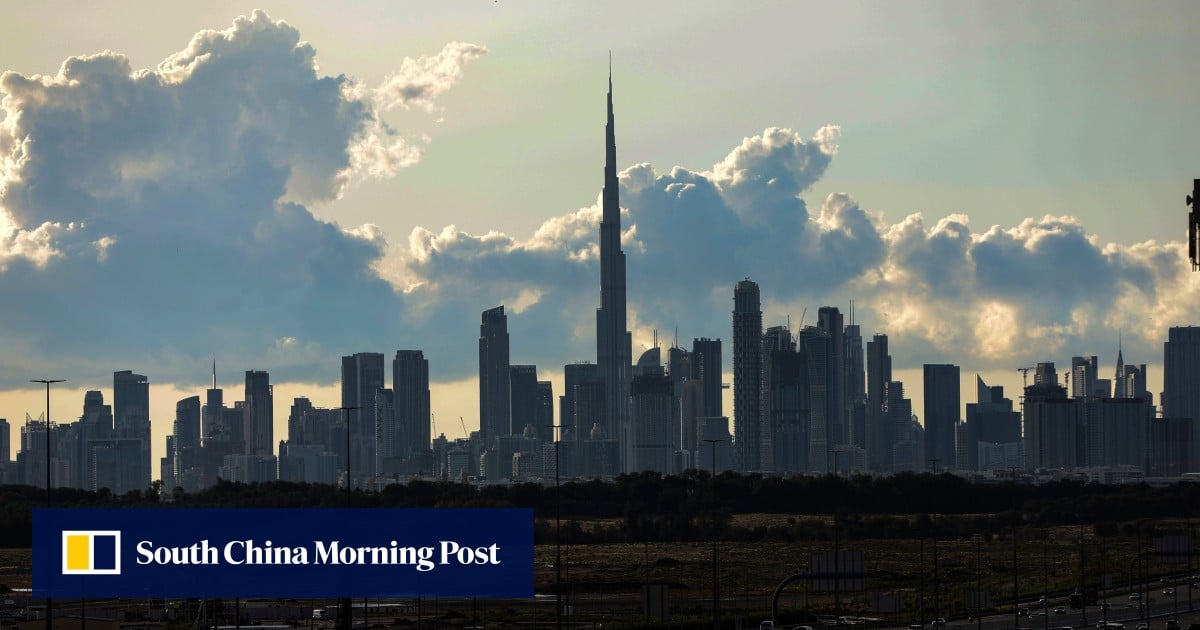
The United Arab Emirates (UAE) is rapidly emerging as a hub for artificial intelligence (AI) technology. With a focused strategy and investments in advanced technology, the UAE aims to serve as a bridge between the Global South and cutting-edge AI solutions, bolstered by recent acquisitions of innovative US-designed chips. However, these aspirations are framed by unique challenges, particularly growing hostilities in the region.
Strategic Investments in AI Technology
The UAE’s approach to AI development revolves around significant financial commitments to frontier technology in the United States. This dual-pronged strategy focuses on both investment and technological export. By investing deeply in US firms, the UAE not only enhances its own capabilities but positions itself to be a major player in the global AI landscape. Furthermore, there are plans to develop large language models that cater to markets underrepresented by Western platforms, creating an opportunity for the UAE to carve out its niche.
The recent acquisition of Nvidia Blackwell Ultra data center GPUs marks a monumental step in realizing this vision. This move follows the authorization granted by Washington for the export of these advanced graphics processing units. Such developments signify that the UAE is not just passively waiting for technology but proactively seeking to implement and adapt it for its strategic goals.
Navigating Regional Challenges
Despite its ambitions, the UAE’s path to becoming an AI leader is not without obstacles. The backdrop of the ongoing US-Israel conflict with Iran poses a threat to the country’s technological infrastructure. Specifically, the Islamic Revolutionary Guards Corps in Iran have made repeated attempts to target Emirati data centers, which raises serious concerns for the UAE government. In response, UAE officials are keenly aware of the need to bolster defenses and ensure the resilience of their emerging AI landscape.
Yousef al-Otaiba, the UAE’s ambassador to the United States, highlighted this urgency during a recent technology expo in Washington. He asserted that the UAE is learning to “build in a dangerous neighborhood,” emphasizing the need to reinforce vulnerabilities that have been exposed. As a result, strategic adaptations are being prioritized to secure technological initiatives against any potential threats.
Developing a Sustainable AI Ecosystem
The UAE’s long-term AI vision encompasses not only the acquisition of advanced technologies but also the establishment of a robust local ecosystem. A commitment to developing homegrown AI solutions, alongside partnerships with international companies, creates a balanced growth model. By fostering an environment conducive to innovation, the UAE aims to be a leader in deploying AI technologies that can solve pressing issues faced by countries within the Global South.
This ambition is supported by indications from AI experts, like Vincent Charles from Queen’s University Belfast, who point to tangible evidence that the Emirati government is not just setting out a plan but is already in the execution phase. The UAE seeks to dominate in AI deployment, aiming to become a key infrastructure provider for a range of countries looking to adopt this transformative technology.
In conclusion, the UAE’s rapid adoption and development of AI are embedded within a framework of strategic investments and resilience in the face of regional challenges. By leveraging advanced technology while ensuring local adaptability, the UAE is poised to transform into a major AI player, bridging the gap between the Global South and innovative tech solutions.