
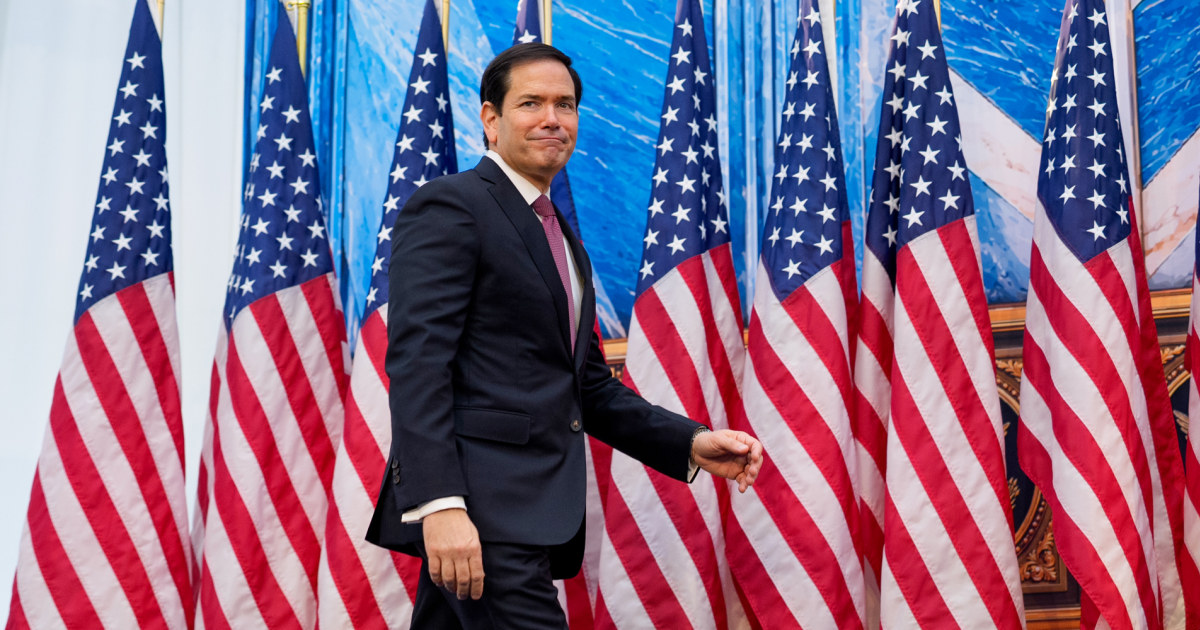
In recent political discussions, the U.S. Secretary of State has managed to steer clear of the ongoing discontent surrounding a contentious war. This intentional distance has raised eyebrows but may ultimately prove strategic for his political future. Those in his circle suggest that he might be contemplating a presidential bid or potentially transitioning into the private sector.
Strategic Distance from Controversy
The Secretary’s approach of avoiding direct engagement with the war’s controversies is noteworthy. By stepping back, he not only protects his political standing but also allows others to take the heat for unpopular decisions. This tactic could serve him well, particularly as public sentiment towards the war continues to falter. It raises questions about the ethical implications of such a strategy, yet in political arenas, distancing oneself from unfavorable situations can sometimes yield favorable outcomes.
Speculations on Future Aspirations
Amidst this political maneuvering, speculation is rife regarding his next steps. A run for the presidency is not an outlandish idea, especially given the current climate, where voters may be searching for a fresh narrative. An outsider’s perspective could bolster his appeal to constituents disillusioned with conventional political rhetoric. Those close to him indicate that he is not just passively observing; he is also evaluating how the evolving landscape may align with his ambitions.
Potential Transition to the Private Sector
Alternatively, a pivot to the private sector could provide a lucrative escape route. Many former high-ranking officials have successfully transitioned to lucrative roles in the business world, leveraging their experience and connections. This path offers not only financial rewards but also the chance to influence new sectors, possibly even making a return to public service with a stronger foothold in the business community.
Navigating Public Perception
One of the biggest challenges for the Secretary is managing public perception as he treads these waters. While political maneuvers can be strategic, they can also backfire if the public perceives him as out of touch or evasive. Transparency and authenticity will be key as he navigates this complex landscape, with voters increasingly favoring candidates who demonstrate an ability to connect with their concerns and challenges.
In conclusion, the Secretary of State’s current strategy reflects a broader trend in political behavior where distance can equate to safety. As he weighs the options of a presidential bid or a move to the private sector, the decisions made in this period will be pivotal in shaping both his legacy and the political landscape. As speculation continues to mount, it remains clear that his next steps will significantly influence public sentiment and his prospects for future leadership roles.