
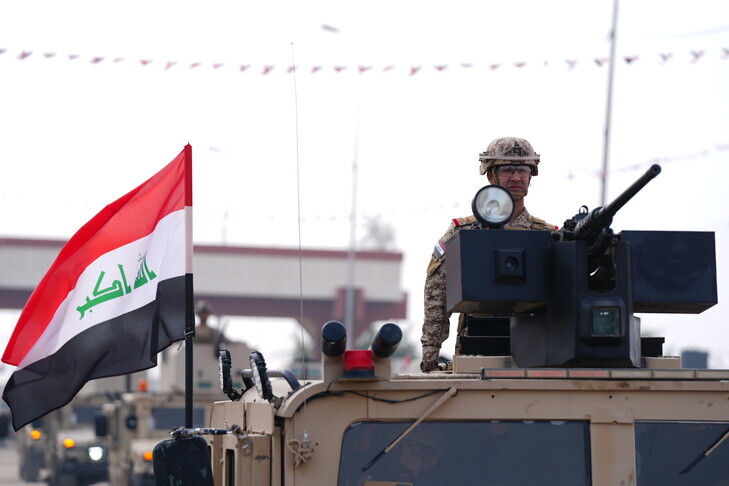
Iraq’s Commitment to National Security
In a clear indication of its priorities, Iraq has reaffirmed that it will not permit its territory to be utilized as a staging ground for attacks against other nations. This statement, made by a military spokesperson, highlights the government’s focus on maintaining domestic stability while navigating the complex landscape of regional tensions.
Policy of Non-Intervention
During an interview with the Iraqi News Agency (INA), Sabah al-Numan, the spokesperson for the nation’s armed forces, articulated the government’s commitment to avoiding involvement in both regional and international conflicts. This approach aims to ensure that Iraq remains a sovereign nation without external pressures jeopardizing its stability. The overarching goal is to maintain peace and security within the country, preventing the spillover of conflicts from adjacent regions.
State Control of Weapons
Al-Numan emphasized that consolidating the control of weapons within state authority is a fundamental component of Iraq’s security strategy. He described this measure as essential for curbing armed activities that fall outside the boundaries of legal governance. By enforcing strict regulations on arms, the Iraqi government seeks to create a safer environment, free from the threats posed by unauthorized militias and groups.
Protection from External Influences
The spokesperson further asserted that Iraq would not tolerate interference from foreign nations regarding its internal matters. This position reflects the country’s desire for self-determination, allowing it to navigate internal challenges without external meddling. As regional crises continue to unfold, Iraq remains focused on shielding itself from potential repercussions that could destabilize the nation further.
The Commitment to Reform
In a broader context of reform, Prime Minister Ali Al-Zaidi made significant pledges aimed at boosting national security. He has committed to bringing all weapons under state control, a move that aligns with the government’s strategy to enhance public safety. This initiative is expected to play a crucial role in restoring order and fostering trust among the Iraqi populace, who have long felt the impacts of insecurity and conflict.
As Iraq endeavors to reinforce its borders and maintain peace, the emphasis on state authority over arms management will be critical. By prioritizing national unity and security, the Iraqi government aims to create a more stable and resilient society in the face of ongoing challenges. The path ahead may be fraught with difficulties, but with a clear commitment to internal control and a rejection of external interference, Iraq appears poised to navigate its future with renewed determination.