
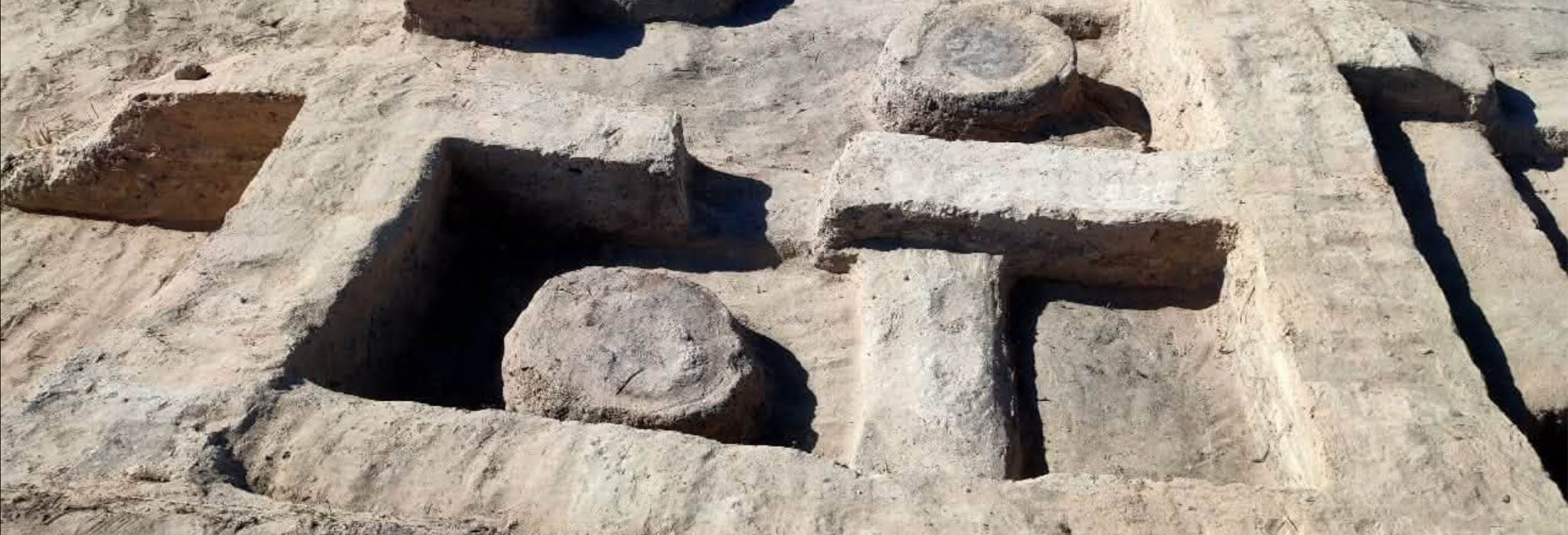
Excavation efforts at Tell Al-Abqain in the Beheira Governorate, Egypt, have unveiled fascinating new insights into the region’s ancient history. This archaeological site, which has recently gained attention, is believed to date back to the New Kingdom period of ancient Egypt. As researchers delve deeper into this historic locale, they are unearthing structures and artifacts that promise to reshape our understanding of the era.
Discovery of Ancient Structures
Recent excavations at Tell Al-Abqain have led to the discovery of significant ancient structures, including walls, pottery, and tools. These findings suggest that the site functioned as a thriving community during its peak. The walls, made from mudbrick, provide evidence of complex architectural techniques used by ancient Egyptians. Furthermore, the presence of various artifacts indicates a rich cultural lifestyle, highlighting the daily lives of the inhabitants.
The discovery of pottery shards with distinct patterns and engravings is particularly noteworthy, as it reveals insights into the artistic and functional aspects of ancient Egyptian society. Such artifacts not only contribute to the understanding of trade and economy during the New Kingdom but also reflect the aesthetic values of the people. Scholars believe these items can help establish connections between different regions of Egypt and their trade networks.
The Significance of Tell Al-Abqain
Tell Al-Abqain’s archaeological importance extends beyond its material findings. The site has strategic significance for understanding the socio-political landscape of ancient Egypt. By analyzing these structures, archaeologists aim to gain insights into the administrative systems that governed the region. The location of Tell Al-Abqain suggests it may have been a hub for trade and governance, serving as an essential point for connecting various parts of the ancient Egyptian territory.
The ongoing research at Tell Al-Abqain also shines a light on the daily lives of common people, which is often overshadowed by the grand narratives of pharaohs and elite society. By focusing on the experiences of everyday individuals, archaeologists hope to uncover the broader social dynamics that shaped ancient Egypt. This approach enriches the historical narrative and offers a more nuanced understanding of the civilization.
Future Research and Preservation Efforts
As excavations continue, the challenge of preserving these newfound artifacts and structures is paramount. Archaeologists and conservationists are committed to employing advanced techniques to protect the integrity of these findings. Preservation efforts not only safeguard the site but also enhance the potential for future research. With ongoing excavations, Tell Al-Abqain promises to provide additional revelations about the ancient world.
The collaboration between local authorities and international researchers is critical for the site’s sustained success. Public interest in archaeological discoveries can lead to increased funding and support for preservation initiatives. The local community in Beheira has shown enthusiasm for the project, recognizing its potential to boost tourism and education about Egypt’s storied history.
In conclusion, excavations at Tell Al-Abqain offer a remarkable glimpse into the past, providing an opportunity to better understand the intricacies of ancient Egyptian civilization. As archaeologists continue their work, the hope is to uncover more treasures that will enrich our knowledge of historical societies and their contributions to the cultural fabric of humanity. The significance of this site cannot be overstated, as it invites both historians and enthusiasts to explore the legacy of a remarkable civilization.