
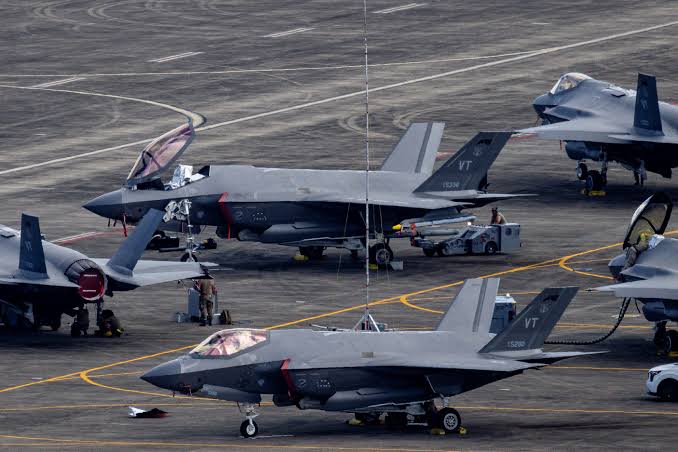
The recent approval by the United States of a potential $24.3 billion sale of 48 F-35 Lightning II fighter jets to Saudi Arabia signifies a significant shift in defense relationships between the two nations. This deal could reshape the military dynamics in the Gulf region, positioning Saudi Arabia as a pivotal player in advanced aviation technology within the Arab world.
The Sale Overview and Implications
The proposed arms package not only encompasses the fighter jets but also includes essential components like F135 engines, training assistance, logistics support, and secure communications systems. Before any final contract is signed, this sale is currently undergoing congressional review. This transaction would make Saudi Arabia the first Arab nation to operate the F-35, and only the second country in the Middle East, after Israel, to possess this advanced fifth-generation stealth fighter.
This development isn’t merely about acquiring advanced weaponry; it reflects years of Saudi interest and the deepening strategic partnership between Washington and Riyadh. The timing is crucial, as Saudi Arabia faces increasing missile and drone threats from Houthi rebels in Yemen and must manage pressure on its air-defense systems amidst rising instability in the region.
Enhancing Military Capabilities
For Riyadh, this potential purchase could drastically enhance its surveillance and electronic warfare capabilities, as well as its precision-strike options. Furthermore, this acquisition would promote greater interoperability with U.S. forces and other international allies. The anticipated arms deal underscores a significant shift in how Gulf nations are reassessing their defense strategies in light of evolving security challenges.
However, the approval of this deal raises important regional considerations. U.S. arms transfers with advanced technologies have traditionally been influenced by the need to maintain Israel’s qualitative military edge. Previous efforts to widen F-35 access to Gulf states have led to concerns regarding the protection of sensitive military technology, especially as these countries strengthen their ties with China.
Strategic Defense Reassessment
The Saudi case epitomizes a broader reassessment of Gulf defense priorities in a rapidly changing security landscape. In recent years, Saudi Arabia has been determined to bolster its defense capabilities against both conventional and unconventional threats. Concurrently, the U.S. appears open to enhancing Saudi Arabia’s involvement in the regional security framework led by Washington.
Moreover, this proposed sale comes amidst increasing discussions about the resilience of Gulf air defense systems. Long-standing regional conflicts have put immense pressure on interceptor stocks and strategic defense infrastructure, prompting a re-evaluation of military preparedness. Should Congress approve this agreement, it could define one of the most impactful defense collaborations in U.S.-Saudi relations to date, influencing future military strategies across the Gulf.
In a broader context, this arms deal indicates that the Middle East’s security order is undergoing transformation, influenced by not only ongoing conflicts with Iran and its proxies but also a long-term evolution in the defense postures of Gulf states. As these countries begin to align their strategic priorities with global powers, they are navigating an increasingly complex geopolitical landscape.