
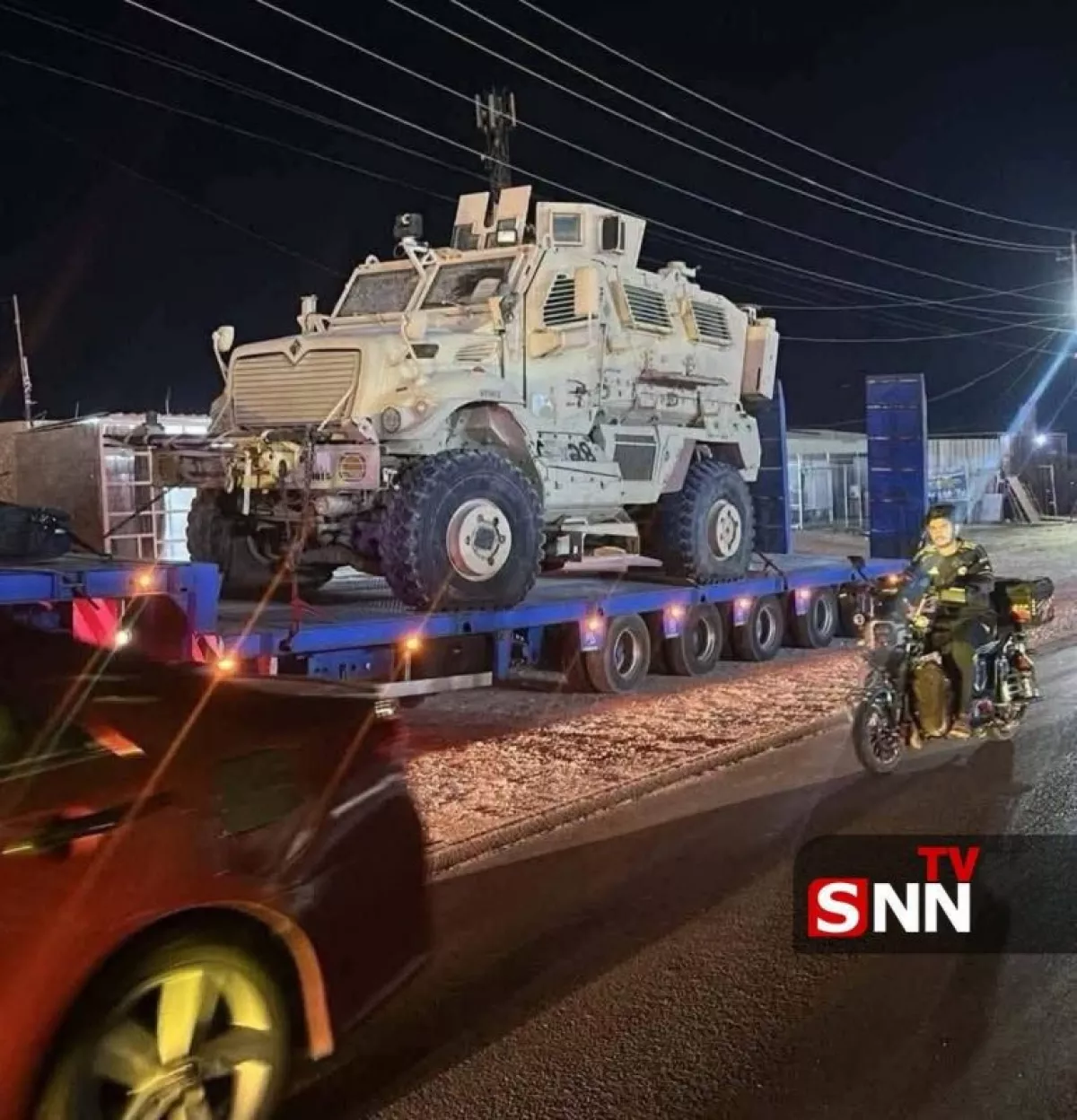
The United States is in the process of withdrawing its remaining forces from Iraqi Kurdistan, marking a significant turning point in its military engagement in the region. According to Iraqi officials, the complete exit of US troops from Iraq is projected to be finalized by September 30, 2026.
End of an Era: US Military Presence in Iraq
Iraqi Prime Minister Ali al-Zaidi has characterized September 30 as the definitive and irreversible date for concluding the international coalition’s mission against ISIL, accompanied by the complete withdrawal of its forces. This decision signifies the end of more than two decades of US military involvement in Iraq, a presence that began with the 2003 invasion aimed at dismantling Saddam Hussein’s government. The withdrawal illustrates not only a shift in US foreign policy but also the evolving landscape of security in the Middle East.
The Withdrawal Process Over Two Years
The process leading to this withdrawal began in earnest nearly two years ago, following an official request from the Iraqi government to the United States. In November 2023, Iraqi authorities formally requested the withdrawal of American forces, which initiated a series of negotiations between the two nations. By January 2024, discussions were underway, and a phased withdrawal agreement was finalized in September 2024.
The timeline has been carefully structured, with the aim of securing stability in Iraq while addressing the needs and concerns of both governments. As part of this agreement, President Joe Biden announced in 2024 that the US military mission in Iraq would conclude by 2026, a timeline that has remained consistent under subsequent administrations.
The Future of US-Iraq Relations
The reaffirmation of the withdrawal deadline came during Prime Minister al-Zaidi’s visit to Washington, where he met with Admiral Brad Cooper, the head of US Central Command. Their discussions underscored the importance of maintaining diplomatic relations even as military operations are scaled back. As the US military footprint in Iraq diminishes, the focus is expected to shift toward cooperation in other areas, such as economic development and counterterrorism efforts.
The exit marks not only a strategic shift for the United States but also a test for Iraq’s own security capabilities as it navigates its future without the added support of American military forces. The Iraqi government will now face the challenge of ensuring stability and security in the absence of this long-term military presence.
While the withdrawal signifies the end of a lengthy military engagement, it also opens a new chapter in US-Iraq relations. Both nations will need to work closely to address the complex security challenges that remain and foster an environment where Iraq can successfully govern itself amid regional instability. This transition will be closely monitored by political analysts and governments worldwide, as the implications of this change extend beyond Iraq’s borders.