
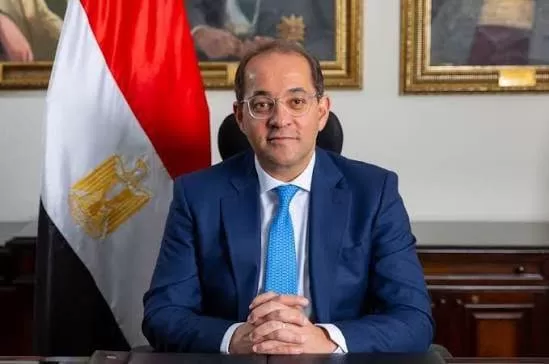
Egypt is implementing a fiscal strategy aimed at fostering economic growth, enhancing collaboration with the business sector, and prioritizing human development, as highlighted by Finance Minister Ahmed Kouchouk.
Building Trust with the Business Community
During the recent unveiling of the 13th edition of the Citizen’s Budget, Kouchouk emphasized the government’s efforts to cultivate trust within the business community. This initiative is being supported through a series of tax, customs, and real estate incentive programs designed to attract investment and stimulate economic activity. By creating a more favorable environment for businesses, Egypt hopes to drive sustainable growth and increase partnerships that can further elevate its economy.
Focus on Public Sector Wages
In an effort to bolster human development, the current budget features a significant increase in public sector salaries, with specific plans to enhance remuneration for workers in essential sectors such as health and education. The Finance Minister stated that funding for health and education is projected to grow at a faster rate, illustrating the government’s commitment to improving the quality of life for its citizens. By prioritizing investments in these critical areas, Egypt aims not only to uplift societal standards but also to create a workforce that is well-equipped to meet future challenges.
Driving Economic Competitiveness
The budget also allocates resources aimed at constructing a more competitive economy that is responsive to the demands of both citizens and investors. This aligns with Minister Kouchouk’s identification of four main fiscal policy priorities: stimulating economic activity, ensuring financial stability, supporting citizens, and formulating a cohesive strategy to enhance government debt metrics. Each of these priorities is interconnected, creating a framework for a resilient economy that can better withstand external and internal pressures.
Partnering with the Private Sector
According to Yasser Sobhi, the Deputy Finance Minister for Fiscal Policies, the budget has earmarked LE90 billion for economic initiatives focused on strengthening partnerships with the private sector. This significant investment includes LE48 billion dedicated to export rebates and support for exporters, LE6.7 billion aimed at bolstering tourism, and LE6 billion set aside for incentives that enhance industrial and agricultural capabilities. These allocations are strategically designed to stimulate growth across various sectors, promoting a diversified economy better suited for future advancements.
In summary, Egypt’s comprehensive fiscal policy aims to drive economic growth, forge stronger partnerships with the business community, and enhance the welfare of its citizens. By focusing on strategic investments in key sectors and maintaining financial stability, the government is positioning itself to navigate challenges while fostering a competitive and collaborative economic environment.