
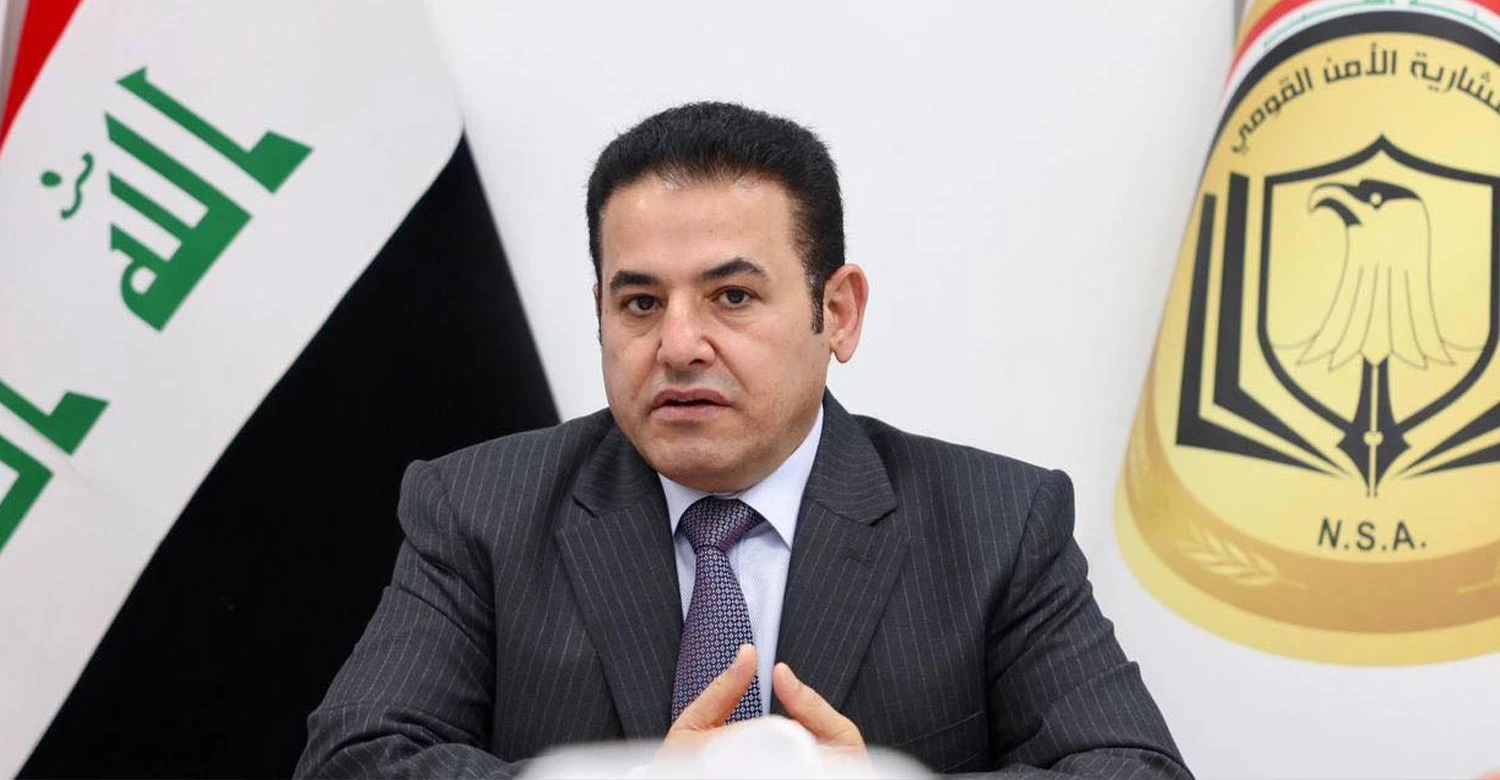
Qasim al-Araji, an adviser to Iraqi Prime Minister Ali al-Zaidi, recently refuted claims suggesting that a deadline has been established for the committee assigned to consolidate weapon control in Iraq. He emphasized that the reports circulating on social media regarding a definitive timeline for the committee’s operations are “entirely inaccurate.”
Clarifying the Committee’s Role
Al-Araji stated that there is no specific period set for the committee’s work. This committee, organized by the Coordination Framework, is responsible for overseeing the process under the direct guidance of the prime minister. Its mission is crucial in ensuring that all weapons are consolidated under state authority. Once fully operational, the committee will implement procedures to handle individuals found in possession of arms illegally. Al-Araji warned that such individuals would face strict legal action, labeling them as potential terrorists.
Importance of Transparency
A U.S. official highlighted the significance of transparency between Baghdad, the United States, and regional partners in any disarmament endeavors. The official’s remarks underscore the necessity for cooperation and mutual understanding to effectively disarm Iraq’s armed factions and facilitate their weapon transfers to the central government. This cooperation is vital to ensuring the stability of the region and supporting Iraq in regaining control over its armed forces.
Calls for Nationwide Legislation
In the backdrop of these developments, Iraqi armed factions have voiced their demand for comprehensive legislation governing weapons outside of state control. They argue that any regulatory measures should apply uniformly across Iraq rather than being limited to specific groups, such as Shiite factions. This call for legislation highlights the complexities within Iraq’s security landscape and the need for an equitable approach to disarmament.
The Path Ahead
The ongoing discussion of weapon control is crucial as Iraq navigates its post-conflict landscape. The successful consolidation of arms under state control will not only bolster the government’s authority but also contribute to long-term stability in a region that has experienced significant turmoil. As these dialogues continue, the commitment from both the Iraqi factions and international allies like the U.S. will play a pivotal role in shaping the future of Iraq’s security policies.