
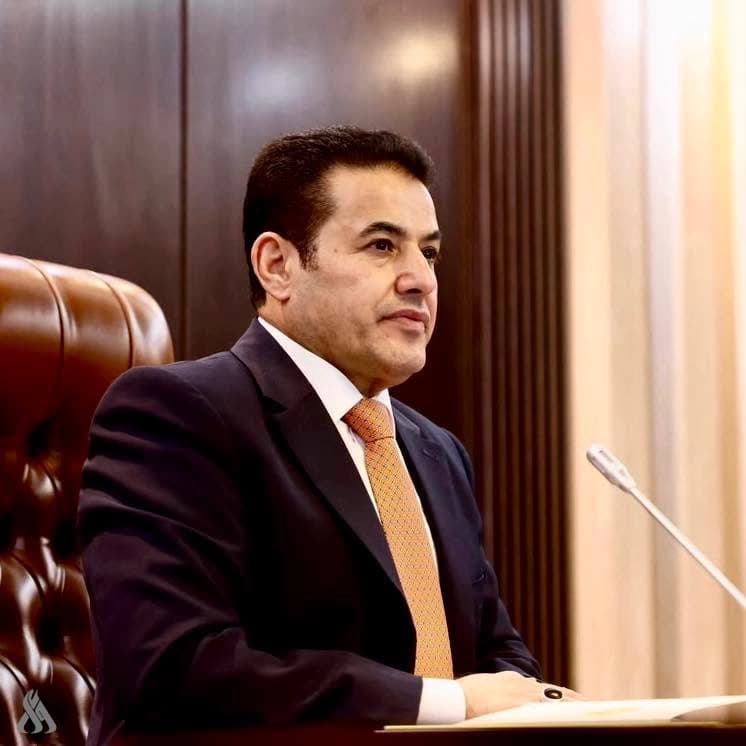
Qasim al-Araji, the security advisor to the Iraqi prime minister, recently addressed the ongoing discussions regarding the control of weapons in Iraq. He revealed that no specific timeline has been established for consolidating all weapons under state authority. While talks are ongoing with various armed groups, al-Araji emphasizes a positive environment for dialogue and refutes speculation concerning potential US sanctions on Iraq.
No Set Deadline for Arms Control
During an interview with Rudaw, al-Araji stated, “There is no deadline for bringing weapons under state control.” This statement highlights the government’s cautious approach, focusing on open dialogue with various factions rather than imposing immediate restrictions. The security advisor further reassured that conversations with armed groups are progressing well, contributing to a constructive atmosphere for negotiations.
When questioned about whether this process would conclude before September 30, al-Araji acknowledged that “the process needs time.” This timeframe is particularly significant, as it coincides with the deadline set by Baghdad and Washington for the withdrawal of US-led coalition forces from Iraq. While the committee formed under the Coordination Framework is actively engaging in this matter, al-Araji clarified that its efforts are being closely supervised by the Iraqi prime minister.
Coordination Framework and Its Role
The Coordination Framework, a coalition of various Shiite political parties, plays a pivotal role in this initiative. Al-Araji reiterated that discussions surrounding weapon control are being handled seriously and strategically. However, he dismissed any assertions that US sanctions could be imposed should armed groups refuse to surrender their weapons, describing such claims as “incorrect.” This reassurance aims to stabilize the currently charged atmosphere surrounding Iraq’s security situation.
Al-Araji did note that as soon as the committee finalizes its work and fully implements state control over weapons, individuals who persist in possessing illegal arms will face severe consequences. “Those who carry weapons illegally will be treated under the law as outlaws,” he warned, emphasizing a strict legal framework to manage the situation effectively.
The Ongoing Challenge of Disarmament
Several armed factions have expressed their willingness to comply with disarmament as part of the government’s initiative. However, notable groups like Kataib Sayyid al-Shuhada and Kataib Hezbollah have resisted calls for disarmament, complicating the overall disarmament strategy. This division poses a significant challenge for the Iraqi government, which is trying to establish a monopoly on the means of violence as stipulated in Prime Minister Ali al-Zaidi’s government program.
The dual deadlines regarding the disarmament of armed groups and the withdrawal of foreign forces create a complex landscape in which the Iraqi government must navigate. Al-Araji has emphasized that while the withdrawal of foreign troops does not inherently indicate a deadline for disarming armed factions, establishing state control over weapons remains a fundamental goal. These multifaceted discussions highlight the delicate balance the Iraqi government seeks to achieve in maintaining internal security while simultaneously managing its relationships with both local factions and international partners.
In summary, the path to weapon control in Iraq is intricate and fraught with challenges, requiring time, patience, and constructive dialogue among various stakeholders.