
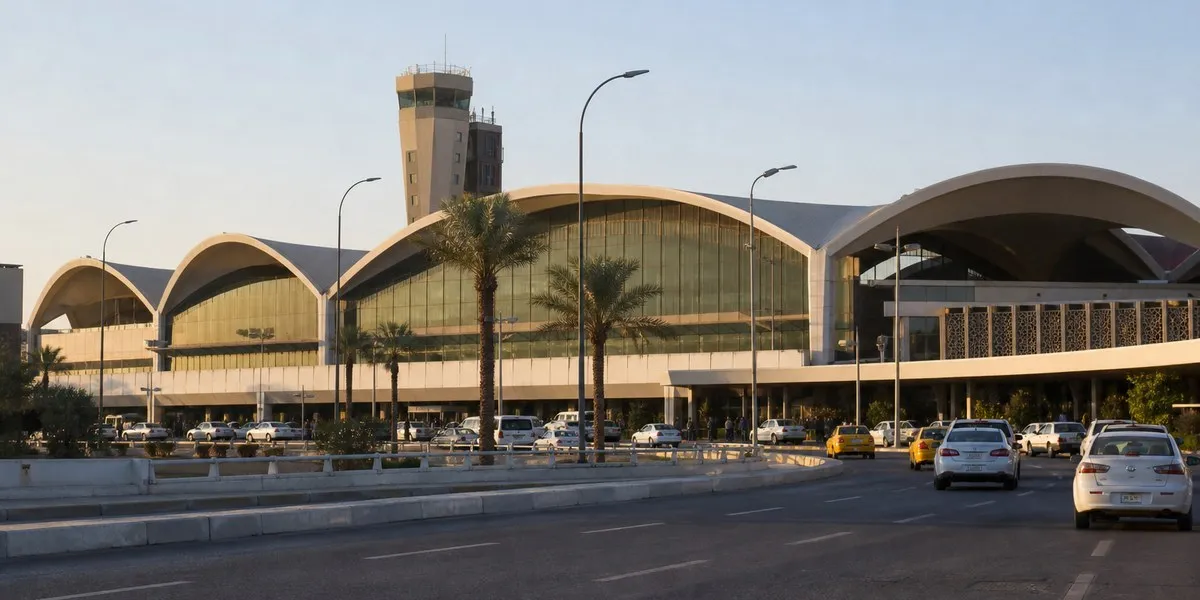
Iraq has made a significant move by reopening sections of its airspace to civilian flights, which had previously been reserved for military operations against the Islamic State group for nearly a decade. This development marks a pivotal shift in the country’s aviation landscape, promising to invigorate both regional and international air travel.
Return of Airspace to Civilian Use
The Iraqi airport management agency has officially declared that portions of airspace initially designated for military use have been repurposed for commercial flights. These areas span western Iraq, from the northern segments of Nineveh province down to the southern deserts of Anbar province. Up until recently, these zones were primarily utilized for operations by the international coalition engaged in combat against the Islamic State as well as missions conducted by the Iraqi Air Force. The process of closing these zones began in late 2016, and their reallocation for civilian use opens new avenues for travel and commerce.
Ihab Karim, the director of the airport management authority, noted that this transformation has been handed over to the General Company for Airports and Air Navigation Management. This transition allows for the updating of Iraq’s aeronautical information, which is essential for international airlines operating in the region. Such updates will foster better communication and navigation between foreign carriers and the Iraqi aviation system.
Opportunities for New Routes
With the repurposed airspace, potential for new flight routes is greater than ever. Ihab Karim emphasized that this change will enhance the organization of air traffic and boost financial income from airport operations. Iraqi airports are now prepared to handle increased traffic from both domestic and international airlines as these new routes become available. The adjustment aims to streamline air travel, making it more efficient for travelers and economically viable for airlines.
Moreover, the Office of the Commander-in-Chief of the Armed Forces declared its commitment to support aviation infrastructure as the restricted zones are phased out. Authorities project that this decision will not only facilitate smoother air traffic management but also stimulate the economy through increased state revenue generated from transit fees.
Economic Impact and European Concerns
Economic analyst Ziyad al-Hashimi views this decision as a landmark change for Iraq’s aviation sector. He believes that new pathways could lead to shorter flight durations and lower costs for airlines traversing Iraqi airspace, particularly those from Europe and Asia. However, he cautioned that European airlines remain under a warning concerning travel through Iraqi airspace, a notice expected to be in effect until the end of September.
Following that period, Iraqi authorities will need to engage with the European Union Aviation Safety Agency to reassure them regarding the safety of routes within Iraqi airspace. This step is crucial for reinstating acceptable flight conditions, which would allow European carriers to return to Iraqi skies confidently.
Through this calculated strategic shift, Iraq aims to reestablish itself as a key hub for air travel in the Middle East. The successful implementation of these changes will not only benefit local and international airlines but also the broader Iraqi economy.