
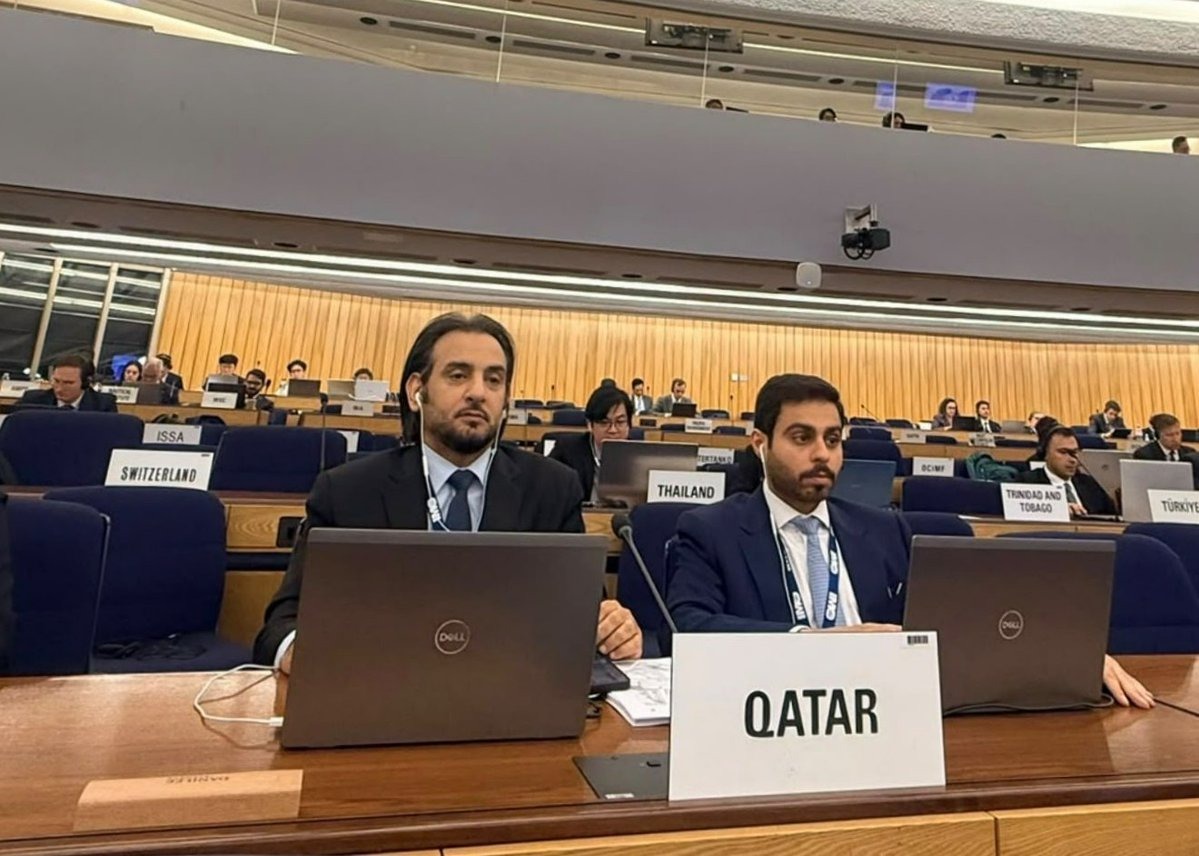
Qatar recently participated in an important meeting organized by the International Maritime Organization (IMO) to enhance maritime safety standards. This gathering focused on critical issues related to cargo and container transport, emphasizing the need for updated guidelines to accommodate the maritime industry’s evolving landscape.
International Maritime Safety Meeting
The 12th Sub-Committee on Carriage of Cargoes and Containers (CCC 12) took place in London from September 14 to 18. Delegates from various nations convened to tackle pressing topics that affect the future of sea transportation. This type of international collaboration is essential for addressing the challenges posed by new technologies and alternative fuel sources in maritime operations.
Key Discussions on Alternative Fuels and Technologies
During the meeting, participants engaged in discussions regarding the requirements for vessels that utilize alternative fuels. With the maritime industry increasingly leaning towards sustainability, the conference explored the implications of using methanol and ethanol as viable marine fuels. Efforts also included examining the management of low-flashpoint oil fuels and developing systems for carbon capture and storage. These advancements not only aim to improve environmental outcomes but also enhance the overall safety and operational efficiency of shipping methods.
Qatar’s Commitment to Maritime Safety and Innovation
Qatar’s involvement in this crucial dialogue underscores its commitment to bolstering international maritime safety and adapting to technological innovations. By contributing to these discussions, Qatar aims to assist in formulating regulations that reflect the changing dynamics of global shipping. Emphasizing the importance of safe and efficient maritime transport, the nation continues to advocate for policies that align with the growing demand for alternative fuels in the industry.
Promoting Global Best Practices in Shipping
The IMO meeting served as a platform for sharing best practices and reinforcing global standards. With maritime transport being a key driver of international trade, enhancing safety protocols and regulatory frameworks is critical. The ongoing shifts in fuel types and technologies necessitate a proactive approach to ensure that maritime operations are not only effective but also environmentally responsible. This cooperative strategy aims to build a resilient shipping sector that can adapt to future challenges while adhering to international safety standards.
In conclusion, Qatar’s participation in the IMO’s CCC 12 meeting highlights its dedication to improving maritime safety and efficiency amidst evolving technological advances. By promoting international collaboration and adapting to the needs of a greener shipping industry, Qatar is playing a vital role in shaping the future of maritime transport. The insights gained from such discussions will pave the way for sustainable practices that benefit both the industry and the environment.