
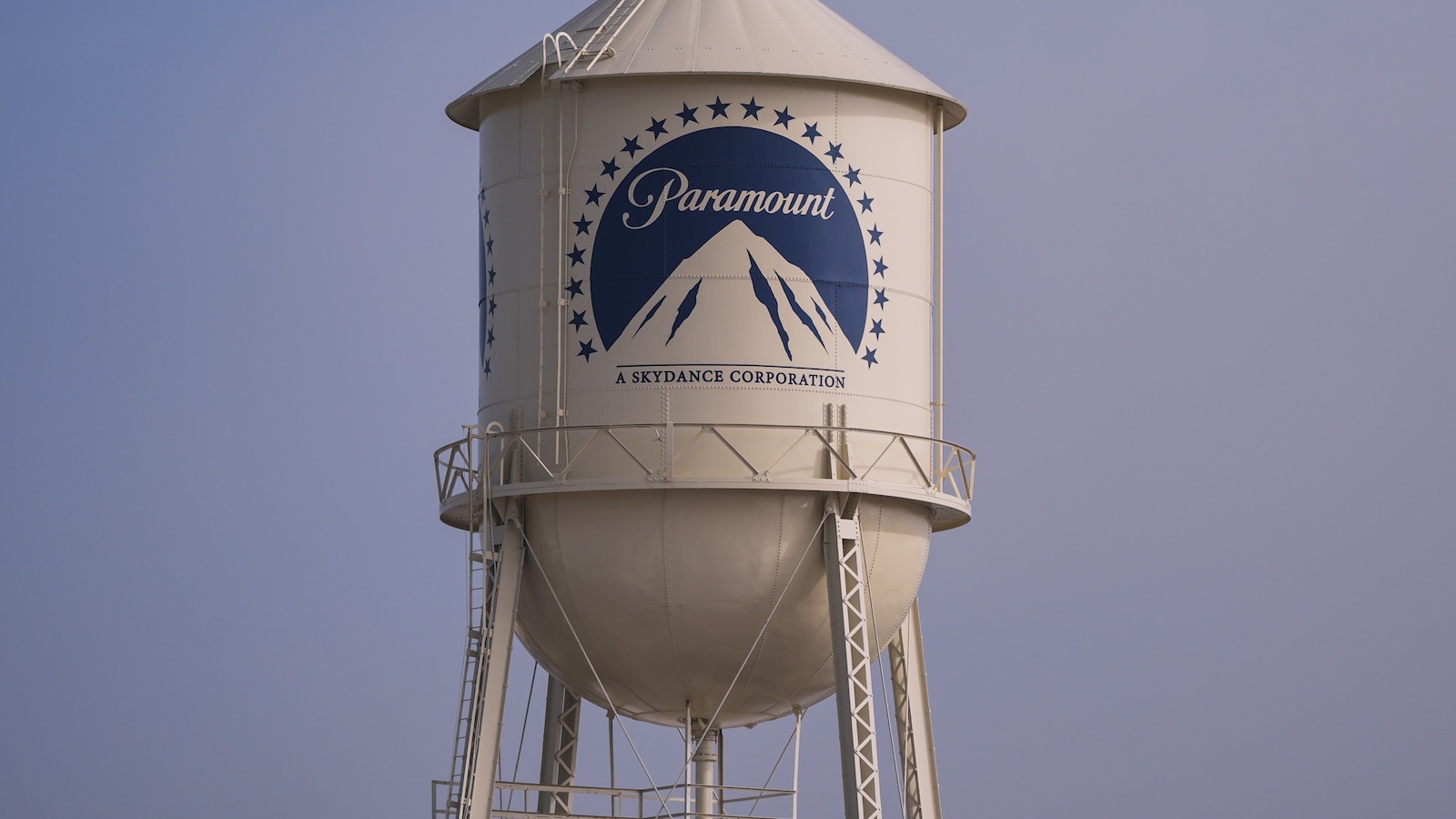
Paramount’s Ambitious Merger Plans With Gulf Funding
Paramount is making significant strides in its efforts to merge with Warner Bros. Discovery, fueled by an impressive financial backing worth billions from three Gulf nations. The U.S. Federal Communications Commission (FCC) recently granted approval for these foreign investors to take indirect equity stakes in the impending merger, outlining significant implications for the media landscape.
FCC Approval and Foreign Investments
On Thursday, the FCC approved requests from sovereign wealth funds in Saudi Arabia, Qatar, and the United Arab Emirates, allowing them to hold indirect stakes in the proposed Paramount-Warner union. However, these foreign funds will not possess any voting rights in the merged company. Paramount, currently owned by Skydance, is in the midst of an $81 billion merger, which is currently stalled due to ongoing antitrust legal challenges involving multiple states and industry groups. The company has reassured stakeholders that the majority ownership will remain with CEO David Ellison’s family and RedBird Capital, promising that the combined entity will be better positioned for global competition.
Concerns Over Influence and Governance
Despite the optimistic outlook from Paramount, critics argue that the unprecedented level of financial investment from foreign governments raises red flags. This situation could potentially allow for underlying influence in crucial areas, including news operations tied to networks like CBS and CNN. The FCC’s jurisdiction over Paramount, which controls numerous broadcast TV stations across the United States, makes the implications of this funding particularly sensitive. The combined investment from the Gulf nations is reportedly around $24 billion, earmarked to facilitate the merger, giving them almost 50% of the equity interests once the deal goes through.
Public Interest vs. Control
David Brown, the head of the FCC’s Media Bureau, stated that the additional capital would bolster the broadcast industry, declaring it as being “in the public interest.” He emphasized that the foreign investors would have no governance capabilities or control over decision-making processes regarding Paramount’s broadcast stations. However, critics, including Democratic FCC Commissioner Anna Gomez, contend that such significant investments could distort journalistic integrity and promote foreign influence, particularly in light of the negative records of these governments on suppressing free speech.
Gomez has called attention to the implications of such cash flows, particularly noting the connections to Saudi Arabia’s Public Investment Fund. Historical incidences, such as the orchestrated murder of journalist Jamal Khashoggi, have raised alarms around potential ramifications of allowing foreign powers to engage in U.S. media landscapes.
Uncertainties and Future Implications
Lawmakers and regulatory bodies are currently scrutinizing the depth of foreign involvement in American media. Although FCC chairman Brendan Carr initially appeared supportive of the merger, the ongoing legal battles with different states, which argue that the merger poses a threat to competition and consumer choice in Hollywood, might impede progress. The Writers Guild of America has also expressed concerns, joining the states in a legal challenge against the merger.
Ultimately, as the legal complications unfold, Paramount has agreed to delay any merger activities until these cases are resolved. This decision reflects a cautious approach, particularly as the potential for operational disruptions and rising costs loom large. The merger’s fate remains uncertain, as it navigates through political scrutiny, public opinion, and legal challenges ahead.