
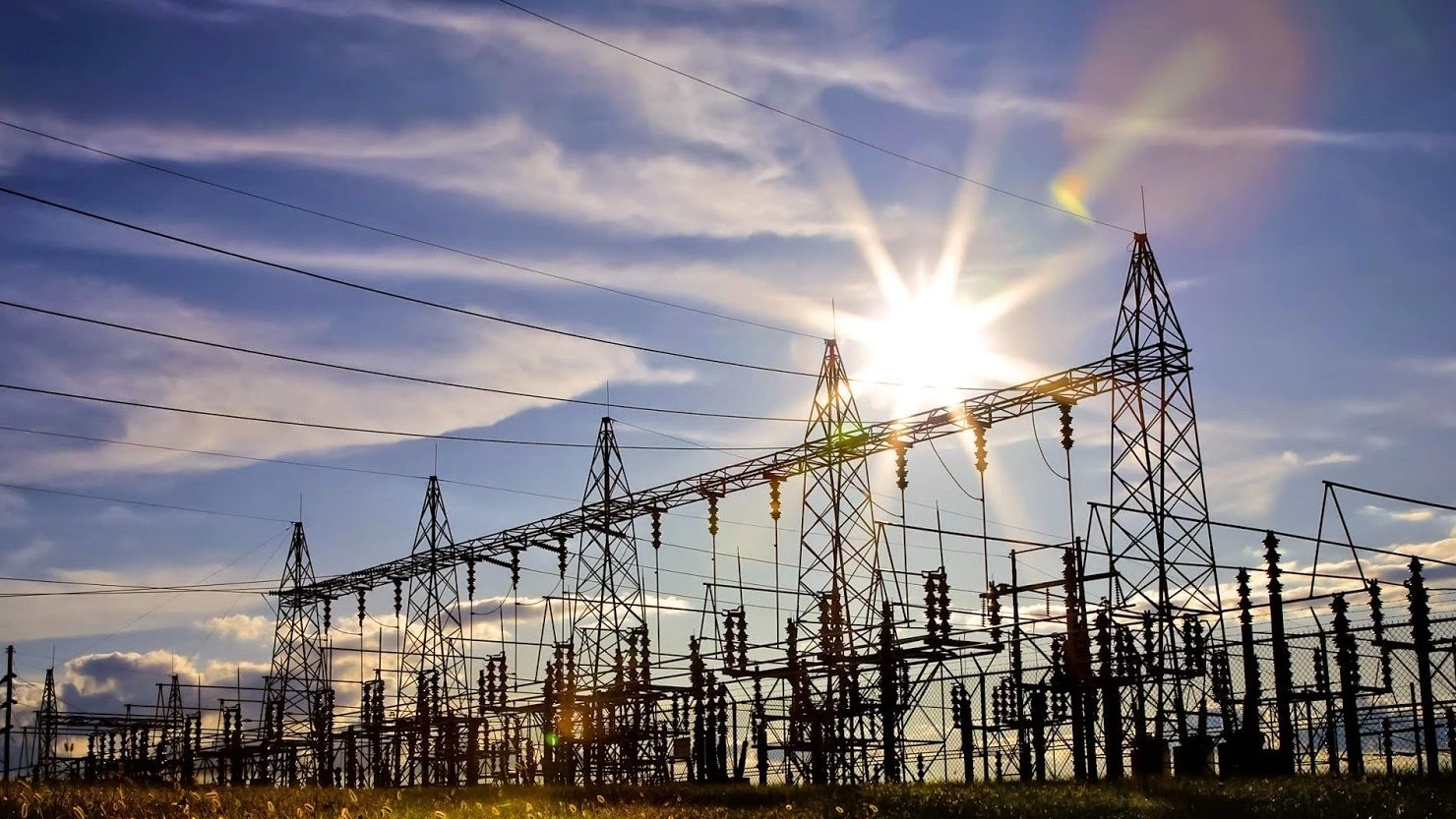
An important development regarding Iraq’s security and energy infrastructure has recently come to light. A transmission line connecting Haditha and Baiji faced disruption after a tower was reportedly destroyed. This incident occurred shortly after Iraqi security forces successfully thwarted an attempt by ISIS militants to target another nearby power tower.
Details of the Incident
According to Saad Ghazi al-Mohammadi, the head of the Al-Anbar Provincial Council’s security committee, the attack on the transmission line represents a distinct threat to the region’s electricity supply. Fortunately, No casualties or significant property damage were reported following these events. Just hours prior, Iraqi forces prevented an imminent attack on a separate power tower, highlighting their effectiveness in securing vital infrastructure against terrorist actions.
Background on the Area
The corridor between Baiji and Haditha has been a hotspot for assaults targeting electricity infrastructure in the past. Iraqi authorities are on high alert, particularly in regions where ISIS cells remain active. These areas include desert and rural sections of Saladin and Al-Anbar provinces. The ongoing threat from ISIS has prompted local officials to strengthen security measures to safeguard critical resources, including electricity supply systems.
Ongoing Security Measures
In light of these recent attacks and ongoing threats, the Iraqi government has instituted additional security protocols aimed at protecting power transmission infrastructure. This includes enhanced surveillance and rapid response capacities to counter any future attempts against energy facilities. The importance of a stable electricity supply cannot be overstated, as it impacts various sectors, including healthcare, education, and daily life for residents.
Implications for Iraq’s Energy Security
The challenges faced by Iraq’s electricity infrastructure underscore the persistent risk posed by militant groups in the area. As authorities continue to work on fortifying security measures, ongoing monitoring and updates on the situation will be essential. The resilience of the Iraqi power grid is crucial not only for the affected regions but also for national stability as a whole.
Communicating incidents like these effectively can play a significant role in keeping the public informed and engaged regarding security issues that may affect their daily lives. The commitment of Iraqi forces to protect infrastructure demonstrates a proactive approach to dealing with threats. Consequently, it is vital for both local and national authorities to ensure that energy security remains a priority amid these ongoing challenges.